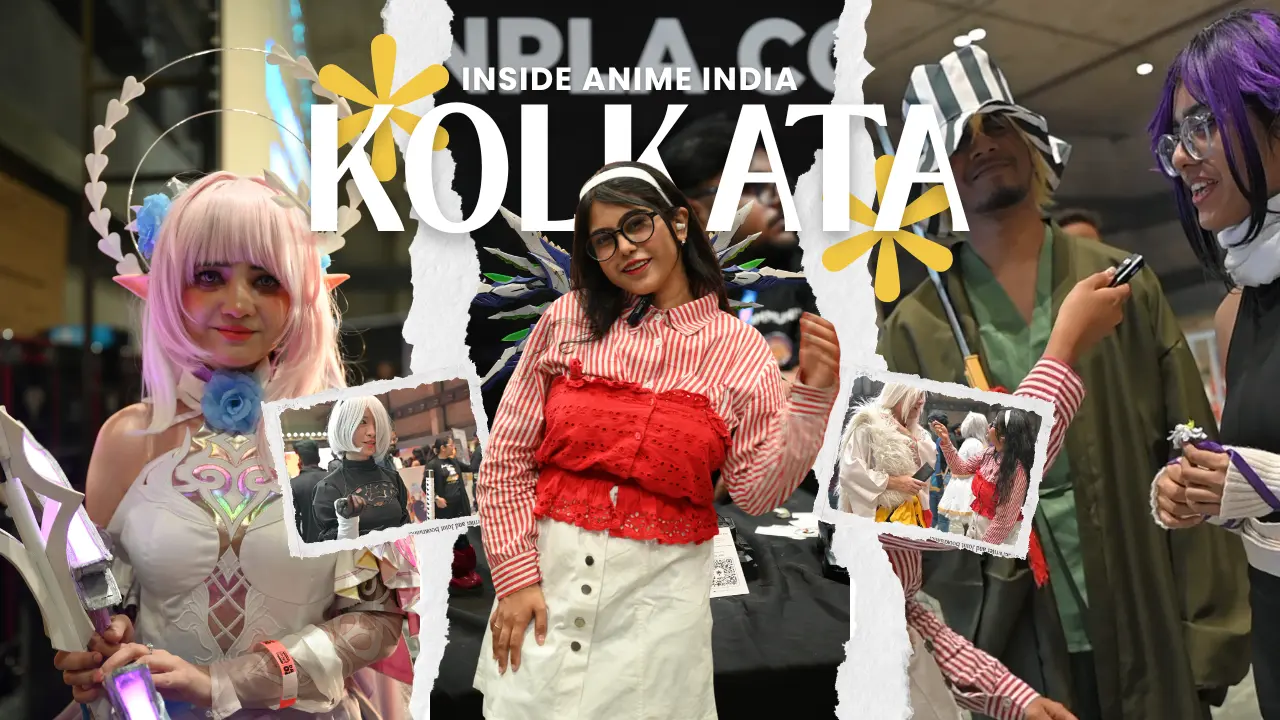
Inside Anime India Kolkata: Craft, Culture, and the Rise of Indian Cosplay

By 11:30 a.m., the line had already bent around the barricades.
Wigs caught the sunlight first. Synthetic silver, cotton-candy pink, obsidian black, shifting in the Kolkata humidity. A passing auto slowed down. A tea seller paused mid-pour. Somewhere behind us, someone adjusted a foam sword with the seriousness of a surgeon.
Anime India Kolkata did not begin inside the venue.
It began on the pavement.
The first character we spotted wasn’t a headliner. Not a trending shonen protagonist. It was a deep-cut manga reference – a character that only someone who had read beyond the mainstream would recognize. That was the first signal.
This wasn’t just cosplay.
This was research. Devotion. Construction.
The air carried equal parts sweat, perfume, and aerosol hairspray. Students compared prop techniques. Friends debated whether the wig lace was visible. A mother adjusted her daughter’s obi knot with quiet pride.
And in that moment, before the gates even opened, something became clear:
Kolkata wasn’t just attending anime culture.
It was interpreting it.
And interpretation deserves documentation.
For six years, Indian Anime Network had lived online – tracing rare manga panels, dissecting overlooked story arcs, writing for the fans who read beyond the obvious. But this evolution could not be observed from a screen.
So this year, we stepped onto the floor.
Four of us.
A host, a lead writer, a director, and a cameraman who refused to blink.
Inside Biswa Bangla Mela Prangan, we weren’t there to simply photograph costumes. We were there to understand them. To ask why that character. Why that stitch? Why that risk?
From startlingly accurate recreations to shy first-time cosplayers, from spontaneous interviews to regional reinterpretations, what unfolded over two days was more than spectacle.
It was a cultural shift.
This is our record of it.
Spotlight: The Most Accurate (and Quietly Devoted) Cosplayers
Spotlight: Light, Precision, and the Discipline of Detail
(Bella Bunnygirl as Cyrene — Honkai: Star Rail)
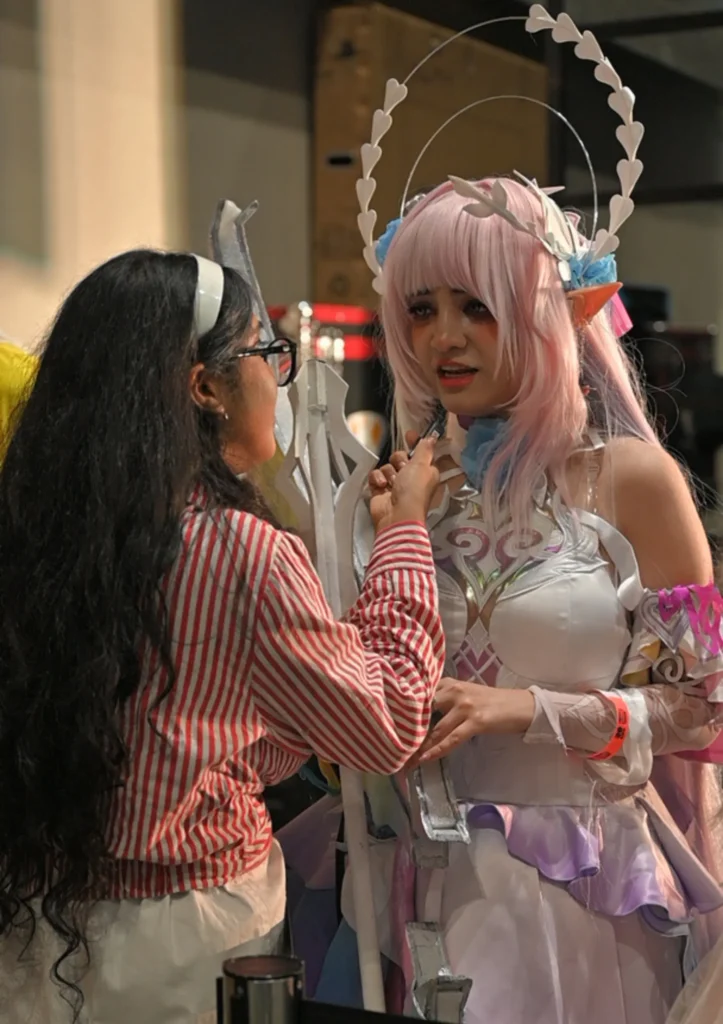
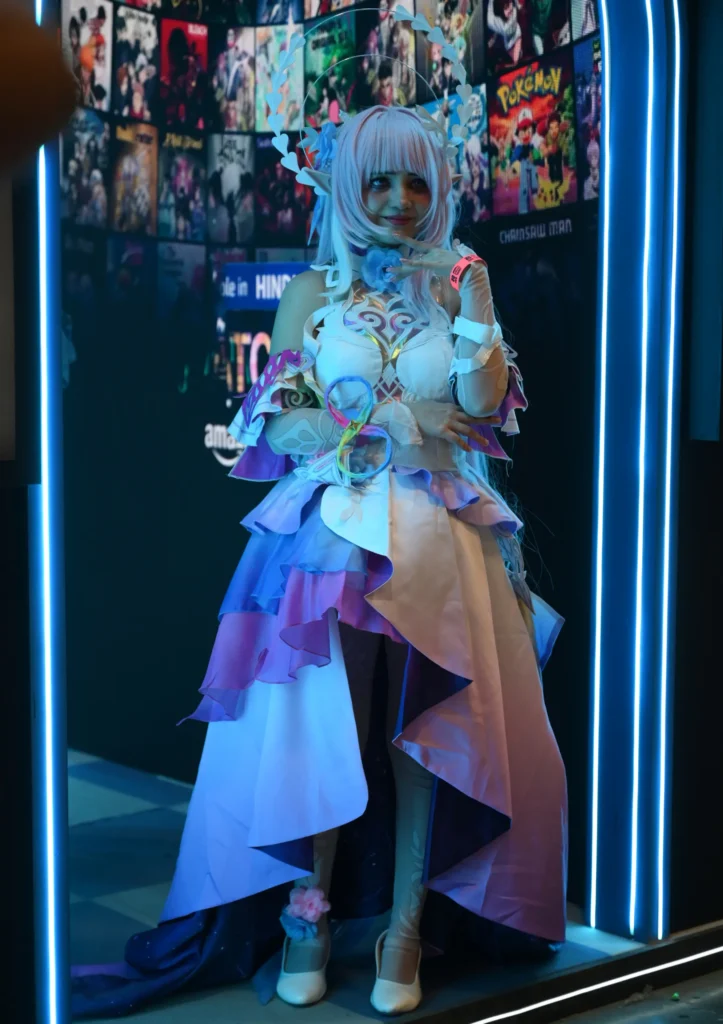
Under the neon frame of the venue installation, Cyrene didn’t glow; she refracted.
Soft pink hair fell in deliberate layers, framing a face composed not for spectacle but for stillness. The twin halo arcs, delicately hearted at their edges, hovered with structural balance not oversized, not exaggerated. Even the gradient in the layered skirt shifted like watercolor under light, moving from lavender to blush to winter-white without breaking the silhouette.
Up close, the discipline became clearer.
The chest detailing mirrored the game’s ornamental geometry rather than simplifying it. The iridescent panel caught the light exactly as it does on-screen. The prop, angular, luminous, carefully finished, was not foam-painted in haste. It was measured. Considered.
During the interview, there was a moment of visible nerves, the kind that comes not from inexperience, but from wanting to do justice to a character that means something.
That tension is often invisible in photographs.
But it matters.
Cosplay at this level is not about volume. It is about fidelity. And fidelity, here, was worn with quiet seriousness.
Across two days of coverage, this was one of the clearest examples of devotion translated into fabric.
Spotlight: The Judge Who Became the Canvas
(Pracheta Banerjee — based on art by kawaiiiscurse)
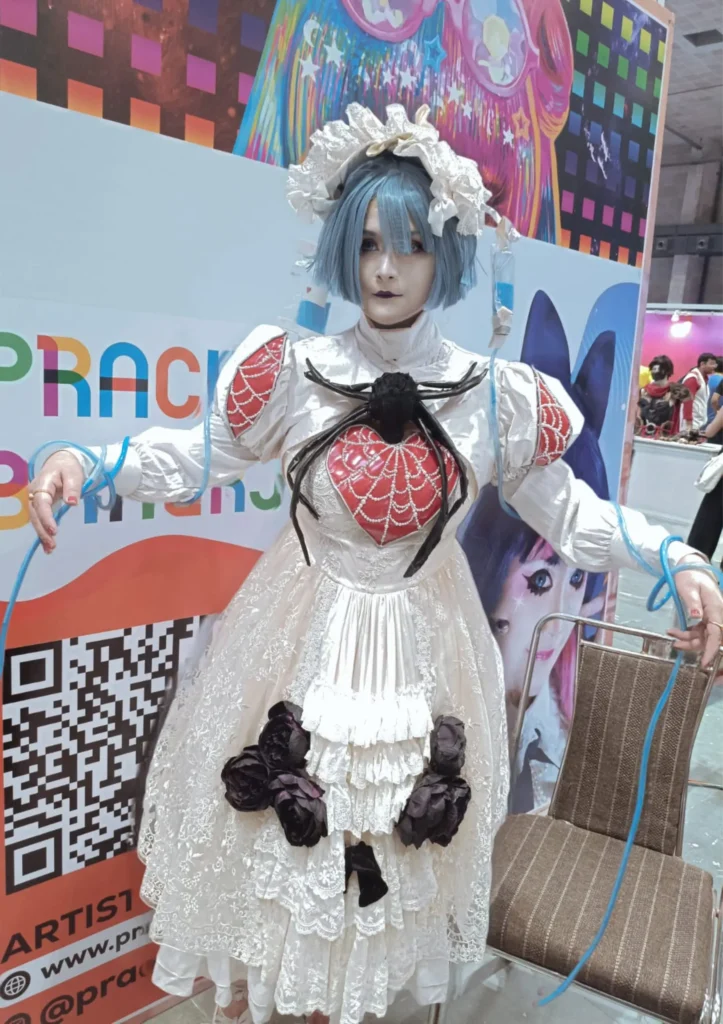
Not all authority stands behind a clipboard.
Some of it arrives in lace.
As a judge at the Anime India cosplay competition, Pracheta Banerjee could have chosen something elegant, composed, and unobtrusive. Instead, she chose transformation.
A porcelain silhouette in layered ivory, edged with lace and shadow. The red webbed heart sat at the center of the bodice like a deliberate provocation, anchored by the sculpted black spider that seemed less accessory and more present. The detailing was not accidental. The beadwork traced spiderweb geometry across structured panels. The oversized black florals at the hem grounded the sweetness of the dress with something heavier, darker.
And then there were the cords, blue, deliberate, almost invasive, winding around her arms like a visual tension between fragility and control.
Up close, the makeup sharpened the mood further. A cool-toned base, precise lip color, a stillness in the eyes that refused theatrical exaggeration. This was not costume chaos. It was an aesthetic discipline.
Based on an artwork by kawaiiiscurse, the cosplay did not simply replicate the illustration. It translated it from flat composition to dimensional presence.
In a space full of characters from established franchises, this stood apart.
It reminded the room that cosplay is not only about adaptation from screen to fabric. Sometimes, it is about elevating independent art into embodied form.
And when the judge stepped onto the floor, she did not just evaluate craftsmanship.
She demonstrated it.
Spotlight: Stillness as Precision
(Frieren — Frieren: Beyond Journey’s End)
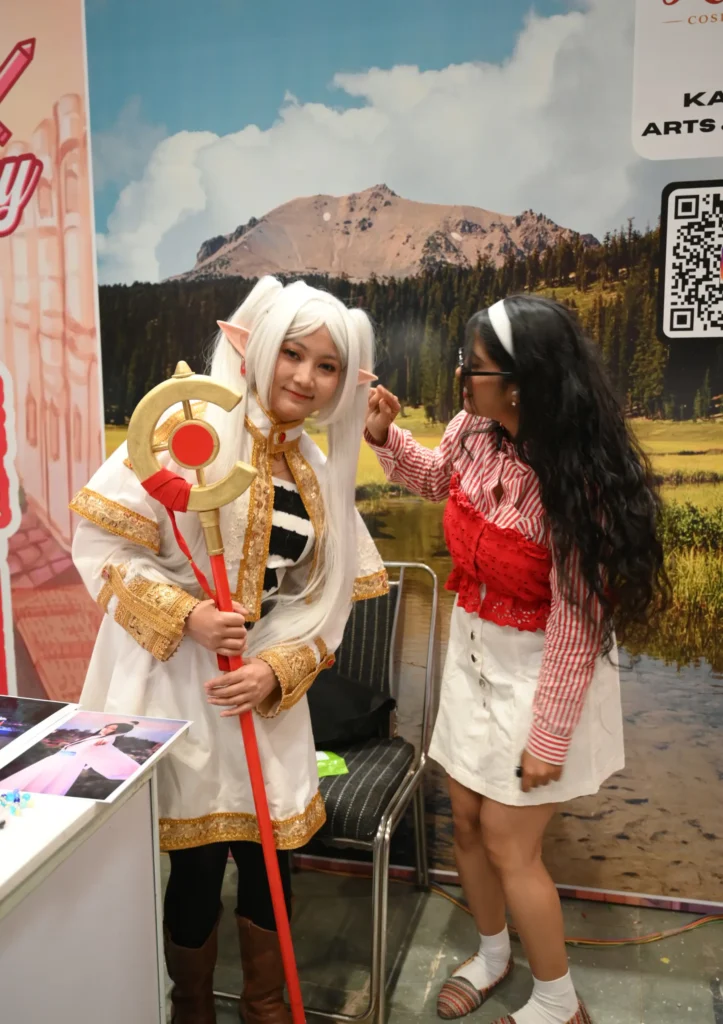
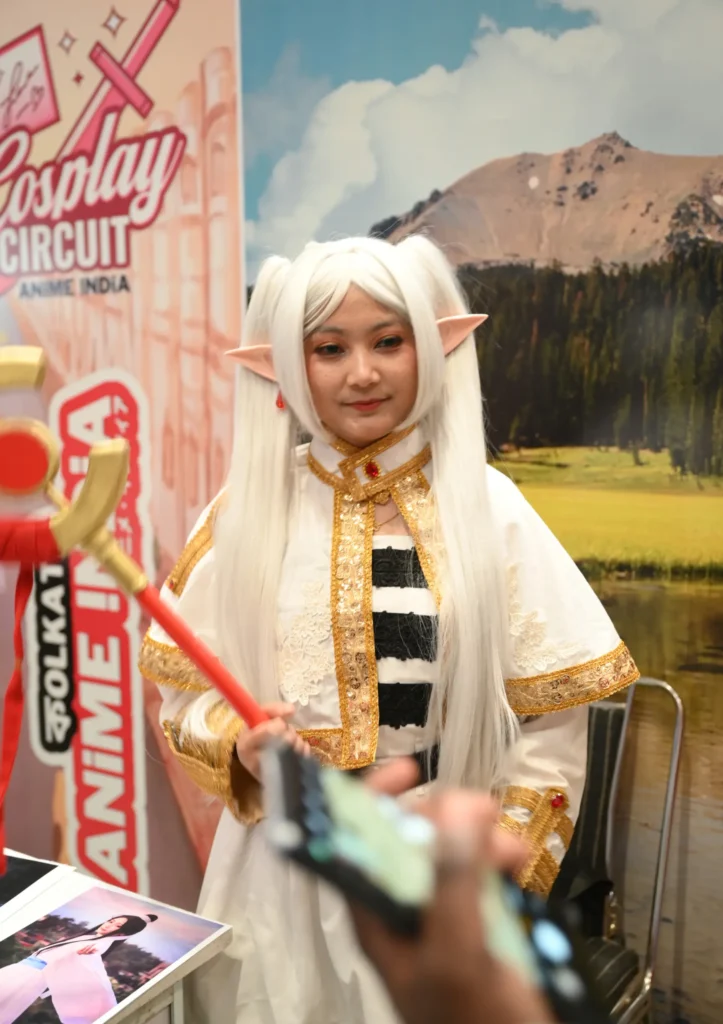
Not all accuracy announces itself.
Some of it stands quietly, staff grounded, gaze steady.
Frieren is not a character built on spectacle. She is built on time, on centuries lived, emotions processed slowly, grief carried without theatrics. Translating that into cosplay requires something subtler than fabric matching. It requires restraint.
The long white wig fell in clean, deliberate lines, parted evenly, without exaggerated volume. The elf ears were scaled correctly, not oversized for effect, not minimized for convenience. The gold trim along the robe maintained symmetry rather than shimmer. Even the staff circular, balanced, proportionate, echoed the anime’s design without drifting into oversized convention drama.
Up close, the details held.
The embroidery was careful rather than decorative. The color palette remained faithful to Frieren’s muted authority. There was no unnecessary embellishment added for attention.
And that is precisely what made it effective.
In a convention environment where movement and noise often dominate, this portrayal relied on stillness.
Accuracy, here, was not loud.
It was disciplined.
Across two days of coverage, this stood out as one of the clearest examples of devotion expressed through control rather than excess.
And in a character defined by longevity, that patience felt appropriate.
Spotlight: Devotion, Rewired
(Arya as a Tech Priest — Warhammer 40,000)
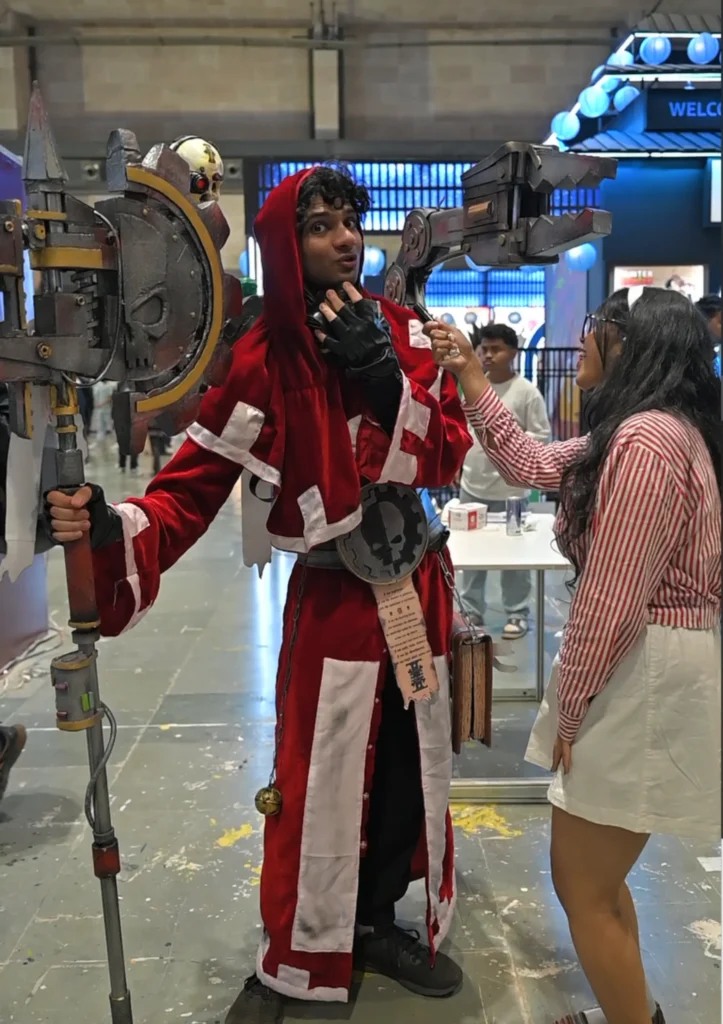
Not everything on the convention floor was pastel.
Some of it hummed.
The red robe cut a stark silhouette against the venue lights, monastic in structure, industrial in implication. The hood shadowed the face, broken only by the mechanical mask that replaced breath with machinery. From the back extended layered apparatus: cables, servo-arms, and metallic framing that did not merely decorate but altered posture.
This was not a costume worn lightly.
It carried weight, literal and visual.
Up close, the craftsmanship revealed itself in restraint. The metallic weathering was textured, not sprayed flat. The mechanical arm joints had articulation rather than static posing. The belt insignia held symbolic precision instead of generic sci-fi ornamentation. Even the prop weapon bore script detailing, printed and aged to suggest narrative history.
During our interview, one thing became clear: this was not a crossover choice made casually.
Warhammer 40K does not belong to mainstream anime fandom. It belongs to a darker, lore-dense universe built on doctrine and machinery. Bringing it here required both confidence and context.
That confidence showed.
In a space filled with bright heroes and romantic leads, the Tech Priest stood as something else entirely – austere, doctrinal, uncompromising.
A reminder that fandom is not one culture.
It is many – sometimes intersecting, sometimes colliding.
And this one arrived wired for both.
Spotlight: The Ghost King Under a Red Sky
(Aparna Chaurasia as Hua Cheng — Heaven Official’s Blessing)
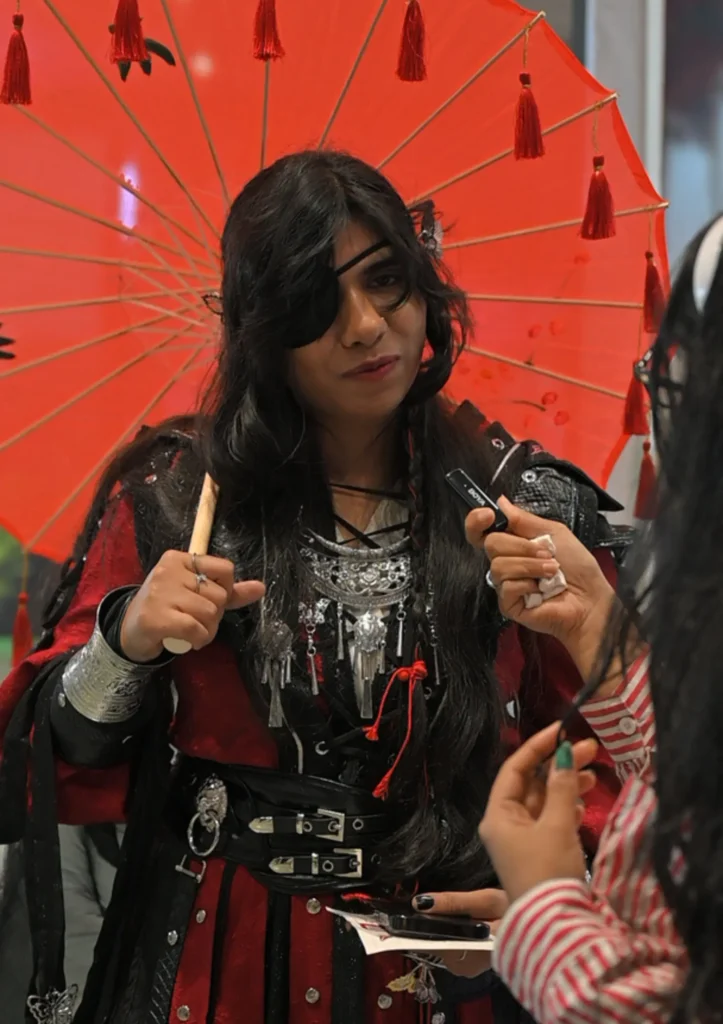
Red dominated before anything else.
The parasol opened behind her like a rising sun, tassels hanging in quiet symmetry, casting warmth against the otherwise shadowed costume. Hua Cheng is not a character of softness. He is devotion sharpened into danger. And here, that duality held.
The eyepatch cut across the face with deliberate asymmetry. Silver ornaments layered across the chest caught light without overpowering the deep crimson and black palette. The belt hardware, the metalwork, the subtle embroidery near the hem, none of it leaned theatrical. It leaned intentionally.
What elevated this portrayal further was context.
Aparna Chaurasia is not only a cosplayer. She is an Indian manga artist, the creator of Soul Contract. That creative authorship added a different dimension to the portrayal. This was not simply a fan embodying a character. It was a storyteller stepping into another storyteller’s universe.
During the interview, her tone was steady. Analytical. Aware of the character’s emotional gravity rather than just aesthetic appeal.
Hua Cheng is often performed dramatically. Here, he was grounded, intense, but controlled.
Across the weekend, many cosplayers recreated worlds they love.
This one felt like a quiet conversation between worlds.
And under the red arc of that parasol, the Ghost King did not dominate the floor.
He anchored it.
When Anime Spoke Bengali
It was not an unofficial trend.
It was a category.
At Anime India Kolkata, the Bong Cosplay segment invited participants to do something more complex than accuracy. They were asked to adapt. To translate. To allow Bengal to enter the frame without erasing the character they began with.
What emerged was not parody.
It was a negotiation.
Interpretation Profile: Ritual, Rewritten
(Surya as Final Form Kibutsuji Muzan — Bong Interpretation)
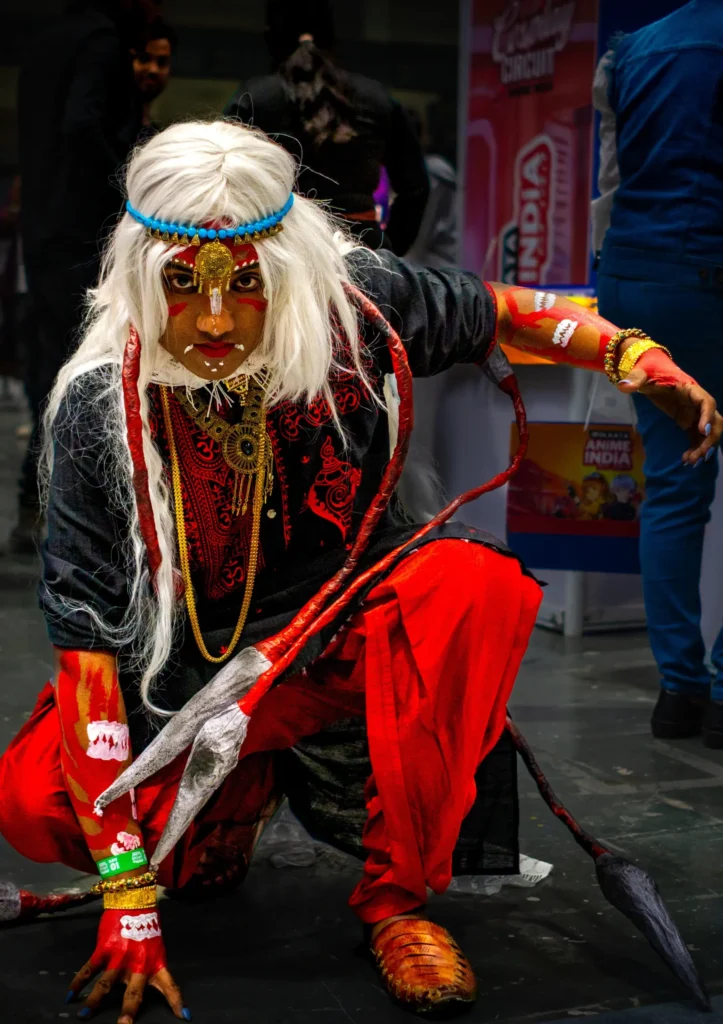
If the Bong Cosplay segment was about translation, this was about transformation.
Surya’s interpretation of Kibutsuji Muzan’s final form did not rely on silk draping or subtle ornamentation. It leaned into ritual intensity. The red body paint, the white streaks across arms and face, the gold headpiece, these did not simply decorate the character. They invoked something older.
The Bengali inflection came not through fabric alone, but through aesthetic language. The layered necklaces echoed traditional ceremonial adornment. The color palette of red, black, and gold felt less like anime villain design and more like a mythic figure pulled from folk imagination.
Even the posture mattered.
Crouched low, grounded, gaze fixed, the performance shifted from animated antagonist to something ritualistic. Not theatrical in the exaggerated sense, but rooted.
Muzan is often depicted as distant and clinical in his menace. Here, the menace felt embodied almost devotional.
This is what makes regional reinterpretation compelling.
It is not about replacing a character’s origin.
It is about allowing local symbolism to deepen it.
In that moment, under the convention lights, Muzan did not feel imported.
He felt invoked.
Interpretation Profile: Silk, Blood, and Precision
(Srijita Datta as Daki — Demon Slayer)
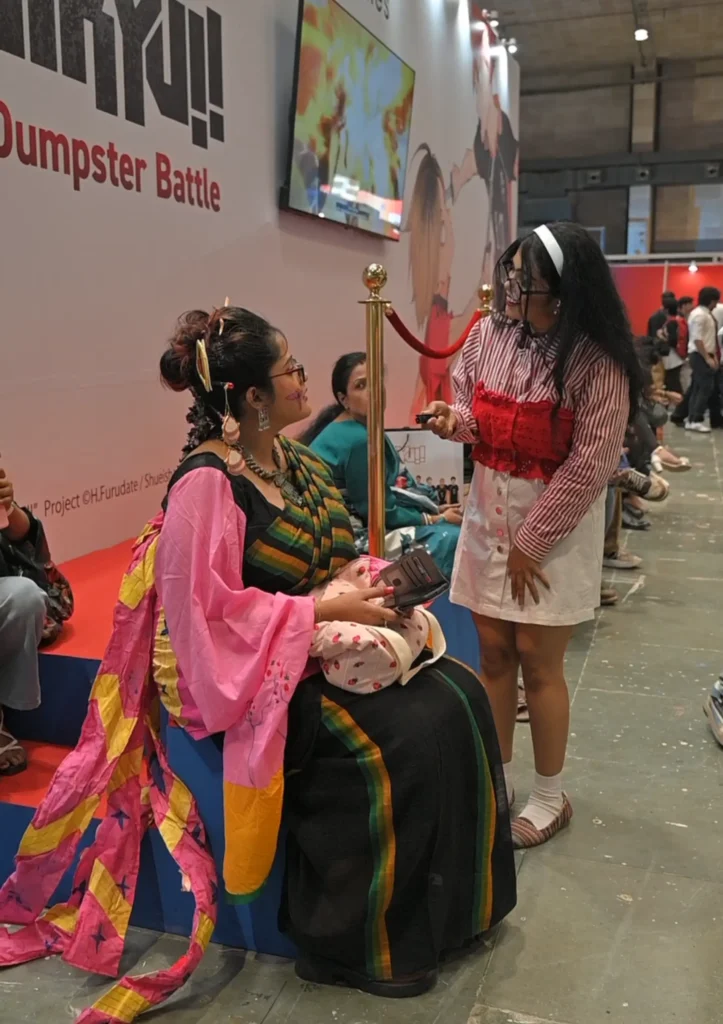
Daki is theatrical by design, with dramatic sashes, controlled menace, and ornamental elegance. Translating her into a Bengali context required restraint rather than exaggeration.
Srijita Datta chose drape over reconstruction.
The multicoloured sari replaced the standard silhouette without dissolving the character’s visual identity. The pleats were deliberate. The pink and green palette retained Daki’s vibrancy, but the fabric’s movement softened the aggression into something culturally grounded. Traditional hairpins anchored the look, turning ornamental detail into a regional signal.
What stood out was not the costume alone.
It was the posture.
Daki is pride and performance. Here, that pride is held but reframed through saree draping and Bengali ornamentation rather than animated sashes.
The character remained intact.
The medium changed.
And that distinction is what made it effective.
Interpretation Profile: Script as Armor
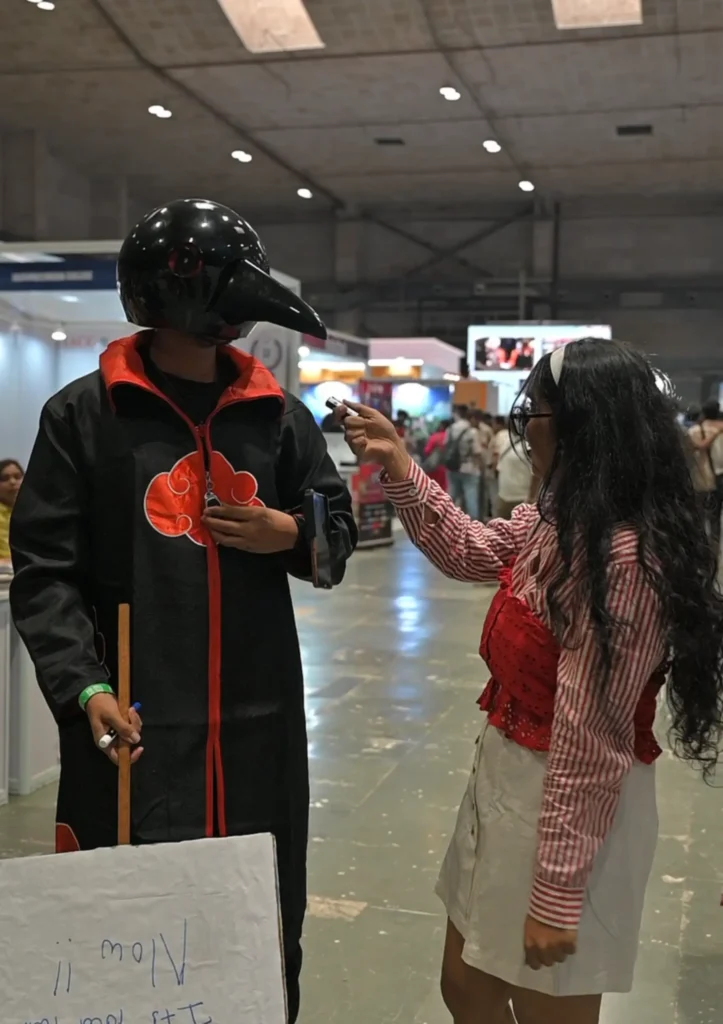
(“Jeet Gorai as Bong Tobi” — inspired by Naruto)
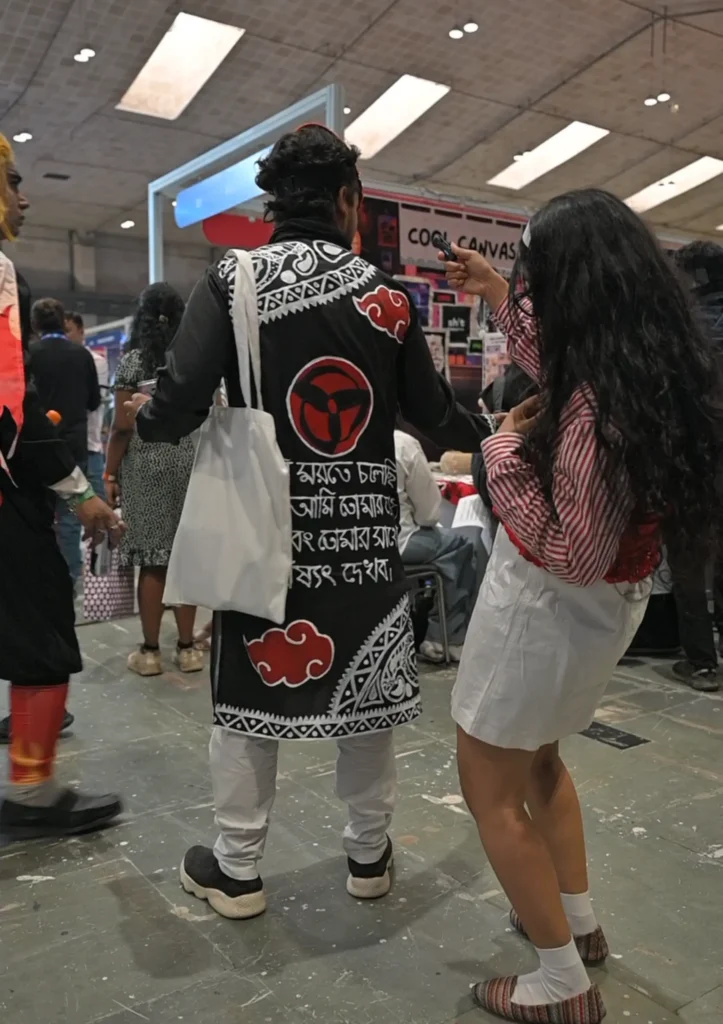
If Daki was translation through textile, Bong Tobi was translation through language.
From the front, the silhouette read familiar: dark cloak, Akatsuki insignia, structured shape. But the back carried the shift. Bengali script replaced generic stylization. The red cloud motif remained, but it was surrounded by regional patterning and typography that anchored the character in local identity.
It was not subtle.
But it was not chaotic either.
The script functioned as armor, asserting belonging in two worlds at once. Anime iconography remained visible, but Bengal spoke across the fabric.
That is the real success of the Bong Cosplay segment.
Not aesthetic novelty.
But authorship.
Because adaptation is easy when it is decorative.
It is harder when it must remain coherent.
Across the weekend, this category proved something important:
Kolkata does not simply recreate global characters.
It reframes them without losing their pulse.
Beyond the Costume: Building Community
(A Conversation with Mihir Jani, Founder, Indian Gunpla Community)
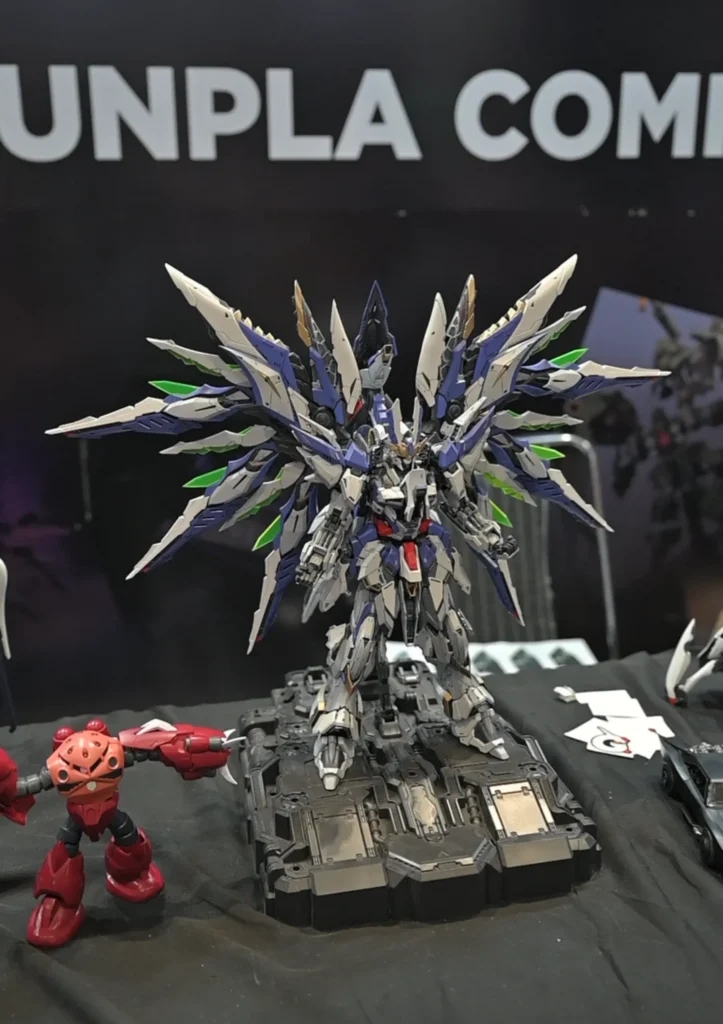
Cosplay may dominate the floor.
But it is not the only form of devotion.
In a quieter corner of the venue, between display booths and stage rehearsals, another kind of craftsmanship was being discussed: plastic, precision, and patience.
We spoke with Mihir Jani from the Indian Gunpla Community, a collective dedicated to the art of Gundam model building. Unlike cosplay, Gunpla does not rely on fabric or performance. It relies on assembly. On sanding. On painting. On hours spent refining plastic into articulated architecture.
Where cosplay transforms the body, Gunpla transforms time.
Mihir spoke less about trends and more about discipline, about how model building trains focus, how communities grow around shared technique rather than visibility. The emphasis was not spectacle, but structure.
In many ways, it mirrored the broader shift visible across Anime India Kolkata.
Fandom here is no longer passive consumption. It is participation.
Whether through saree reinterpretations, mechanical armor builds, or meticulously assembled Gundam frames, the throughline was clear:
Craft has entered the conversation.
And when craft deepens, community follows.
Honorable Mentions: The Floor We Couldn’t Fully Contain
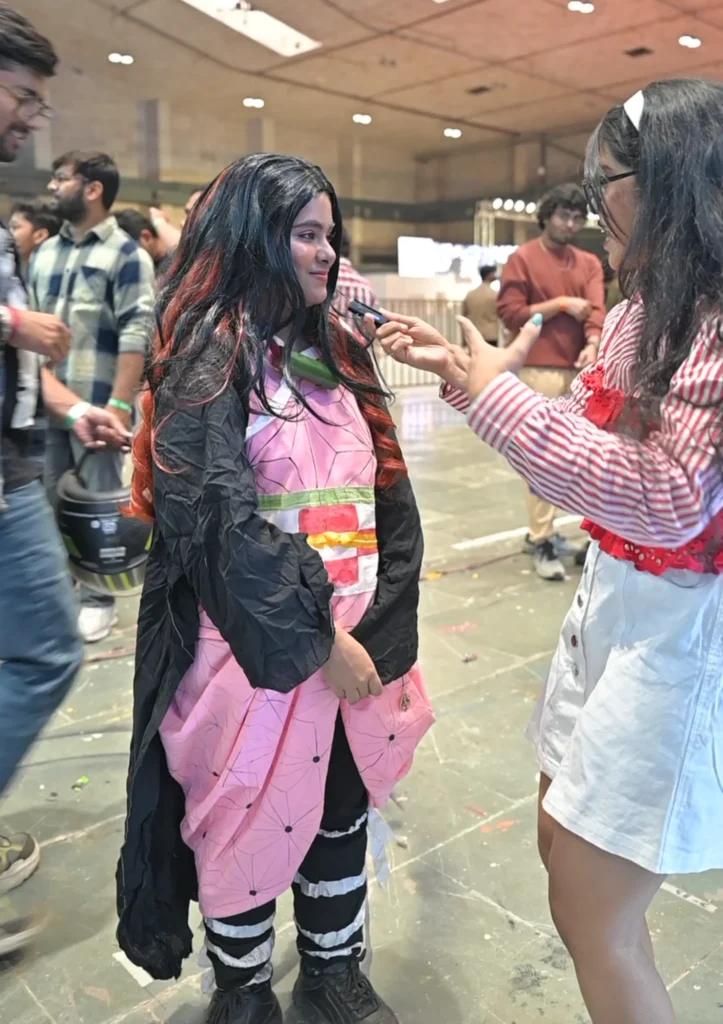
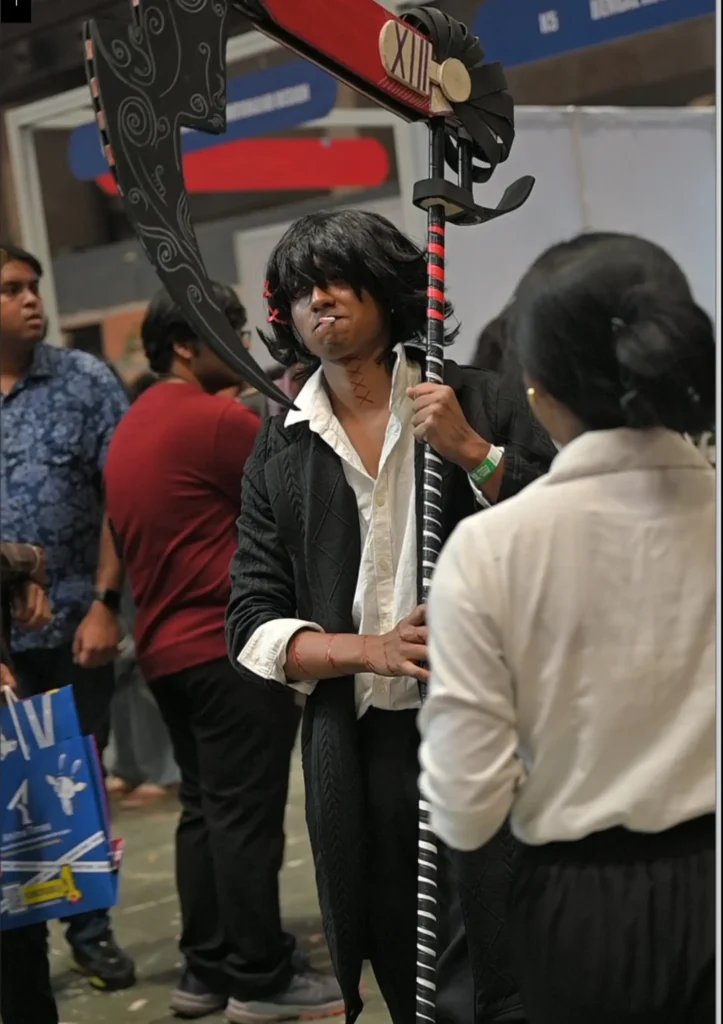
Across two days, it became clear that no single feature could capture the entire spectrum of creativity on display.
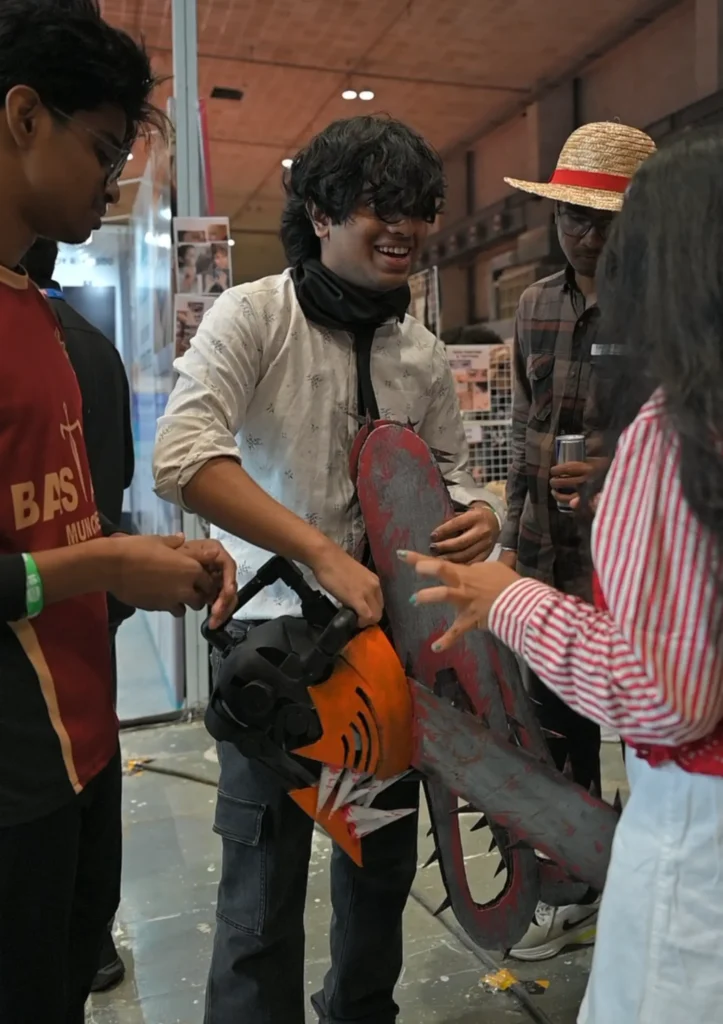
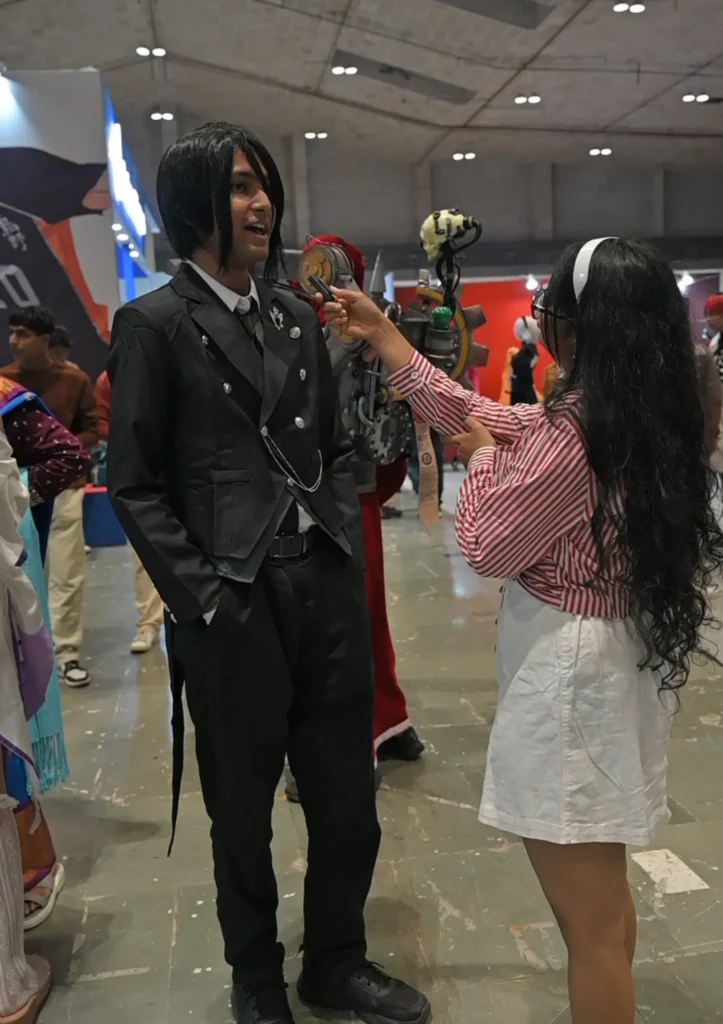
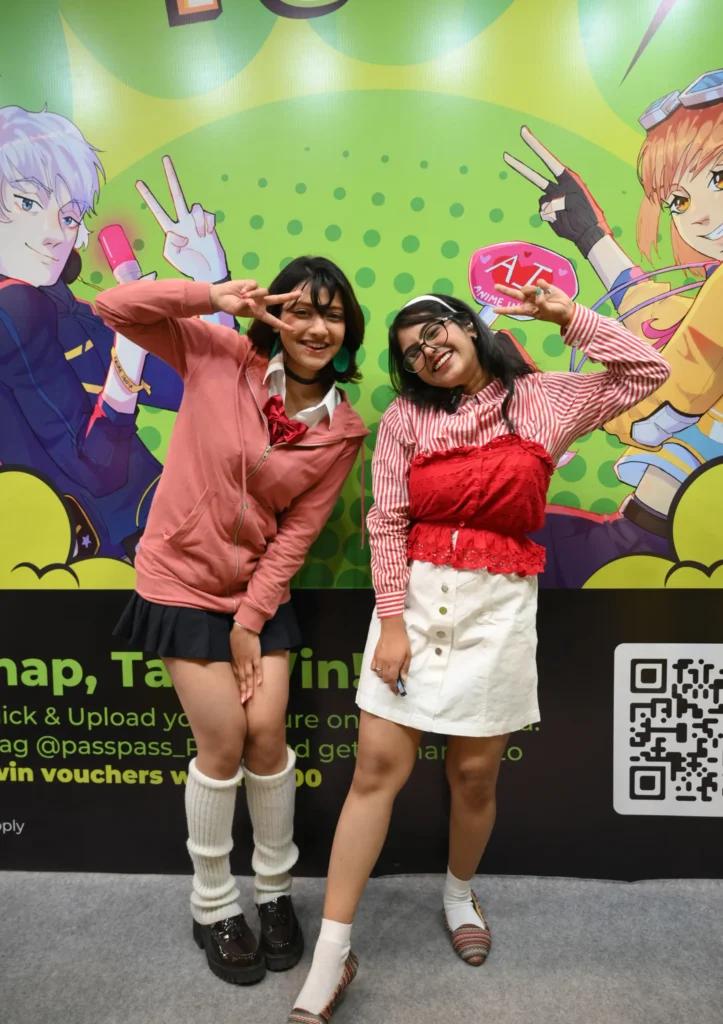
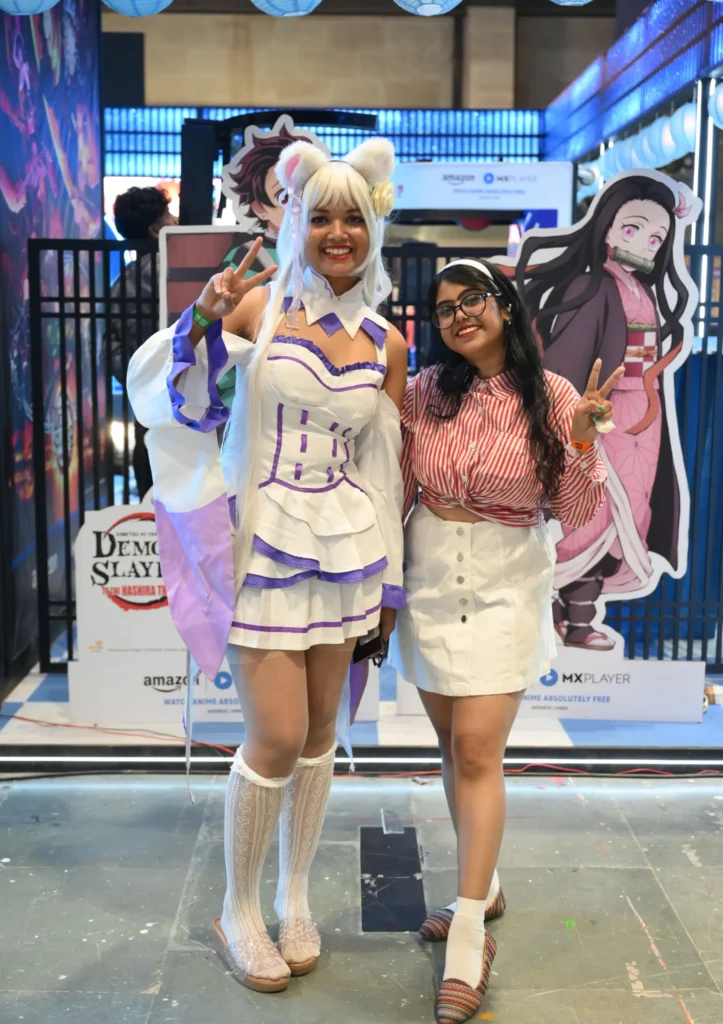
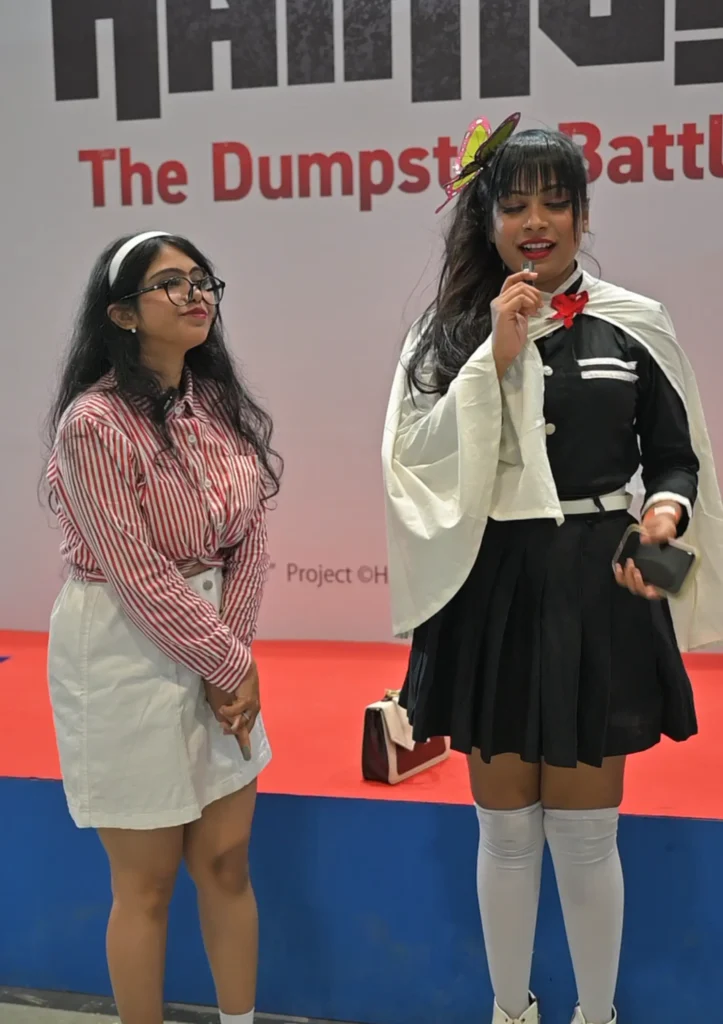
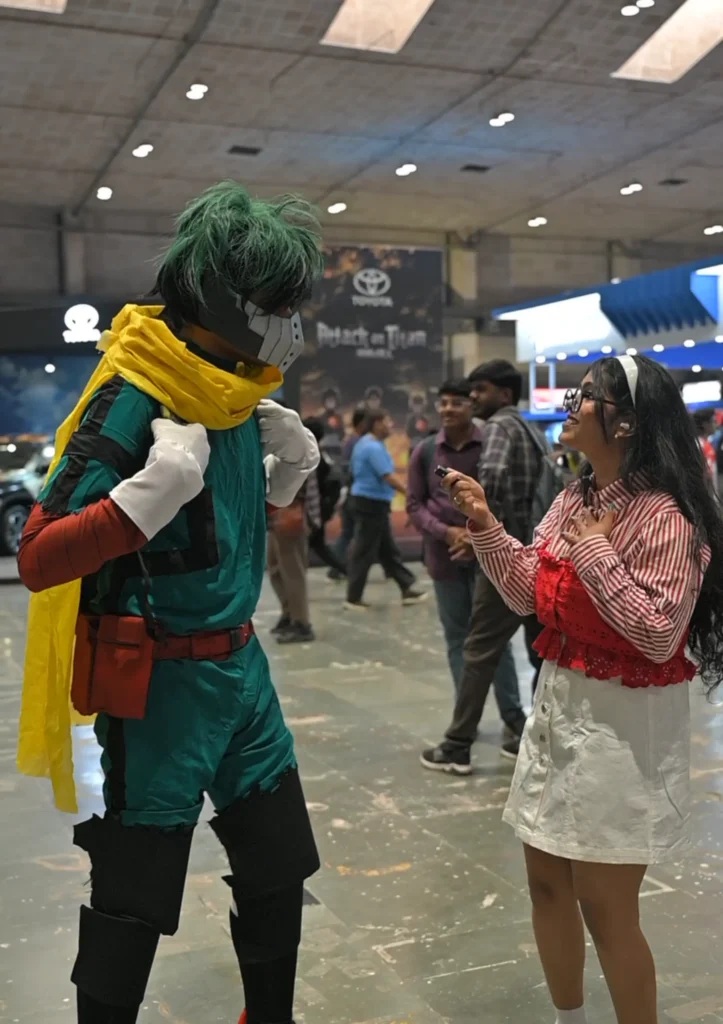
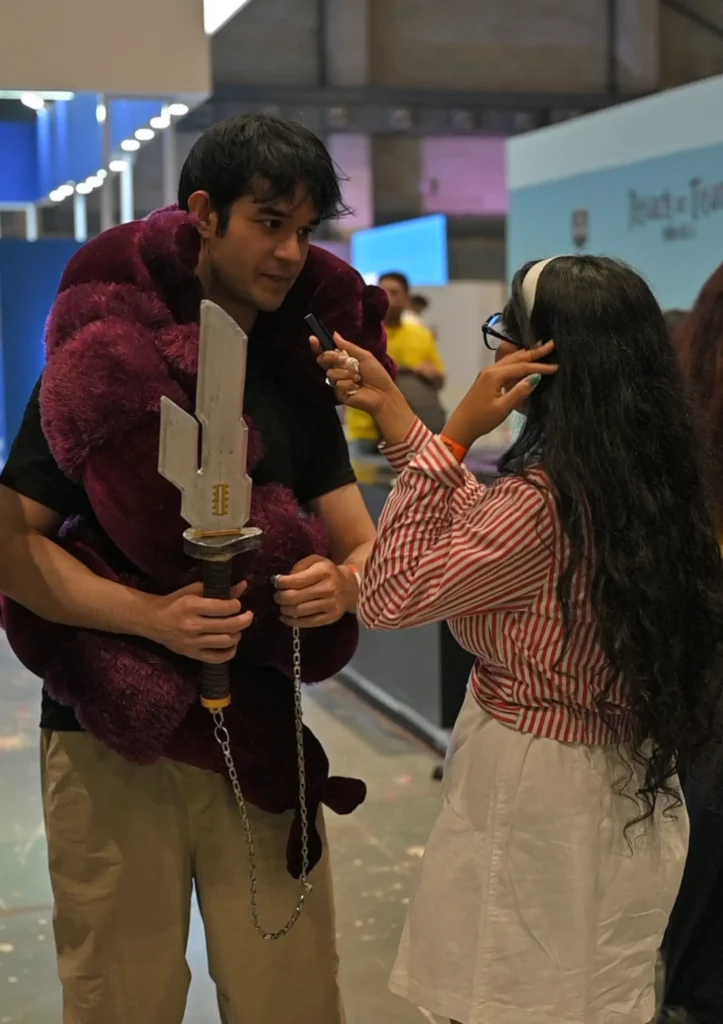
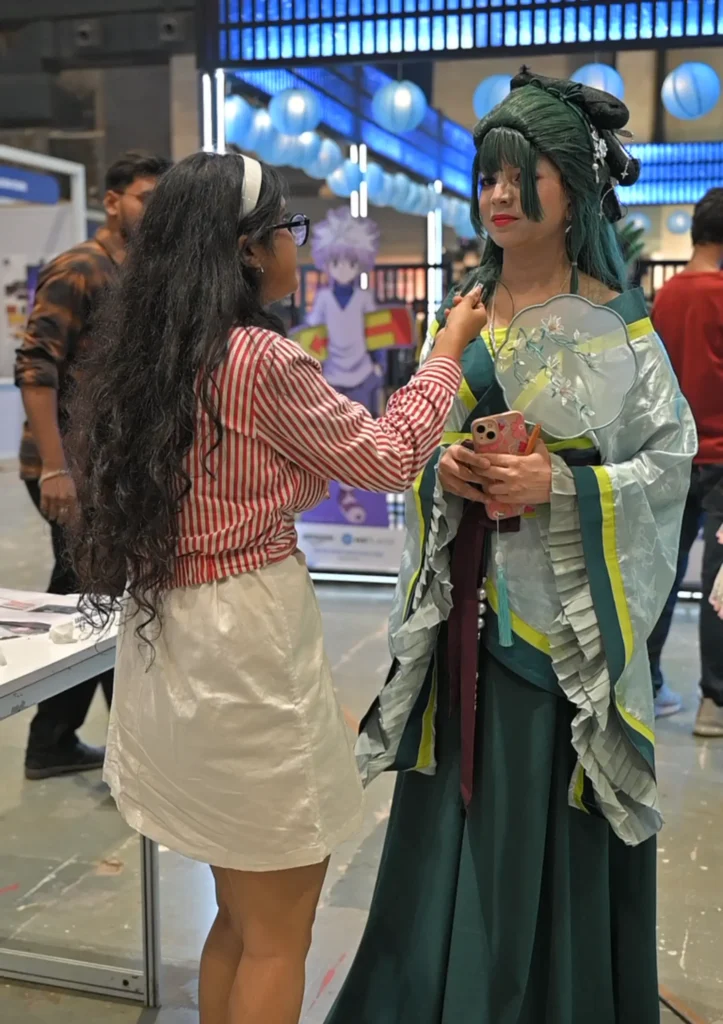
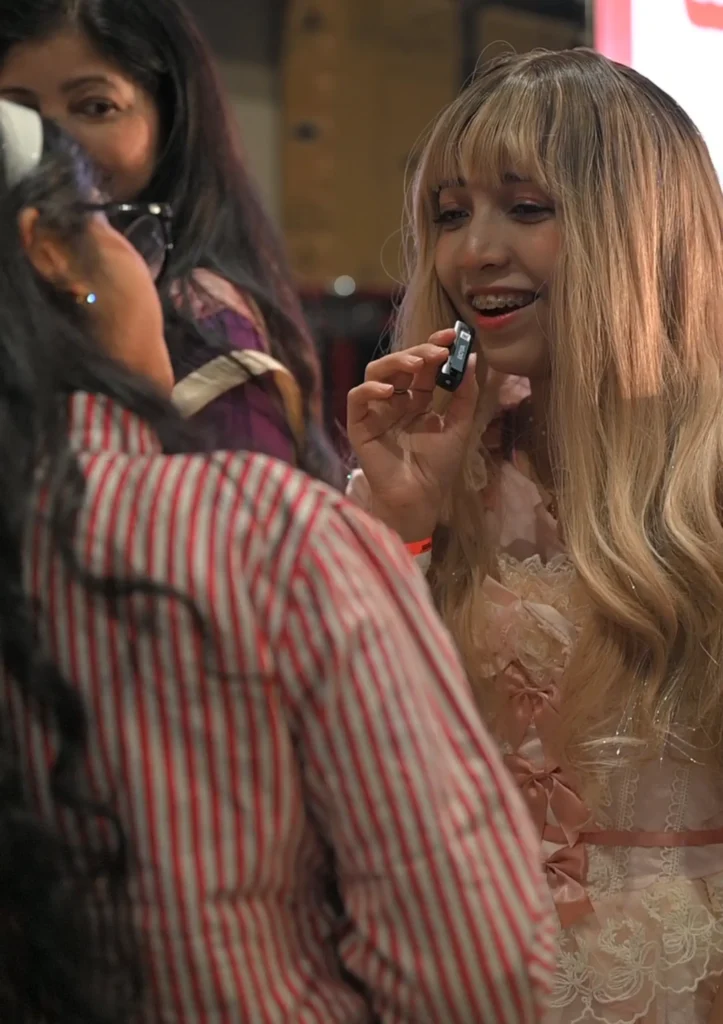
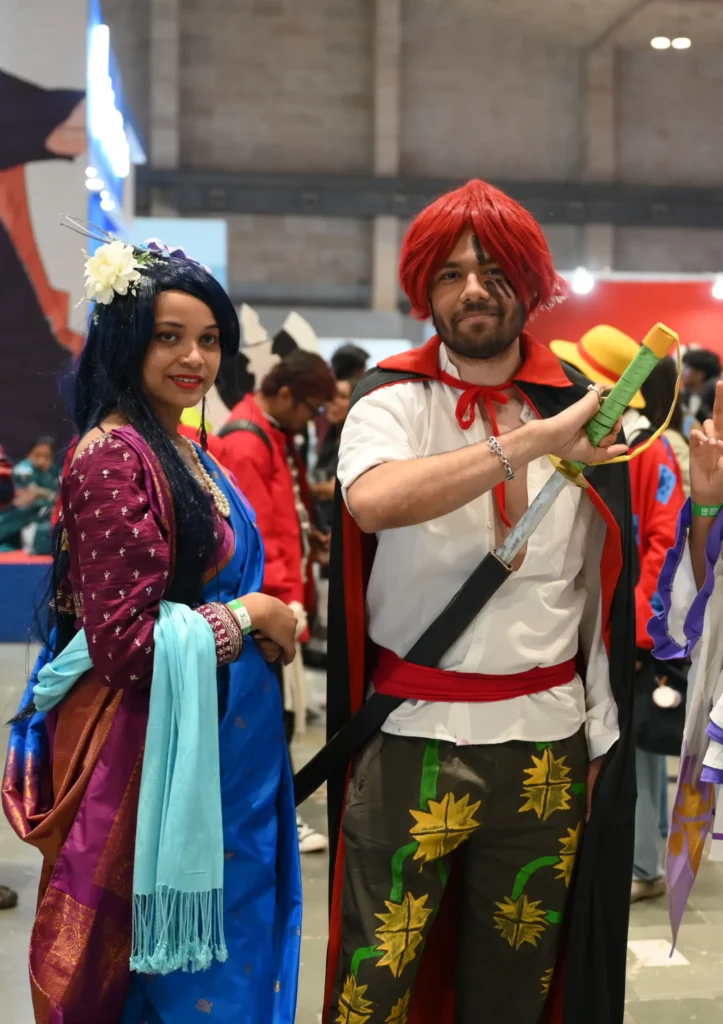
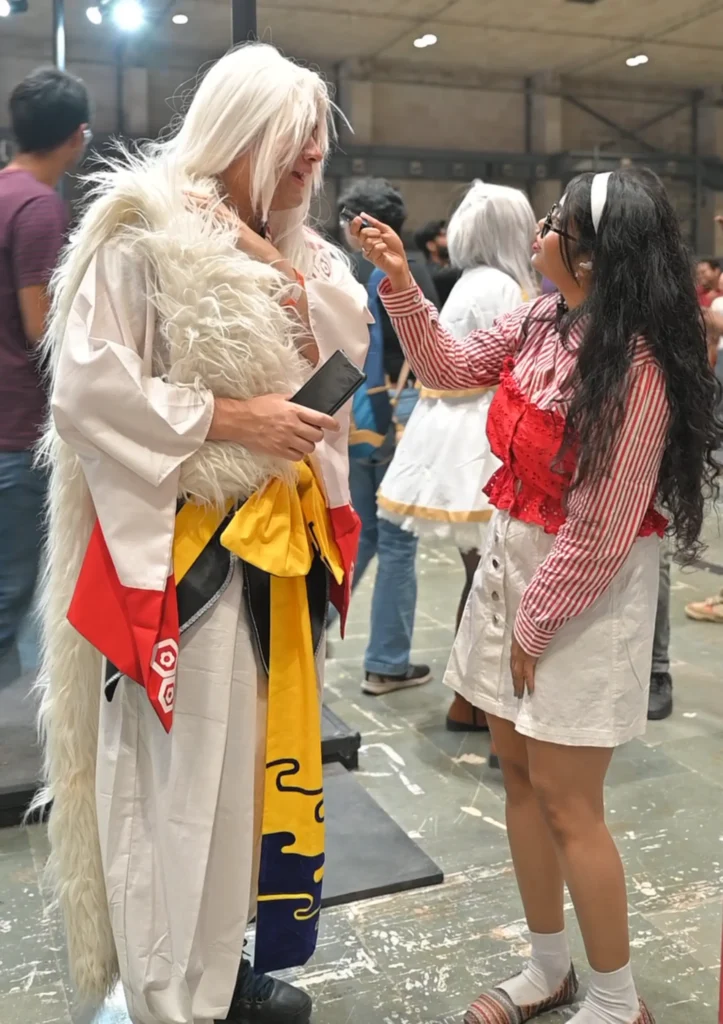
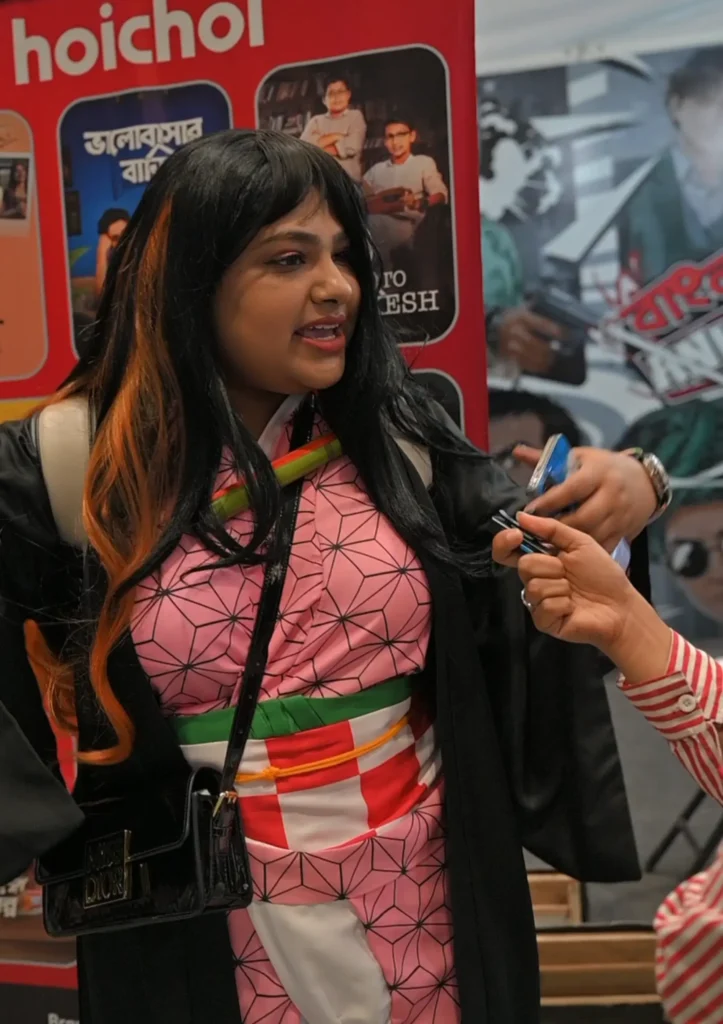
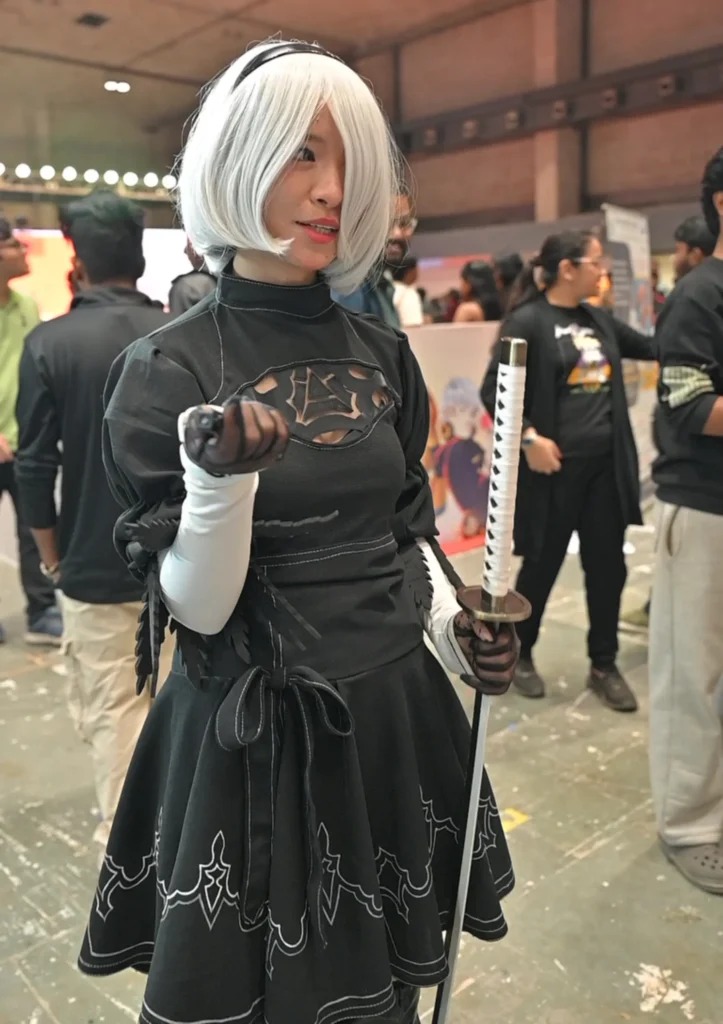
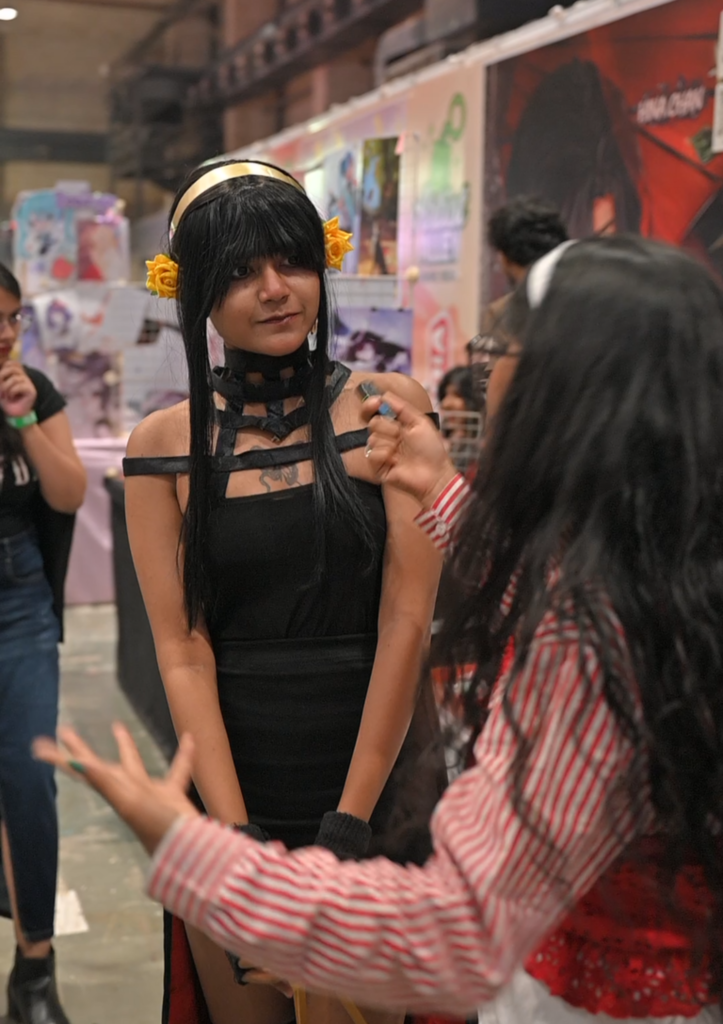
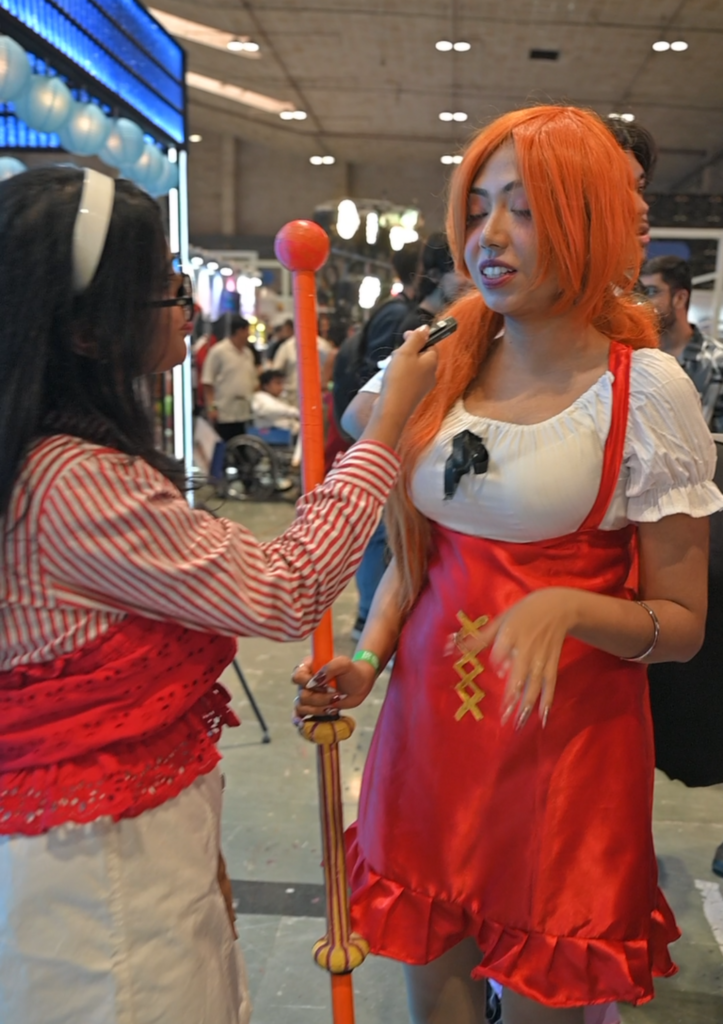
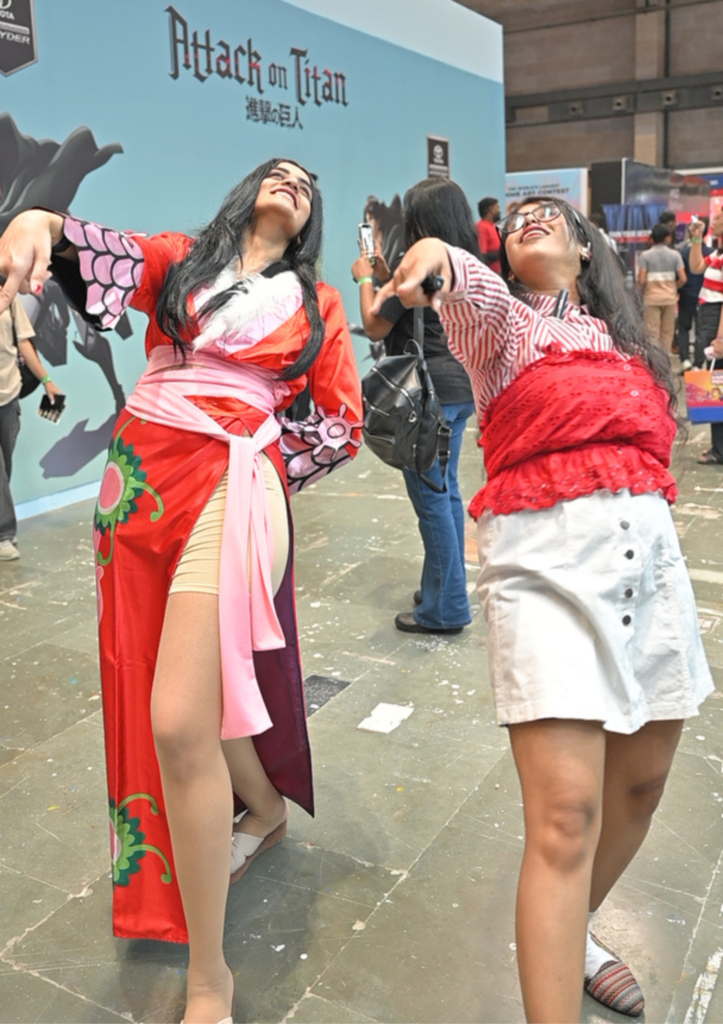
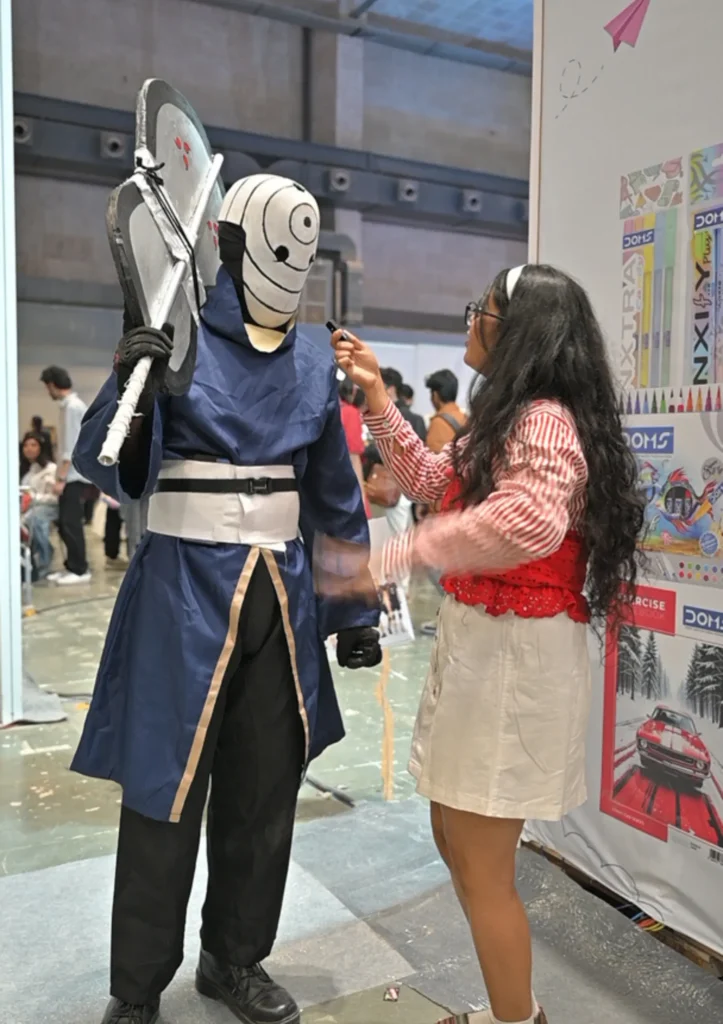
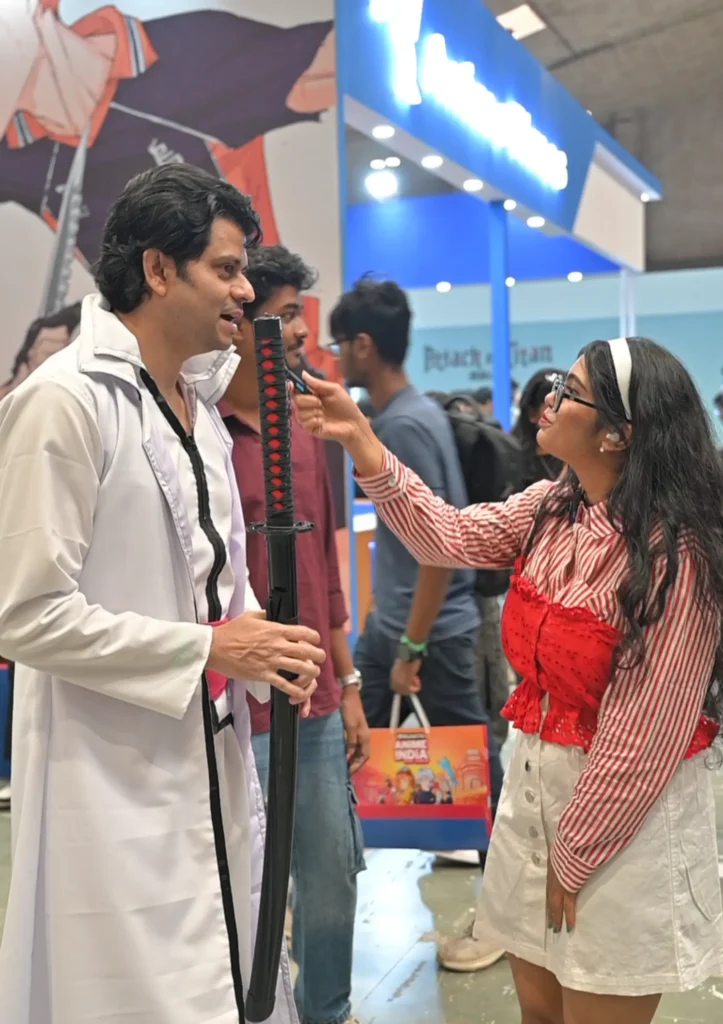
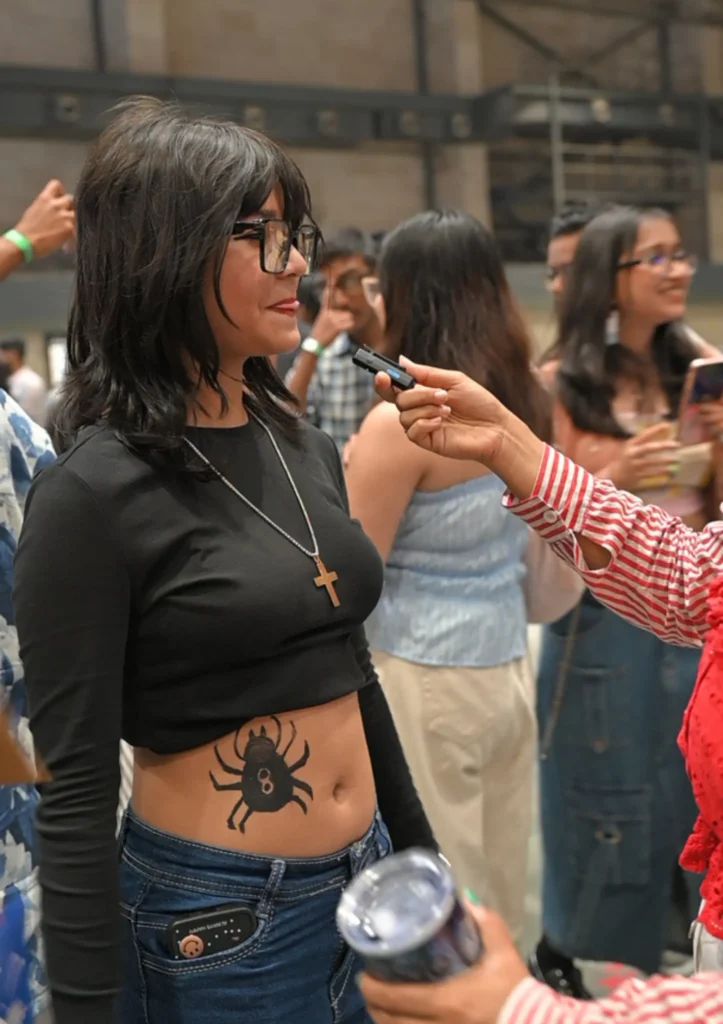
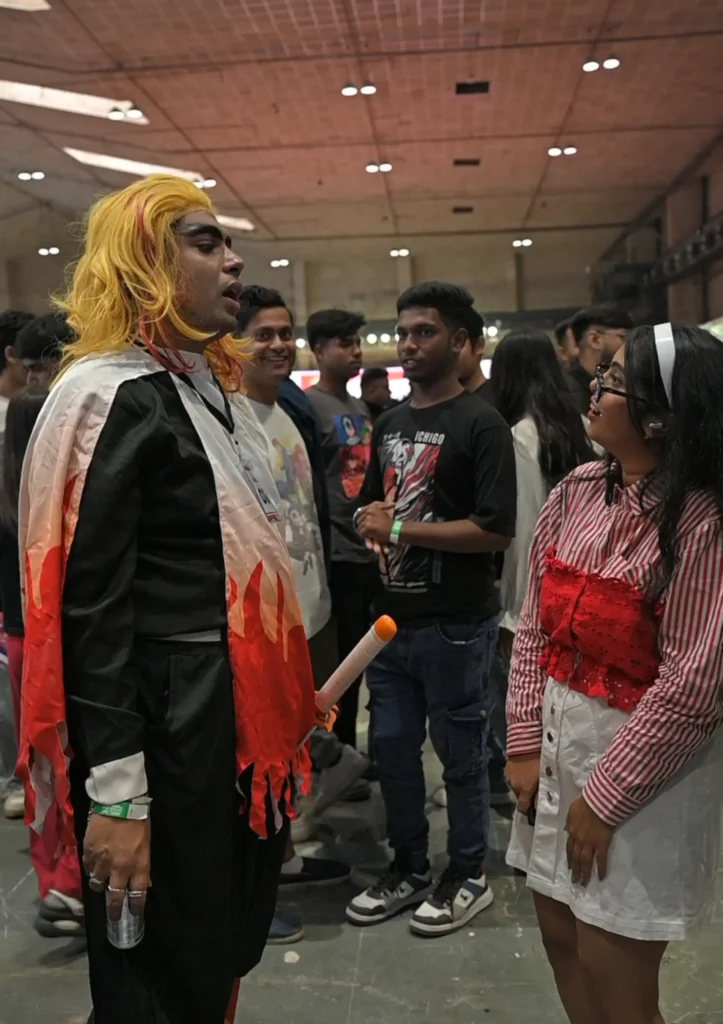
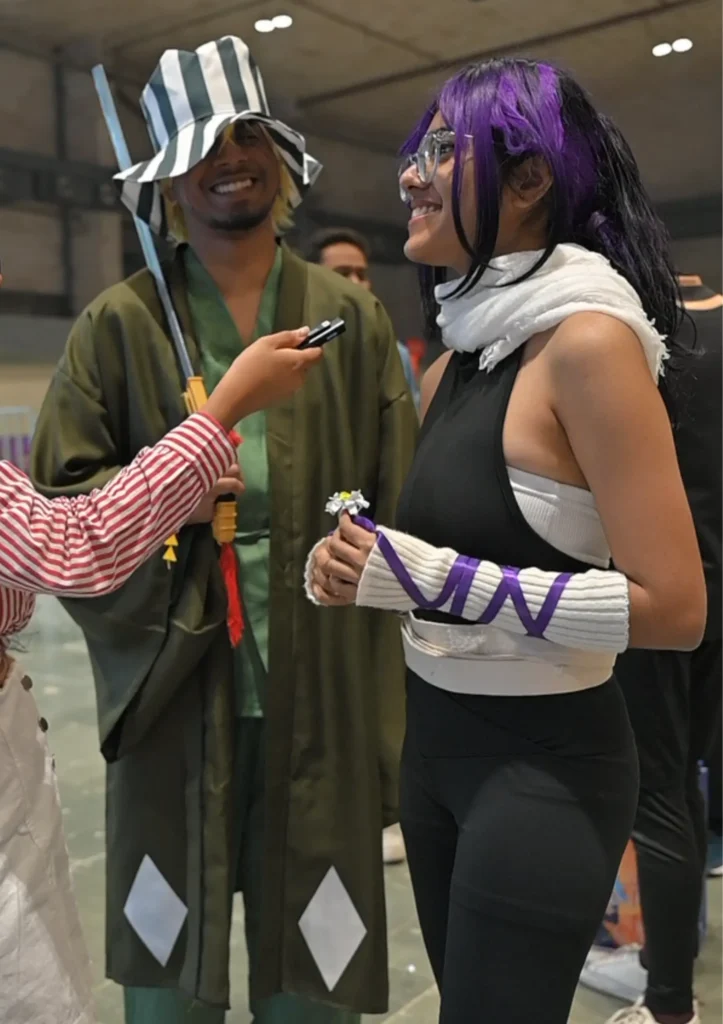
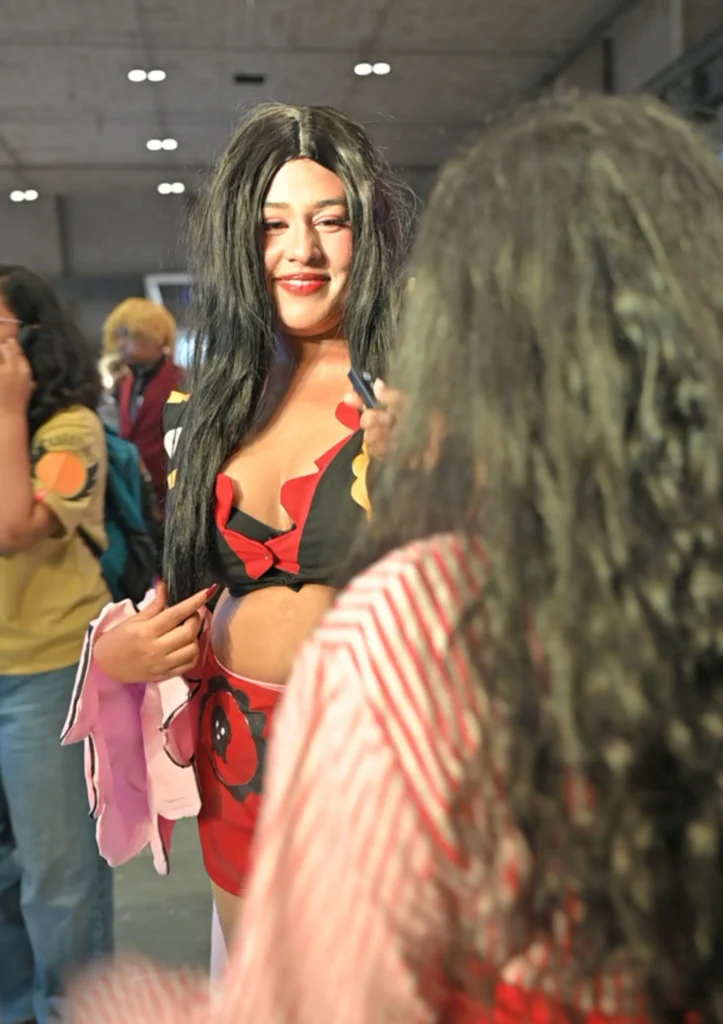
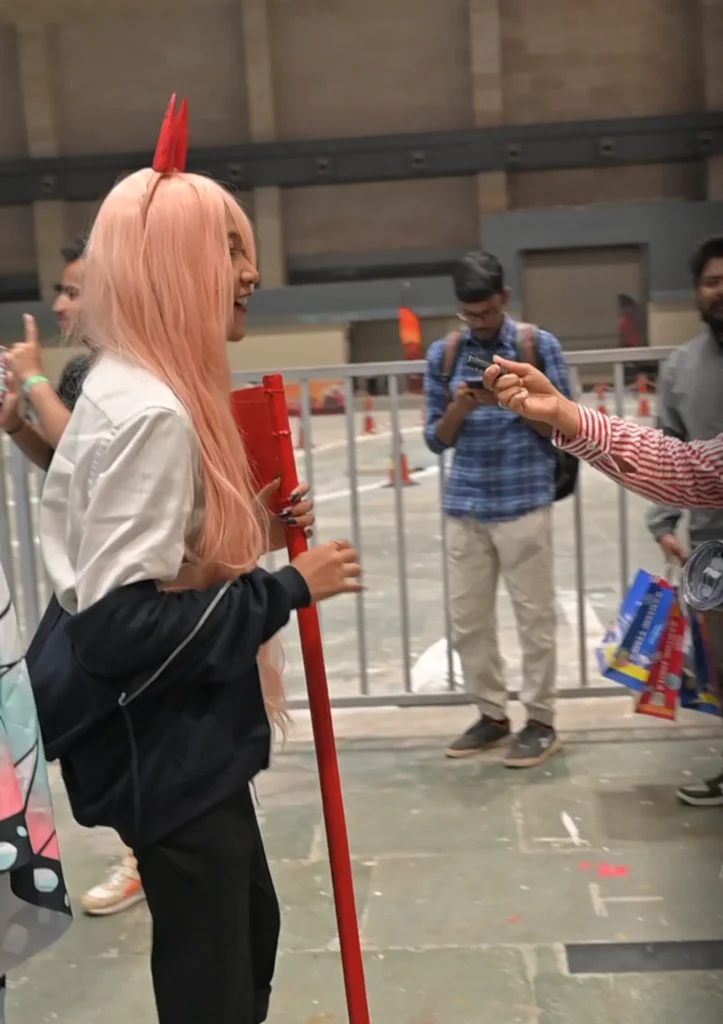
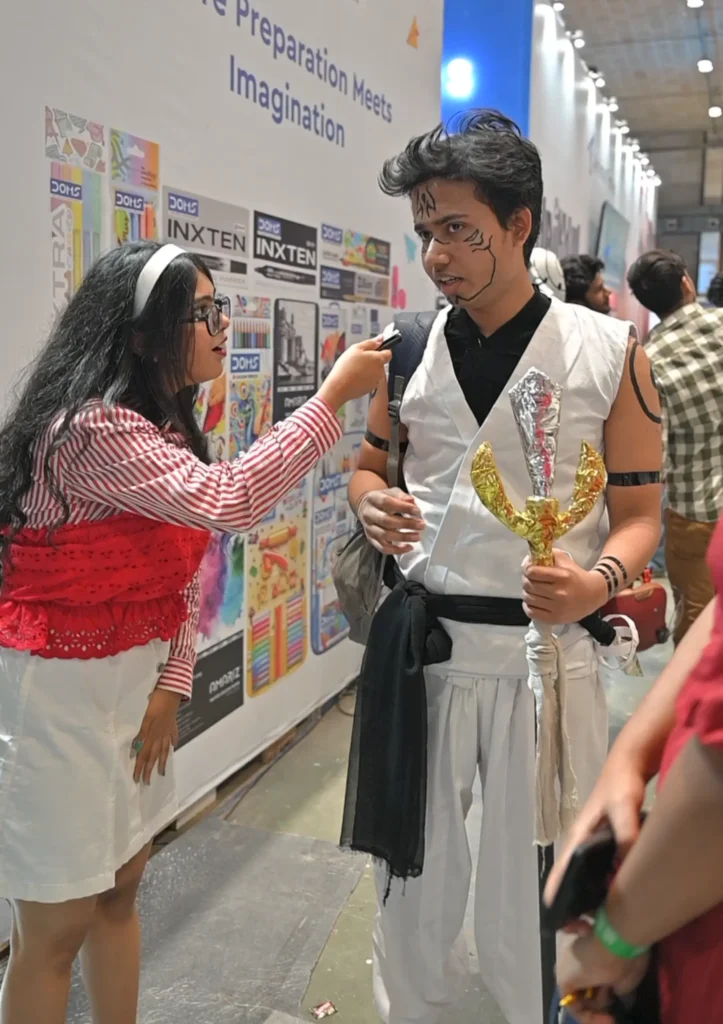
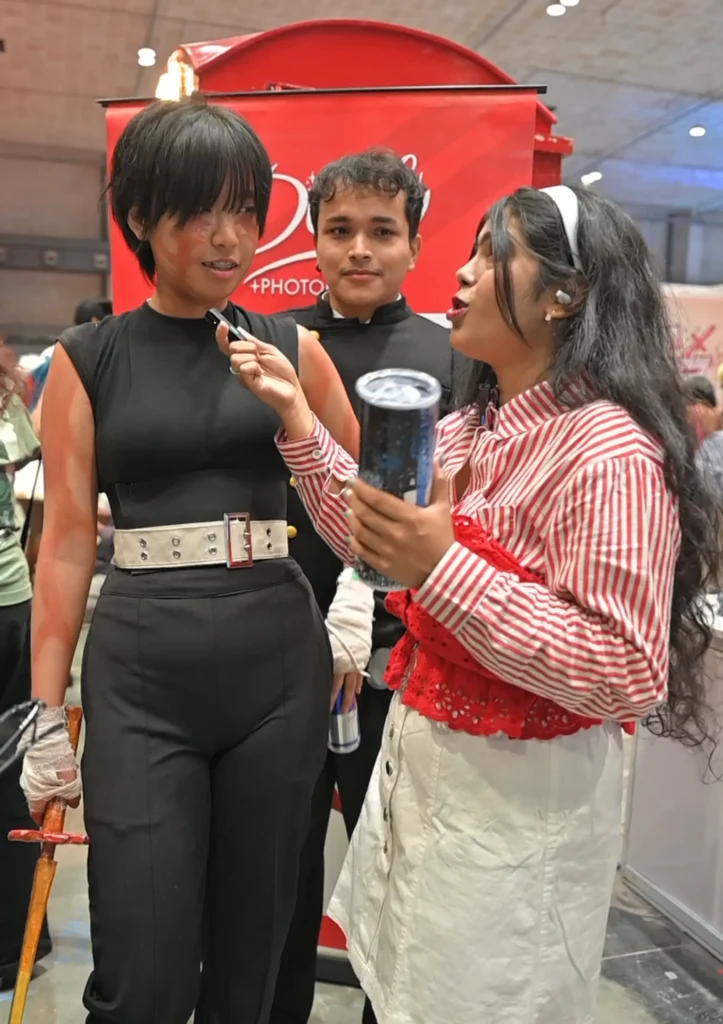
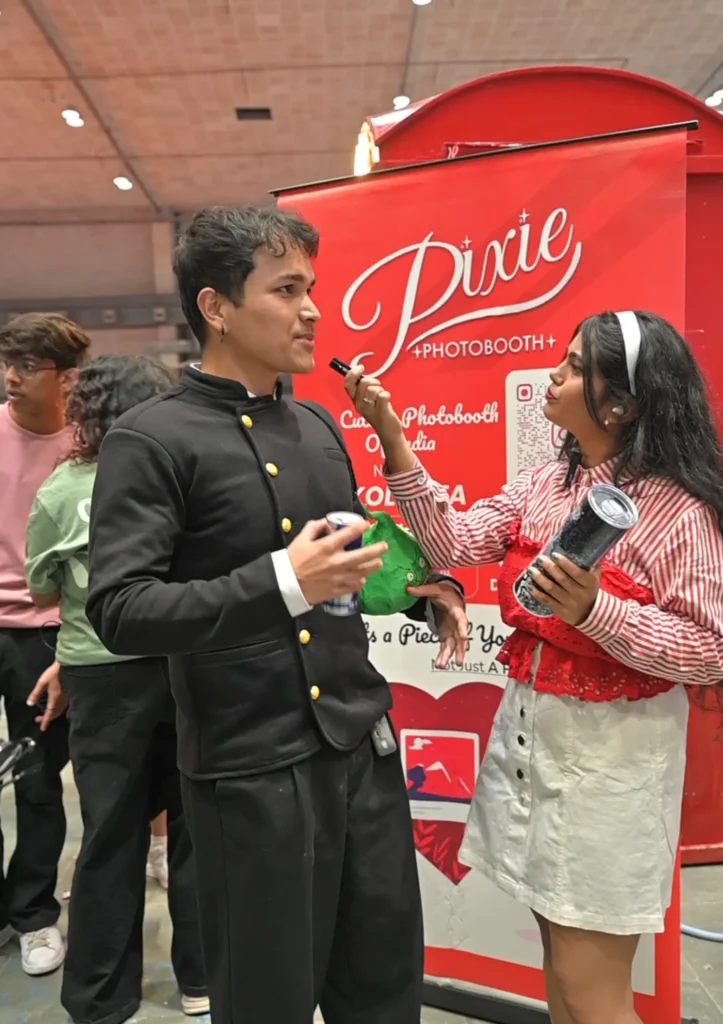
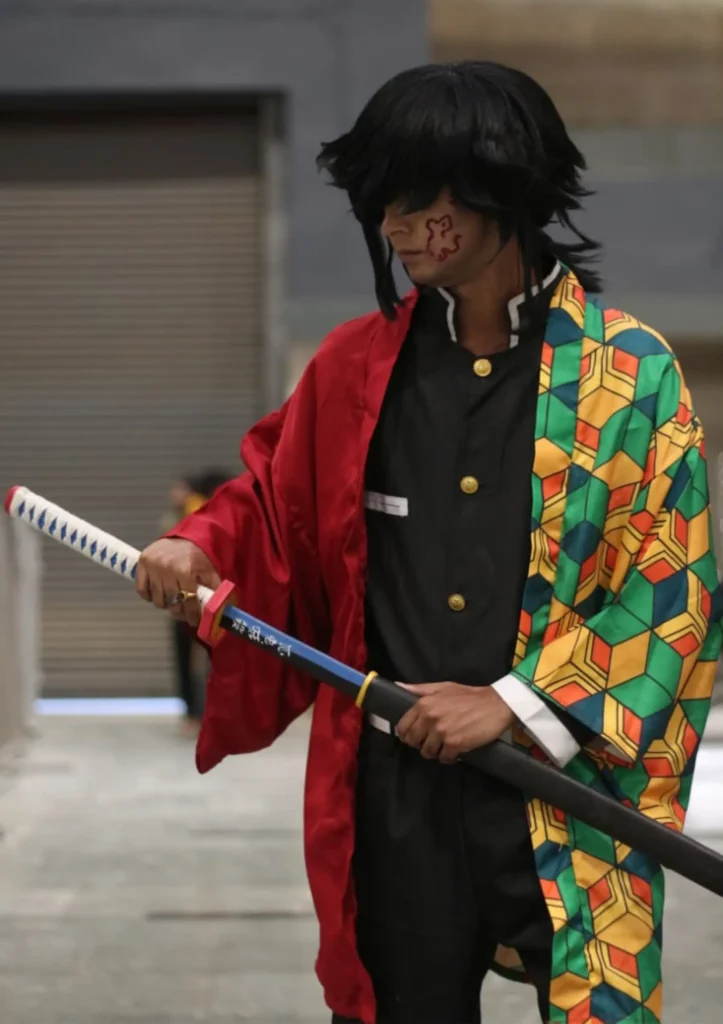
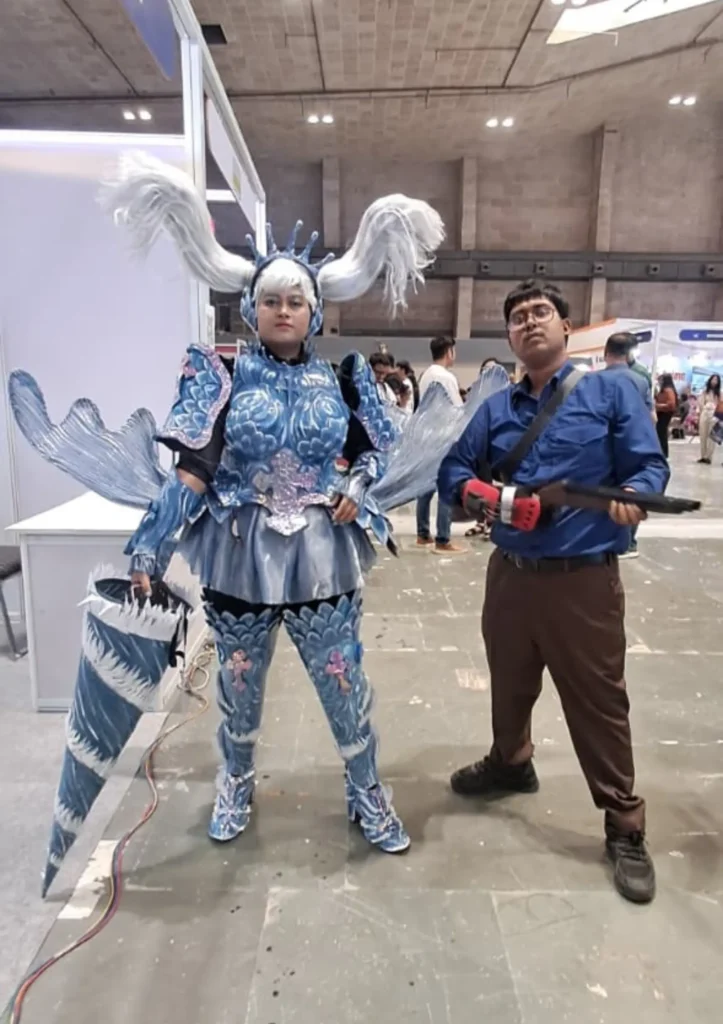
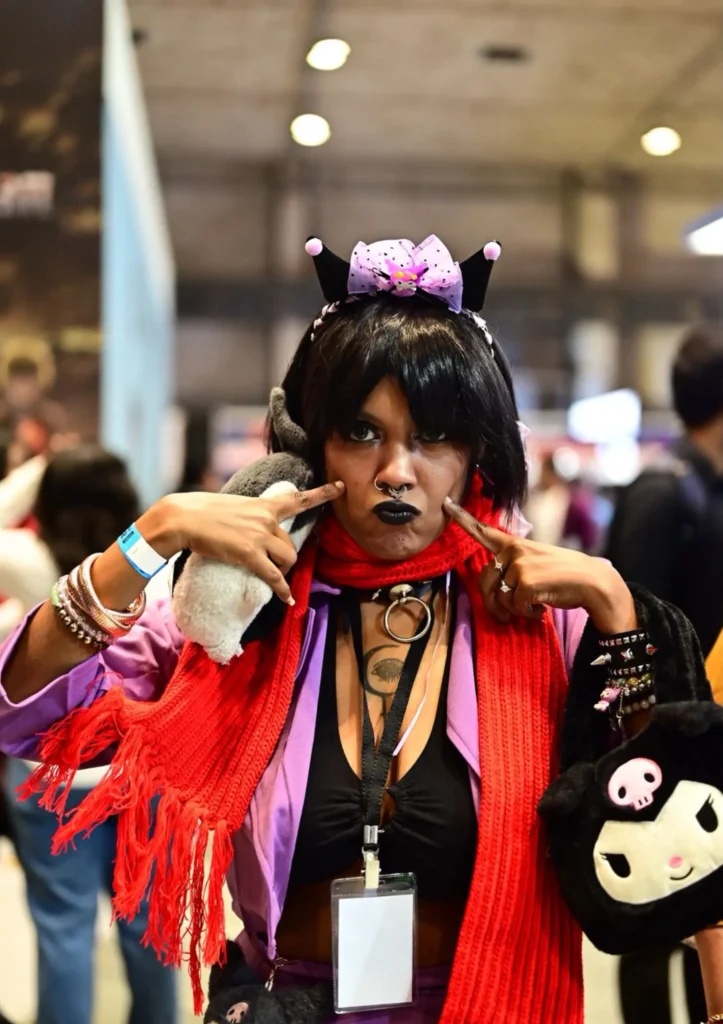
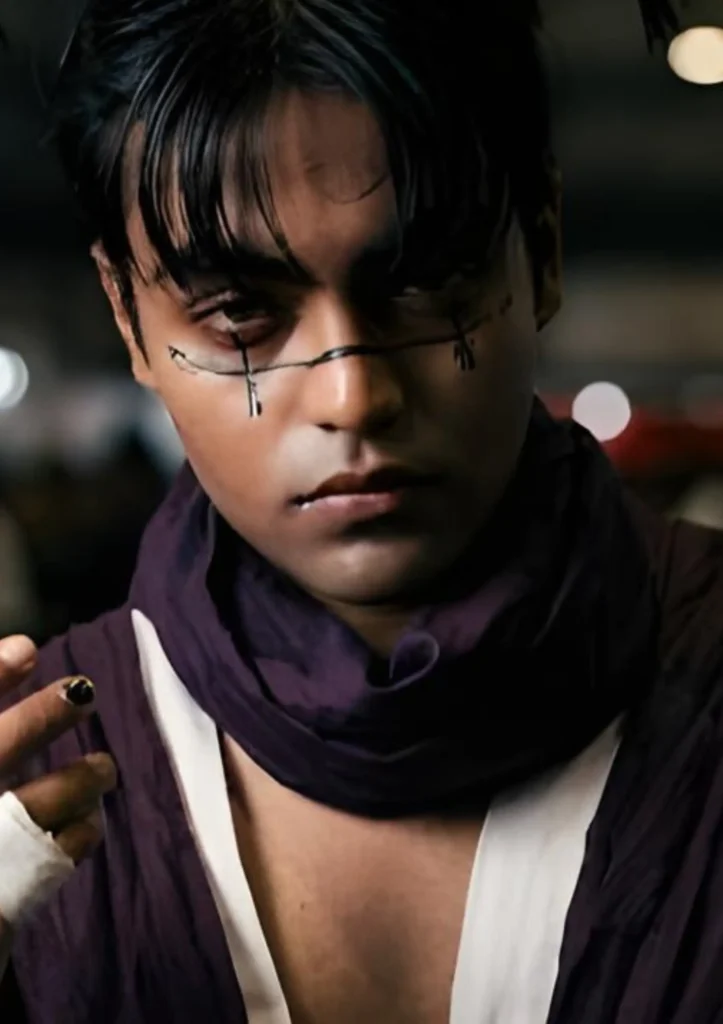
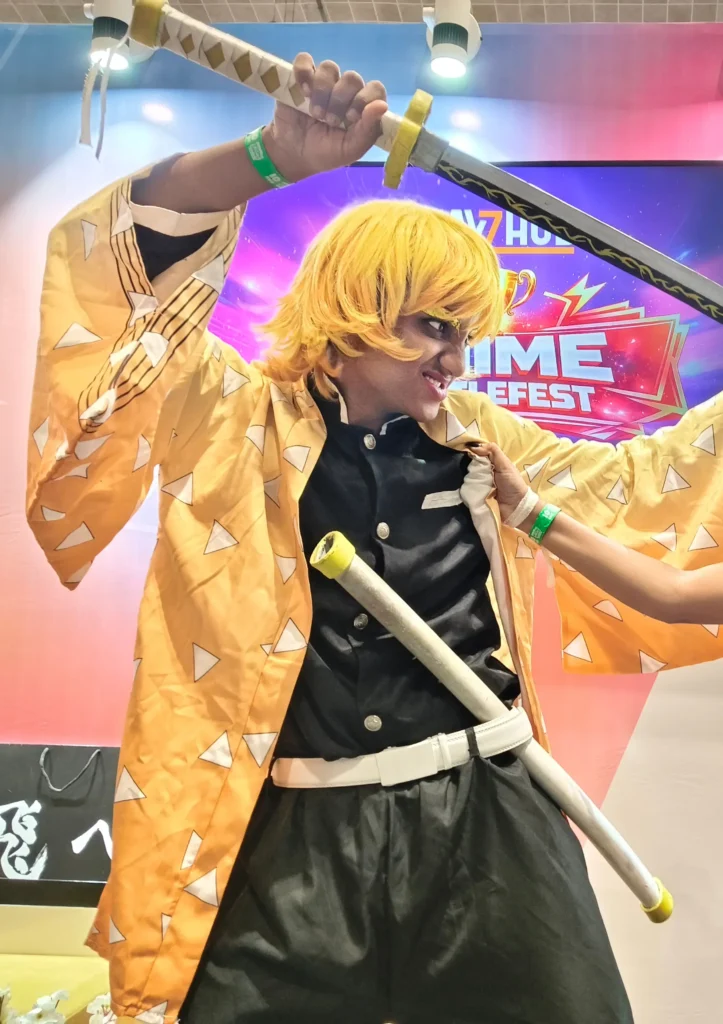
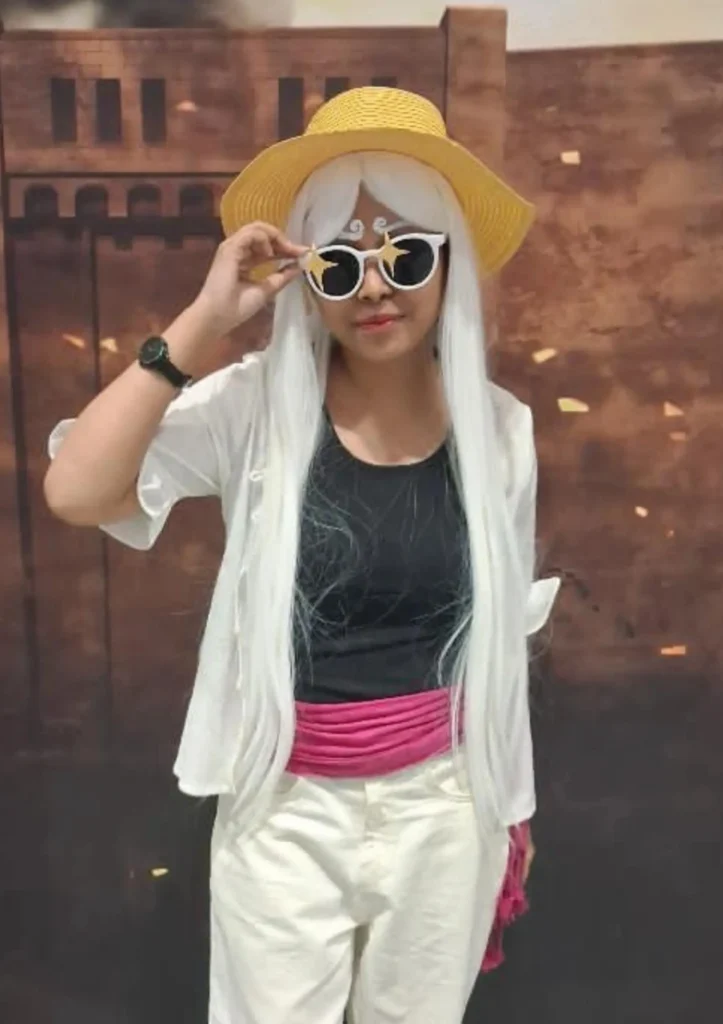
There were armored builds that required two assistants just to navigate staircases. First-time cosplayers are adjusting wigs nervously before stepping into character. Group performances are choreographed with quiet precision. Niche manga references that only a handful of attendees immediately recognized and celebrated.
After our coverage began circulating, more images arrived. More interviews followed. More stories surfaced.
That overflow matters.
Because it signals something larger than individual craftsmanship.
It signals density.
Anime India Kolkata is no longer a gathering of isolated enthusiasts. It is a network-layered, cross-referenced, collaborative.
The following gallery captures only a fraction of what unfolded.
Not as an afterthought.
But as an acknowledgement.

What This Weekend Meant And What Comes Next
There was a time when anime conventions in India felt experimental, small clusters of enthusiasts testing whether shared interest could fill a room.
Anime India Kolkata did not feel experimental.
It felt established.
The costumes were more precise. The reinterpretations are more thoughtful. The community is more self-aware. Conversations moved beyond “Which anime do you watch?” to “How did you build that?” and “What inspired this choice?”
That shift is subtle, but significant.
For Indian Anime Network, stepping onto the floor with a full crew was not simply coverage. It was participation in a moment that felt transitional.
Not because anime suddenly became popular.
But because the craftsmanship matured.
And when craftsmanship matures, culture stabilizes.
This weekend was not about spectacle alone.
It was about proof.
Proof that interpretation can be local without losing fidelity.
Proof that community can expand without dissolving into noise.
Proof that fandom in India is no longer peripheral.
It is building its own archive.
This is one entry in that archive.
And it will not be the last.