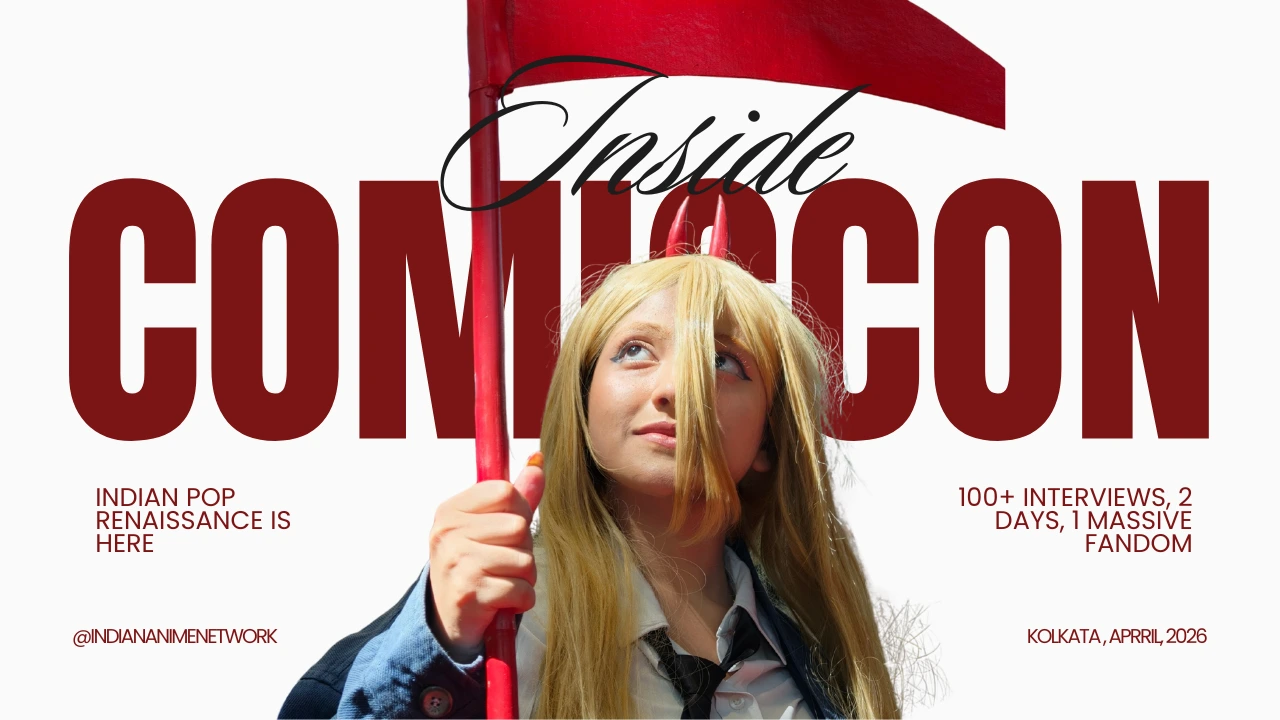
Inside Comic Con Kolkata: Scale, Spectacle, and a Community in Motion

If you stood still for more than five seconds at the Biswa Bangla Exhibition Centre this weekend, you were probably going to get hit.
Not aggressively. Not intentionally.
But by movement.
A cape turning too fast. A prop weapon cutting through air. A group stopping mid-walk for a photograph. Someone calling out a character name across the floor. Someone else already posing before you could process who they were.
Kolkata Comic Con 2026 did not unfold.
It collided.
Sound layered over sound. Conversations overlapping. Camera shutters cutting through music. Cosplayers moving between performance and pause without warning. The floor never settled; it shifted.
This wasn’t just attendance.
It was presence.
And somewhere inside that constant motion, something became clear:
This was no longer a niche gathering of fans.
It was a public stage.
And that is where we entered.
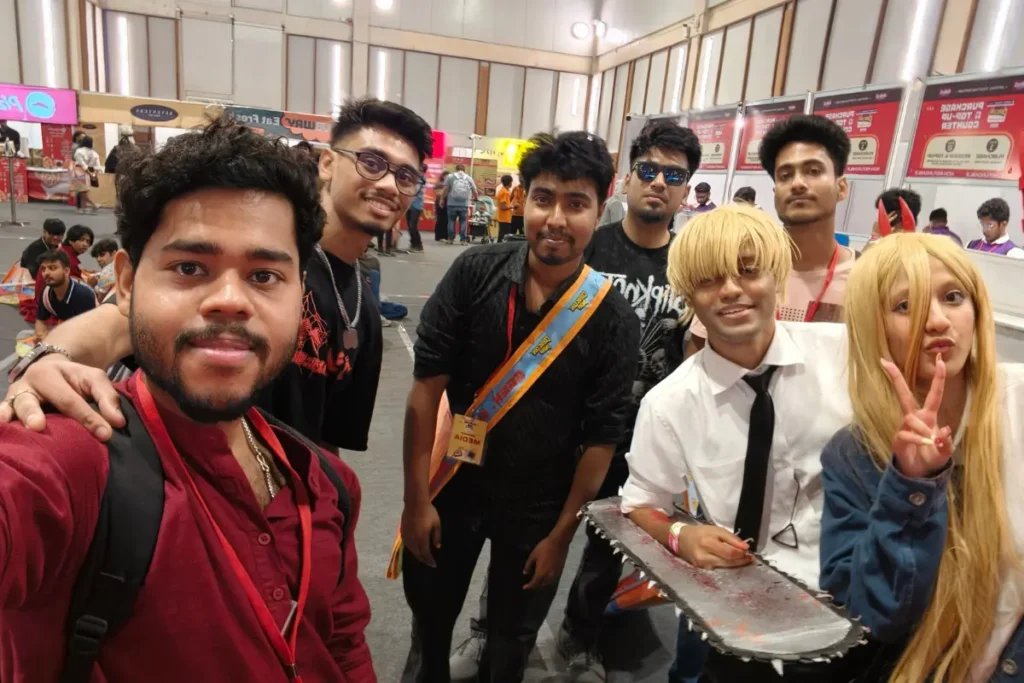
The Indian Anime Network hit the floor with a six-person production crew and a single intent: to capture not just what people wore, but what they carried with them.
Over two days, across more than 100 on-camera conversations, what emerged was not just enthusiasm.
It was articulation.
Not just fandom.
But identity.
And somewhere between the noise, the interviews, and the fleeting stillness between takes, one idea began to take shape:
This wasn’t just a convention.
It felt like a renaissance.
Six Cameras, One Floor: IAN at Comic Con
Six cameras would have been excessive.
Six people felt necessary.
Because Comic Con Kolkata does not slow down for documentation.
We stepped onto the floor as official media with a six-person crew, two cameras moving constantly, one host navigating conversations, and a team working to keep up with a space that refused to stay still.
At the center of it was Ruru.
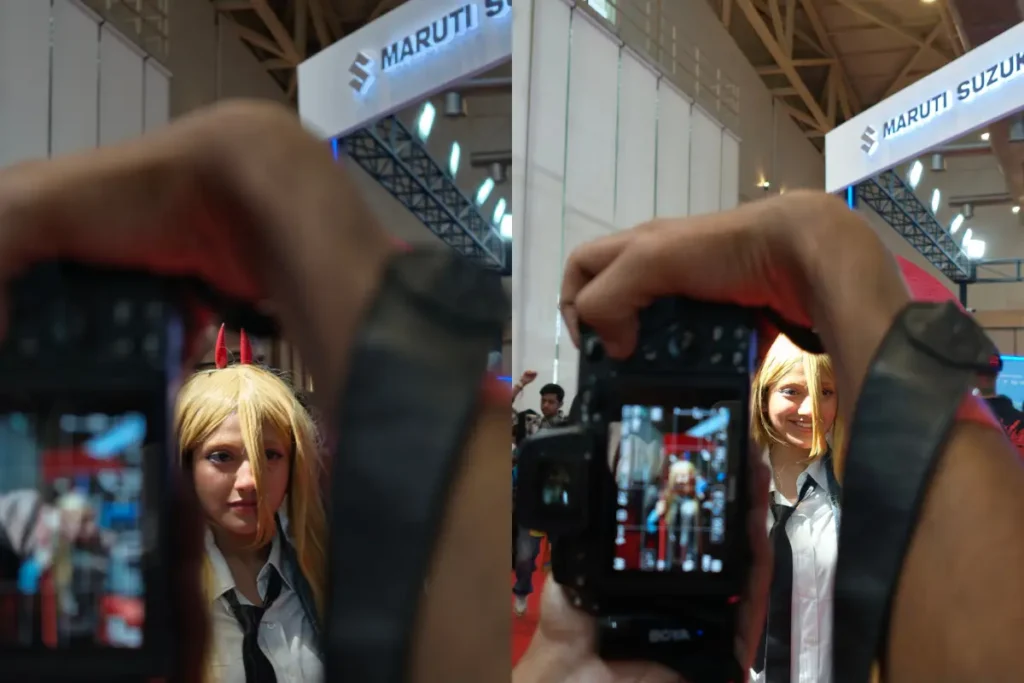
Not just as a host, but as a bridge.
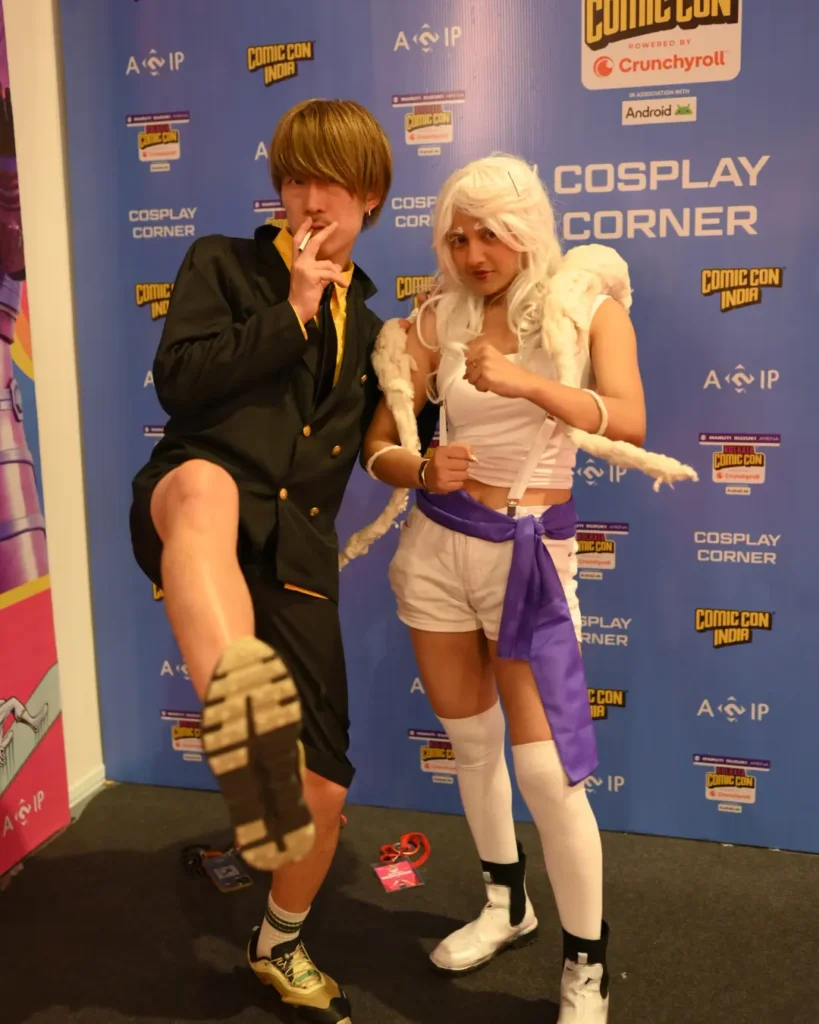
On one day, she moved through the crowd as Power, chaotic, loud, instantly recognizable. On the next, she shifted into a completely different energy, stepping in as a Gear 5–inspired Bonnie. The costume changed. The approach didn’t.
She asked, people answered.
Cosplayers opened up mid-performance. Attendees paused between movement. Conversations happened in fragments, between photos, between stage calls, between noise.
Over two days, those fragments became more than 100 on-camera interviews.
Not scripted.
Not staged.
Just captured in motion.
The Floor as a Playground: Arcades, Arenas, and Audience Chaos
Comic Con was not built to be observed from a distance.
It demanded participation.
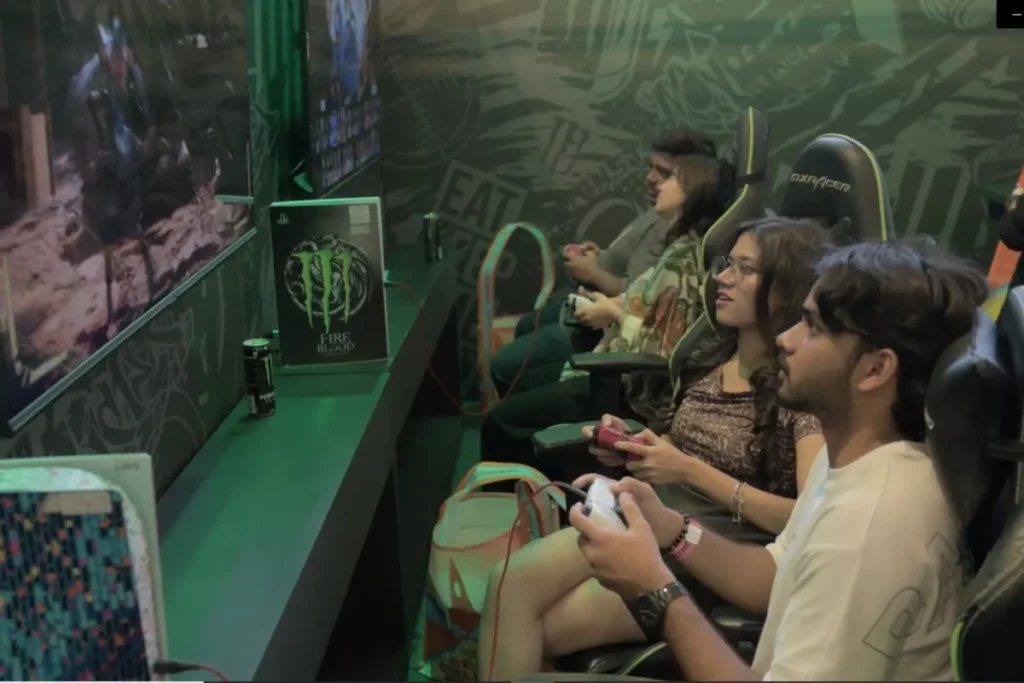
Beyond the movement of cosplay and conversation, the floor was layered with interaction, gaming stations, activity zones, and installations that pulled people in rather than letting them pass by.
We stepped into that rhythm.
Controllers passed between strangers. Quick matches turned into brief rivalries. Laughter cut through the constant noise as players failed, retried, and occasionally mastered what was in front of them. It wasn’t about competition as much as it was about involvement.
This is where Comic Con separates itself.
It is not just a gathering of people who watch.
It is a space for people who engage.
And in that engagement, the boundary between audience and participant dissolves almost immediately.
The Voices Behind the Work: The Architects of the Indian Comic Renaissance
Behind the movement, beyond the spectacle, were the people shaping what this space is becoming.
Across the weekend, we spoke with creators, publishers, and artists working at very different ends of the Indian pop culture spectrum. Their mediums varied. Their audiences differed. But the underlying question remained the same:
How do you tell stories to a generation raised on manga, Marvel, and constant visual stimulation?
Mythology, Rewritten for Motion
(Vivek Goel — Holy Cow Entertainment)
“Storytelling and art should be very dynamic. If it needs to appeal to Gen Z, it needs to follow the footsteps of DC and Marvel… especially manga. That is why we are retelling those old stories in the form of manga-type art.”— Vivek Goel, Holy Cow Entertainment
For Vivek Goel, the answer lies in evolution, not abandonment.
As the founder of Holy Cow Entertainment, with over 80 published titles, his work sits at the intersection of Indian mythology and modern storytelling. But the challenge is not the stories themselves. It is how they are told.
When asked about making mythology feel relevant to Gen Z, his response was immediate:
The format must change.
Traditional paneling, static layouts, they no longer hold attention the way they once did. Instead, Holy Cow is consciously shifting toward more dynamic visual storytelling, drawing influence from global comic traditions, particularly DC, Marvel, and increasingly, manga.
Not imitation.
Adaptation.
This shift becomes even more visible in The Last Asuran, one of his recent projects. The premise itself reflects a larger idea, a collision between an Asura and a vampire. East and West, mythology and modern archetypes, brought into direct conflict.
It is not just a story.
It is a statement.
When asked which of his titles could seamlessly translate into a manga-style production, his answer came without hesitation:
The Last Asuran.
An MMA-inspired protagonist. High-impact action. A narrative structure already leaning toward kinetic storytelling.
The intention is clear.
Indian stories are not being preserved in place.
They are being re-engineered for movement.
Legacy Meets a New Generation
(Savio Mascarenhas — Amar Chitra Katha / Tinkle)
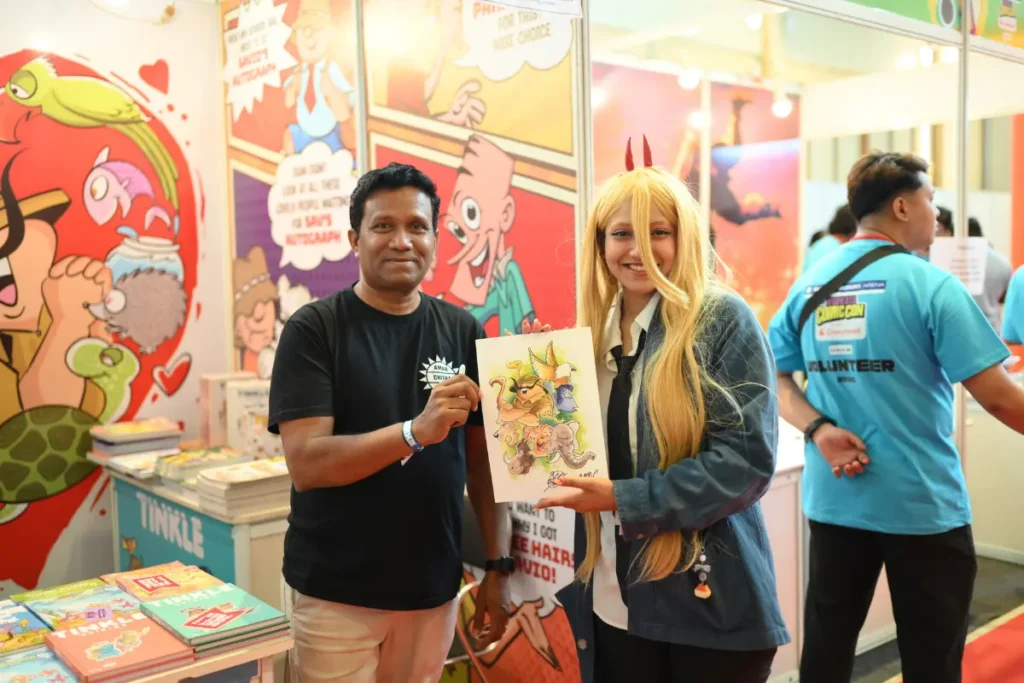
If Vivek represents evolution, Savio Mascarenhas represents foundation.
Amar Chitra Katha and Tinkle are not just publishers. They are memories. For many in the room, they were the first entry point into storytelling itself.
And yet, even legacy must adapt.
Savio spoke about the traditional role of ACK, documenting India’s history, mythology, and folklore, from the Jataka Tales to the Hitopadesha. But the focus now is not only preservation.
It is a continuation.
A new title, The Musicians of India, is set to explore the lives of legendary artists, from Hariprasad Chaurasia to Lata Mangeshkar, expanding the idea of what cultural storytelling can include.
But the more revealing moment came when discussing Gen Z.
There was no denial.
No resistance.
Children today are deeply immersed in manga and anime. Their expectations for pacing, visual storytelling, and emotional engagement are different.
And ACK is aware of it.
The shift is not about competing.
It is about learning.
New storytelling approaches are being explored. New visual rhythms are being tested. The goal is not to abandon tradition, but to retell it in a language that feels current.
Even in lighter moments, that awareness surfaced.
When asked what genre Suppandi would belong to in anime, Savio’s answer was immediate, romance. A humorous response, but also telling.
Because even the most familiar characters are now being imagined through new lenses.
Darkness, Memory, and Metal
(Gaurav Basu — Acid Toad)
Where publishers think in structure, independent artists often think in instinct.
Gaurav Basu, known as Acid Toad, operates in a completely different visual space, one shaped by darkness, distortion, and atmosphere.
His work does not aim for mass accessibility.
It aims for immersion.
When describing his influences, the origin was not digital. It was oral. Childhood ghost stories, told by his grandmother and mother, rooted in collections like Thakurmar Jhuli. Those early narratives of fear and folklore did not fade.
They evolved.
Later, they merged with another influence: metal music.
The aggression, the visual identity, and the aesthetic intensity of metal culture became part of his artistic language. What emerged is a style that feels both deeply local and globally aligned with darker subcultures.
Interestingly, his relationship with anime is selective.
Not expansive, but specific.
He pointed to darker arcs and creators, Naruto Shippuden, particularly characters like Pain and Itachi, and the unsettling, psychological horror of Junji Ito.
The connection is clear.
Not fandom.
Affinity.
His work does not borrow from anime broadly.
It resonates with its darker edges.
Across these conversations, one pattern remained consistent.
There is no single direction for Indian pop culture.
There are multiple.
Some are evolving tradition.
Some are redefining legacy.
Some are rejecting structure entirely.
But all of them are moving.
More full-length interviews, including extended cuts and creator deep-dives, will be released across Indian Anime Network platforms in the coming weeks.
The Sound and Soul of the Main Stage
If the floor was constant motion, the stage was where that motion found direction.
For brief moments at a time, the noise aligned.
Beats, Bars, and Fandom Anthems
Music did not sit quietly in the background.
It took control.
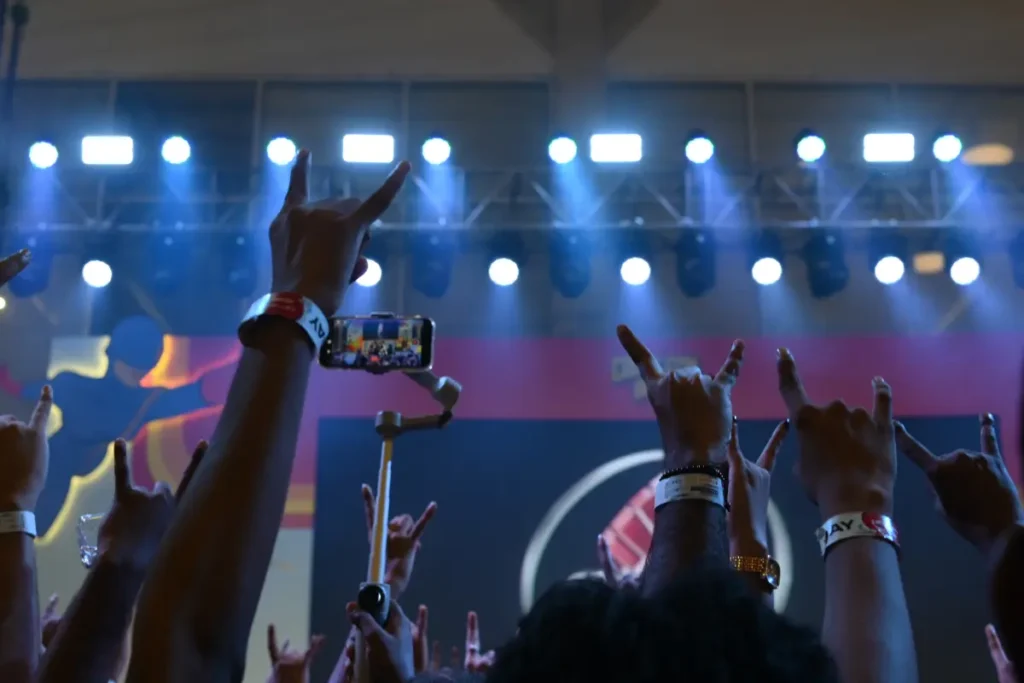
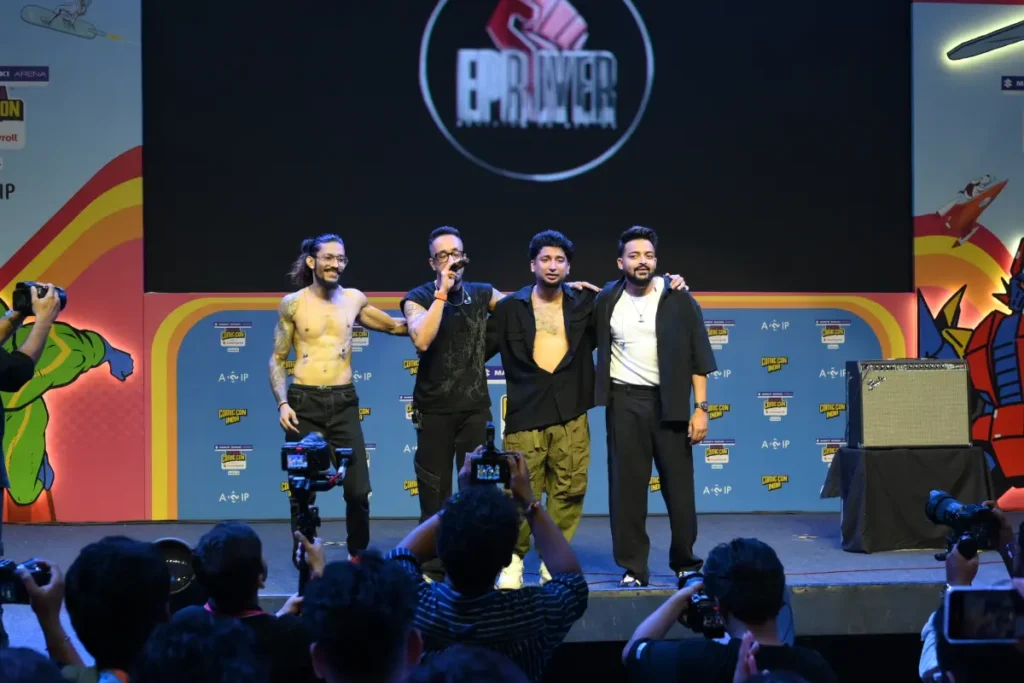
EPR Iyer’s presence carried weight, lyrical, deliberate, cutting through the crowd with precision. MC Headshot followed with a different kind of energy, sharper at the edges, pulling the audience into rhythm rather than letting them observe from a distance.
Then the sound shifted.
KY Collective brought something less expected, beatboxing layered with Bollywood familiarity, a fusion that felt immediate, accessible, and distinctly local. It was not just performance. It was translation.
KAI RJ carried vocal clarity into that mix, grounding the space between high-energy sets with something more controlled, more melodic.
Across these acts, the pattern remained the same:
The audience did not just listen.
They responded.
Hands lifted. Heads nodded. Phones came out, not just to record, but to participate.
For a few minutes at a time, Comic Con stopped being a moving crowd.
It became a shared tempo.
Comedy, Commentary, and Cultural Self-Awareness
But the stage was not only about sound.
It was about reflection.
Vaibhav Sethia and Kumar Varun brought stand-up into the space, humor that understood its audience. Jokes landed not because they were universal, but because they were specific. References didn’t need explanation. The crowd already knew.
That familiarity mattered.
It meant the community was no longer forming.
It was established enough to laugh at itself.
Geek Fruit extended that idea further, not just as performers, but as voices that have long existed within the fandom conversation. Their presence blurred the line between online discourse and physical gathering.
And then there was Mooz.
Where others used sound, he used surface.
Graffiti layered with anime influence, street-art aesthetics merging with pop culture iconography, not staged, not framed, but embedded into the environment itself.
Different mediums.
Same intent.
To express fandom not as consumption, but as creation.
Across both days, the stage did something the rest of the convention could not.
It gathered attention.
Not in fragments.
But all at once.
The Crowd Speaks: 100 Conversations in Motion
Between the creators and the performances, there was another layer that mattered just as much.
The crowd.
We asked quick questions. Short prompts. Reactions instead of rehearsed answers.
Why are you here?
What are you watching?
First time or returning?
The answers came fast.
Some were excited. Some were uncertain. Some were surprisingly specific. But across more than 100 conversations, a pattern began to form.
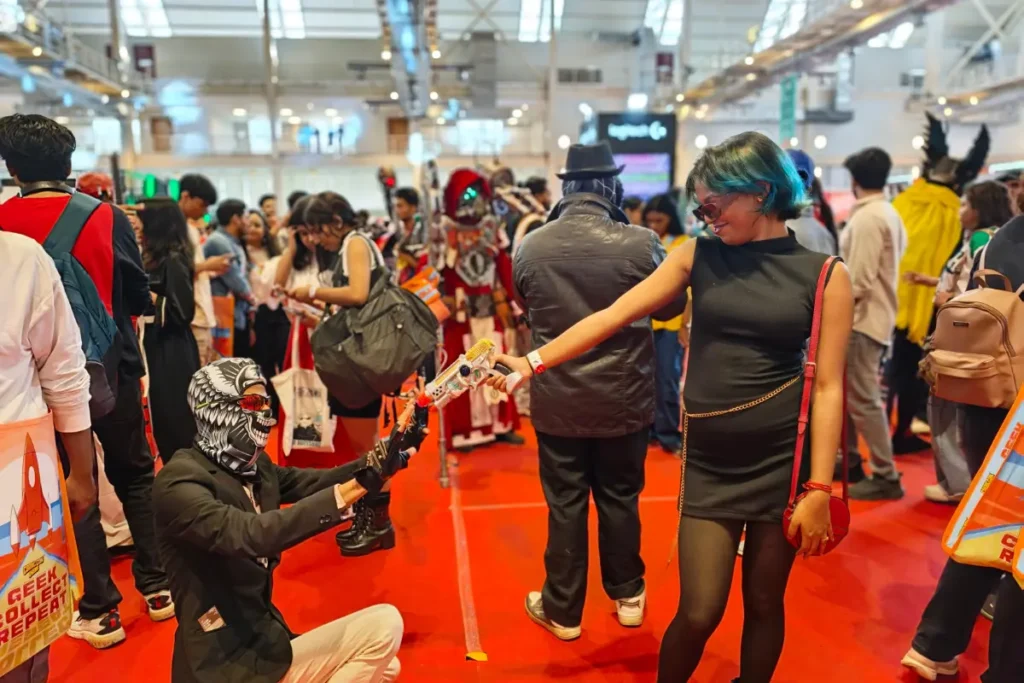
People weren’t just attending for spectacle.
They were arriving with context.
They knew what they liked. They knew what they were looking for. And more importantly, they knew they belonged there.
That shift, from curiosity to confidence, is what defines a growing culture.
High Stakes and Hand-Crafted Armor: The Cosplay Scene
Cosplay at Comic Con did not sit quietly on the sidelines.
It dominated space.
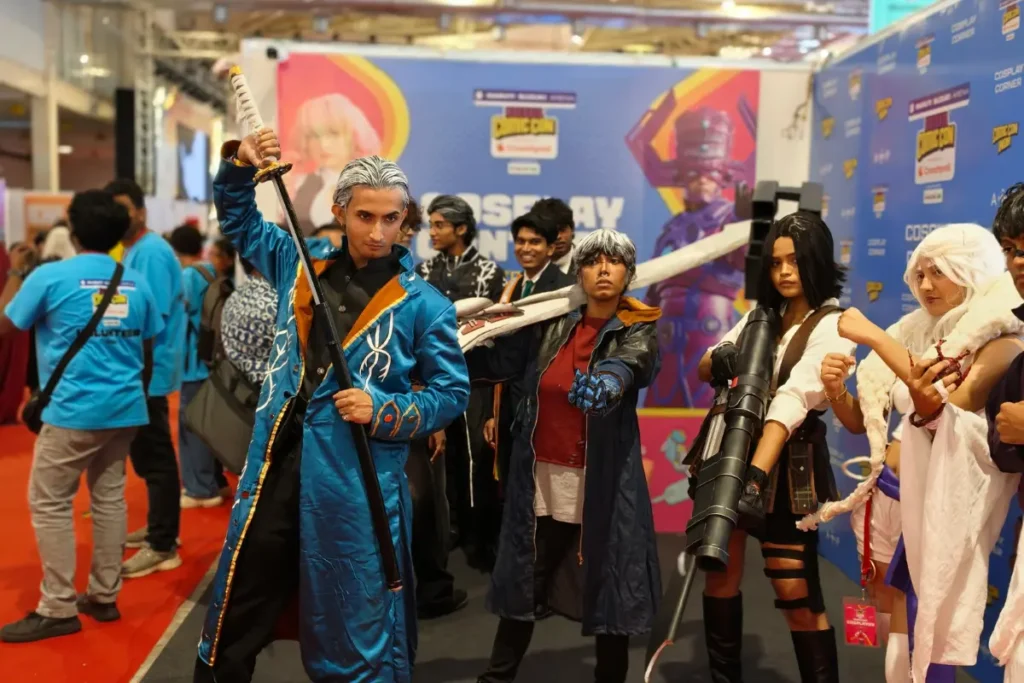
Armor extended beyond the body. Weapons required distance. Movement was calculated, not casual. These were not outfits designed for photographs alone.
They were built to withstand attention.
The World Cosplay Summit: India Qualifiers
At the center of it all was pressure.
The World Cosplay Summit qualifiers brought a different kind of energy to the convention floor, one that was less about participation and more about precision.
This was not casual cosplay.
This was competition.
Every detail carried weight. Fabric choice. Prop accuracy. Movement on stage. Timing. Expression. The performance was not just visual; it was judged.
And that changes everything.
Backstage tension was visible even from a distance. Final adjustments were made in silence. Armor was secured. Wigs were corrected. Props were checked and rechecked. What looked effortless on stage had already gone through hours, sometimes months, of refinement.
When participants stepped into the spotlight, they weren’t just representing characters.
They were representing process.
And in those few minutes on stage, Comic Con shifted again.
From spectacle…
To evaluation.
Elite Craftsmanship on the Floor
But the competition was only one part of the story.
Because even away from the stage, the level of craftsmanship across the floor remained consistently high.
Through Ruru’s interviews, one thing became clear:
These weren’t casual builds.
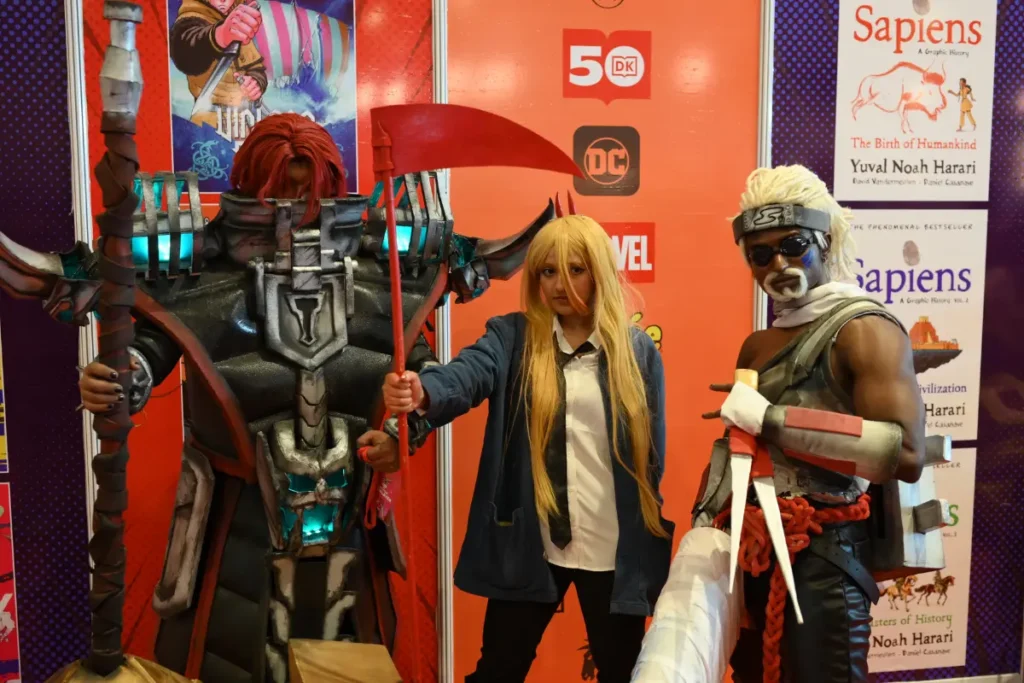
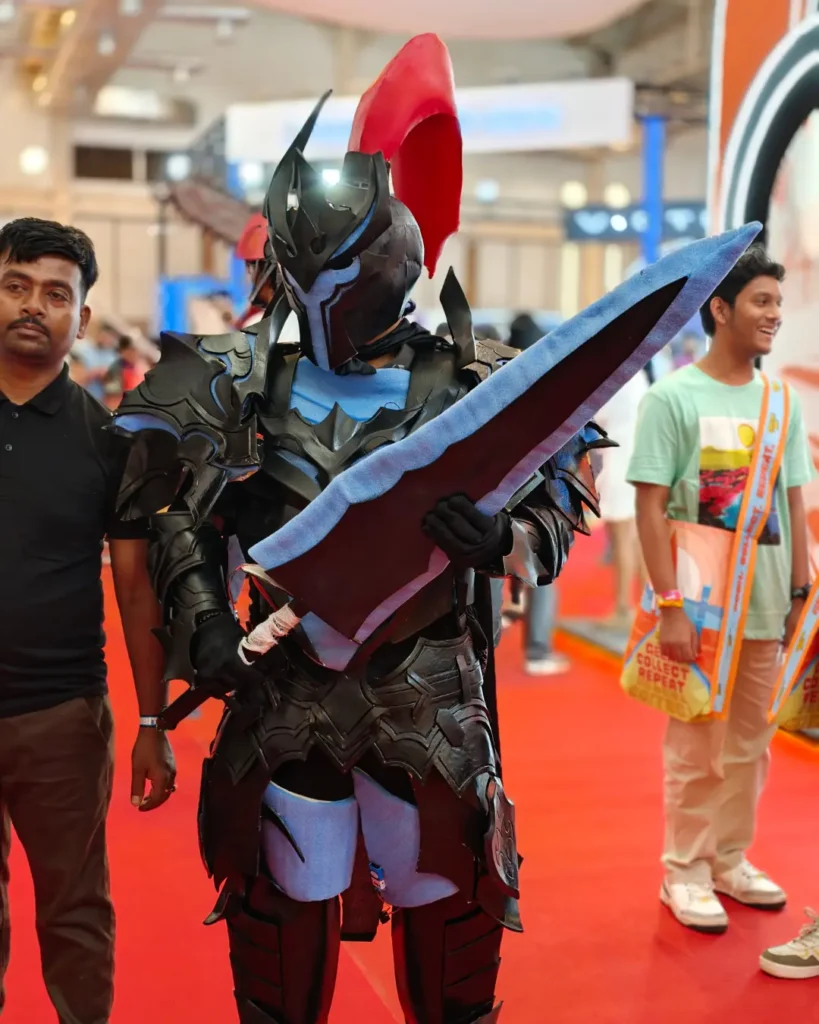
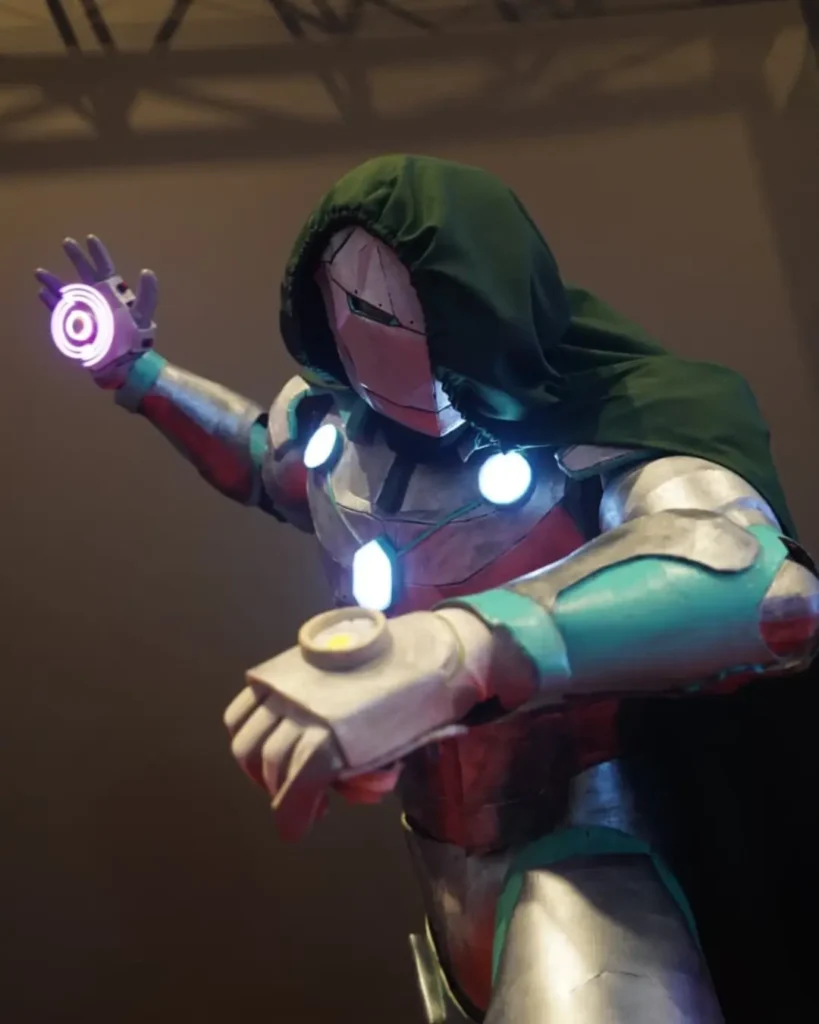
Foam armor shaped and layered with precision.
3D-printed components sanded, painted, and assembled into fully articulated pieces.
LED wiring embedded into props and costumes, adding light not as decoration, but as design.
And behind all of it, time.
Weeks. Sometimes months.
What stood out wasn’t just the scale of these builds.
It was the intent.
Cosplayers spoke about sourcing materials, about failed attempts, about rebuilding sections from scratch. They spoke about accuracy not as obligation, but as respect, for the character, for the source, for the craft itself.
And in between those technical conversations, there was something quieter:
Pride.
Not loud. Not performative.
Just present.
Comic Con may amplify visibility.
But craftsmanship remains personal.
And across the floor, it was clear:
This was no longer a hobby practiced occasionally.
It was an art form being taken seriously.
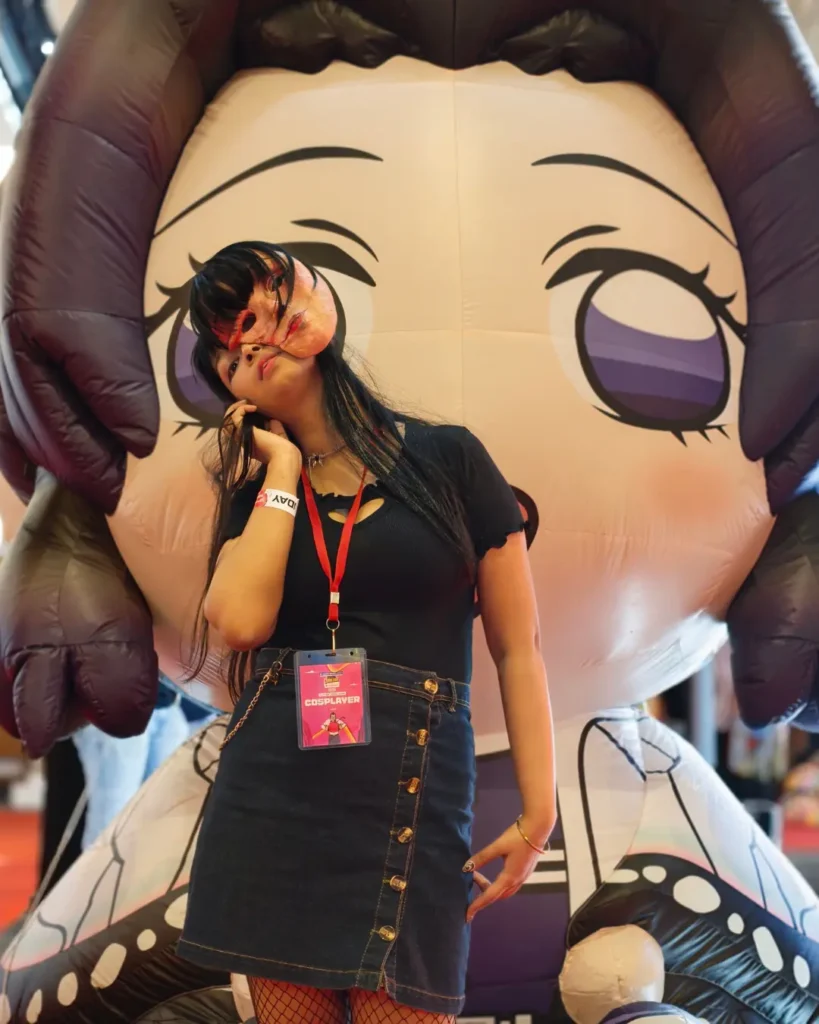
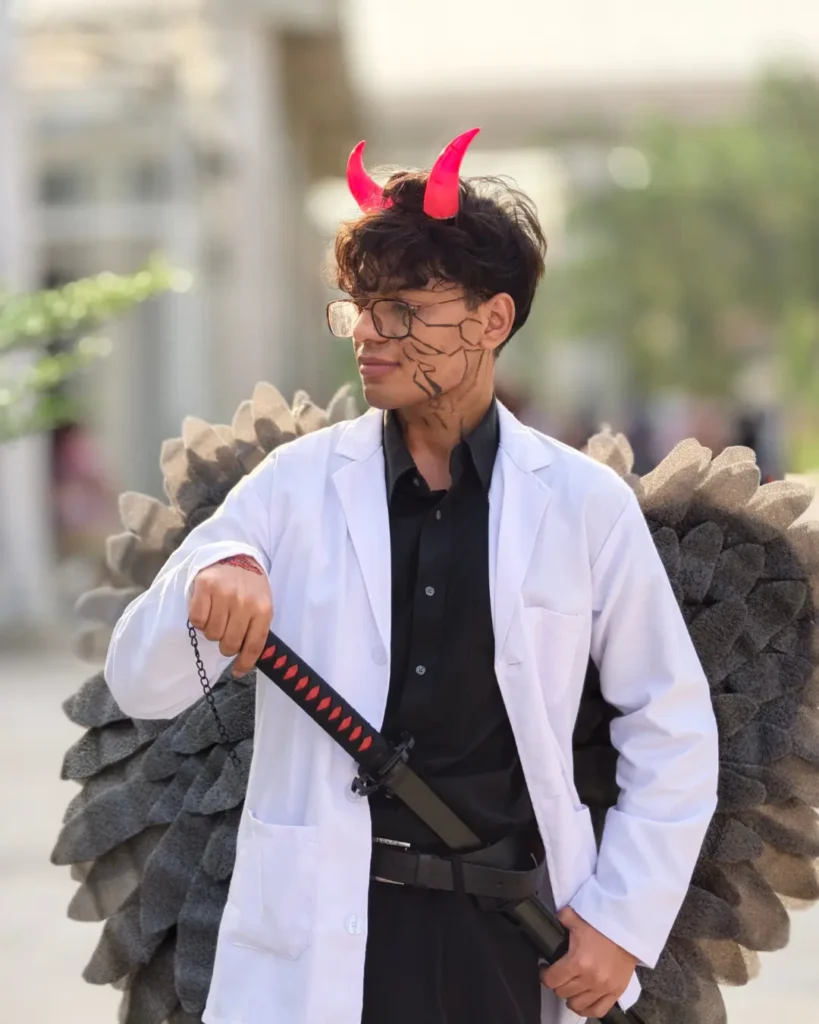
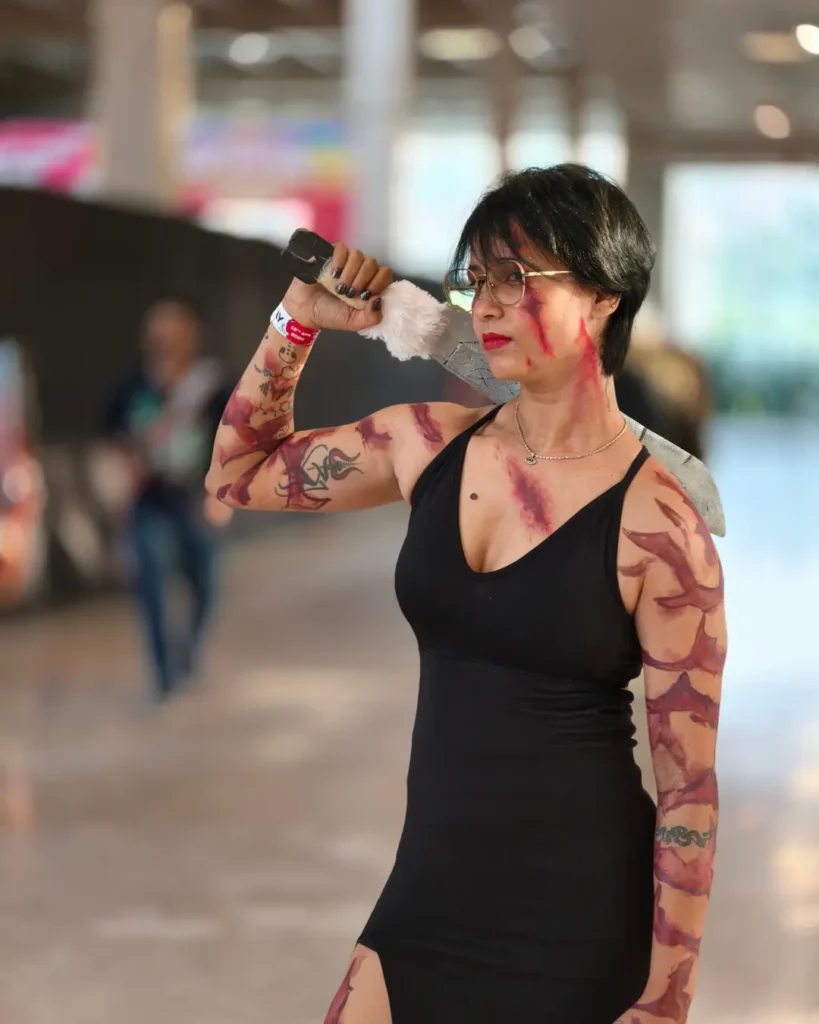
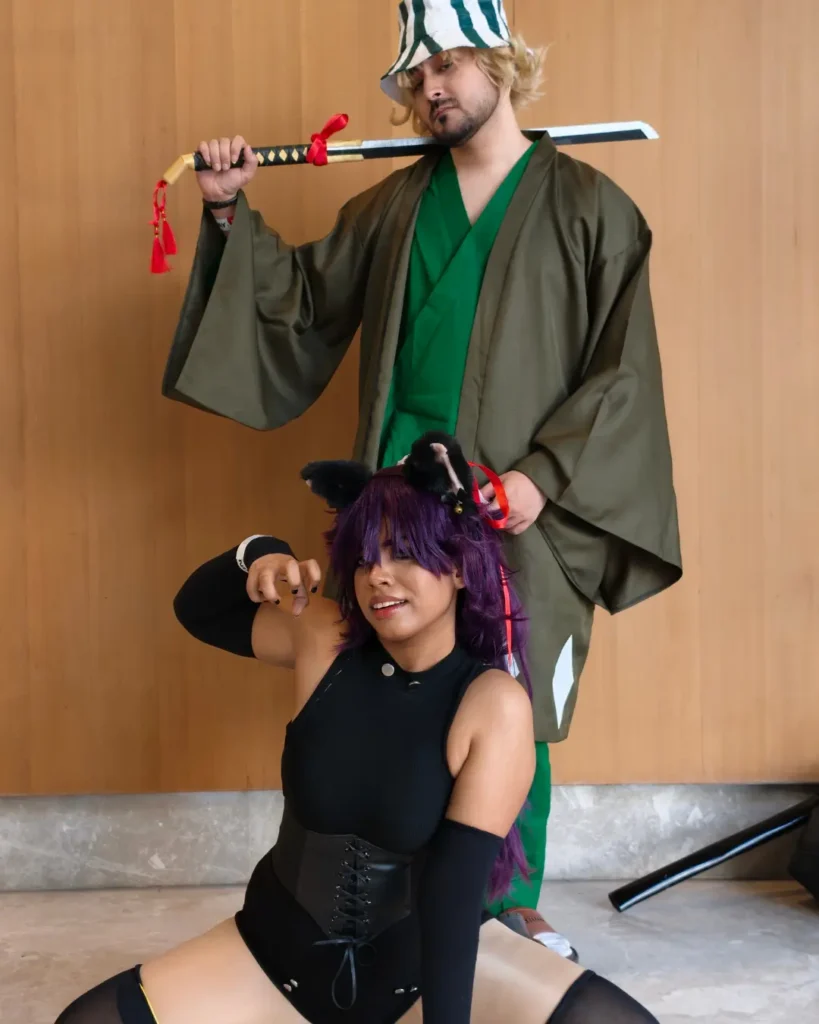
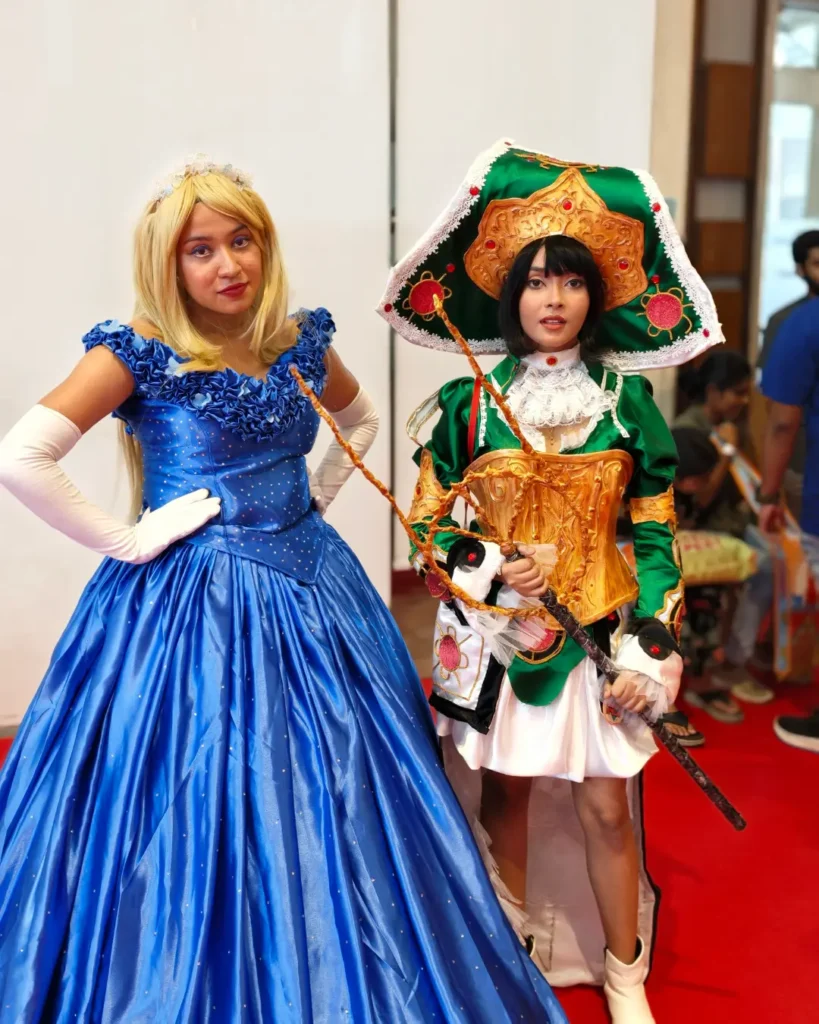
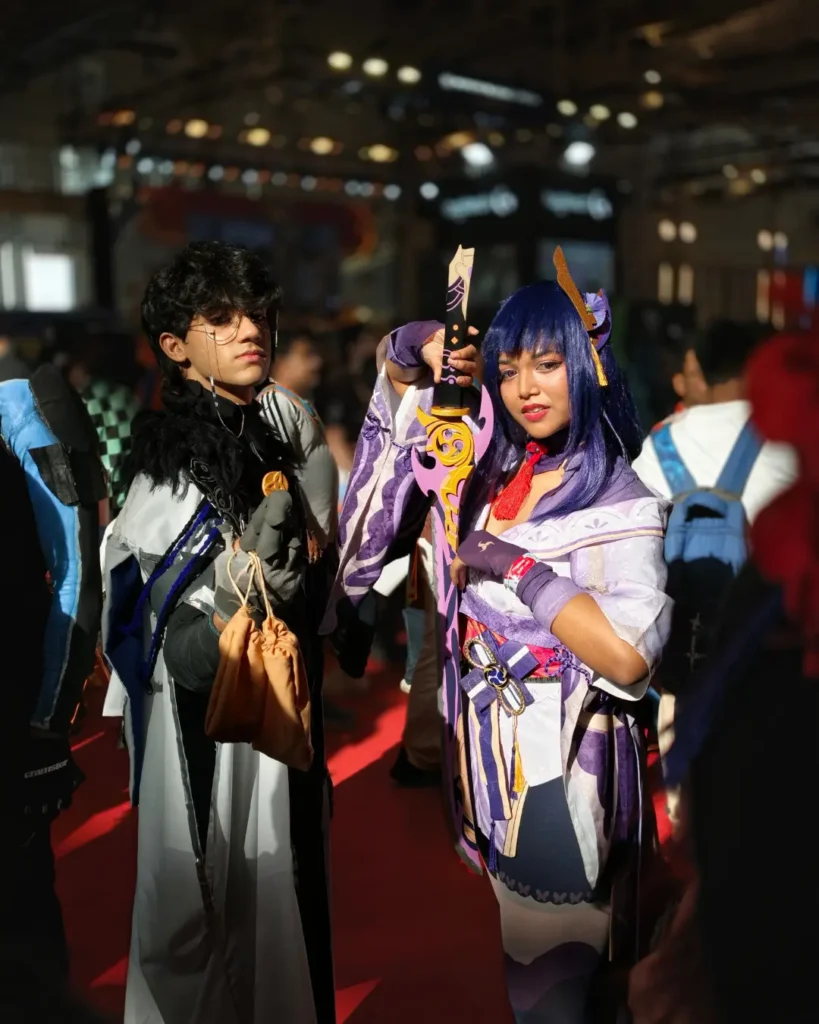
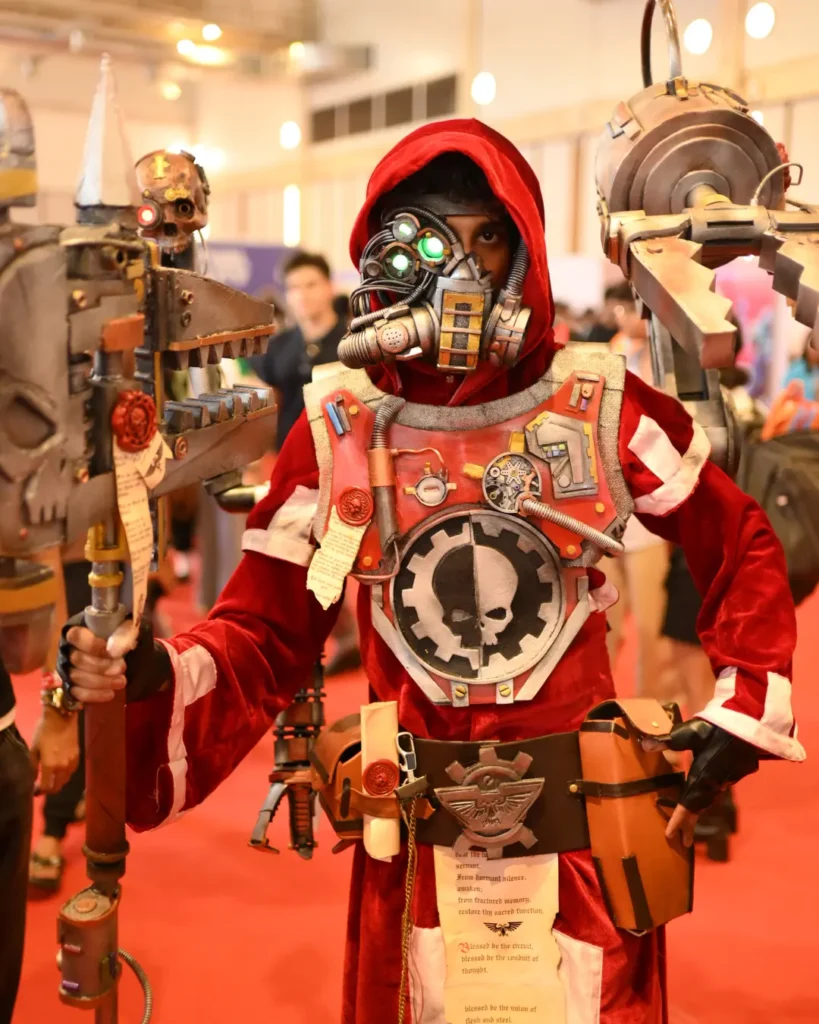
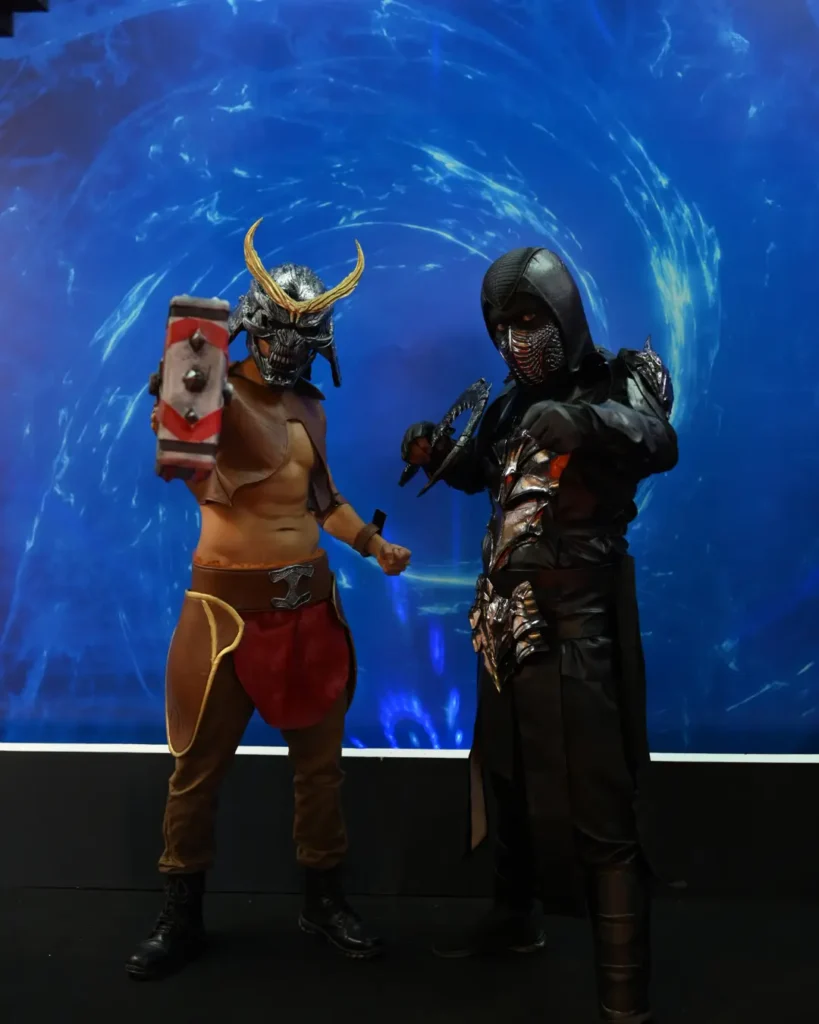
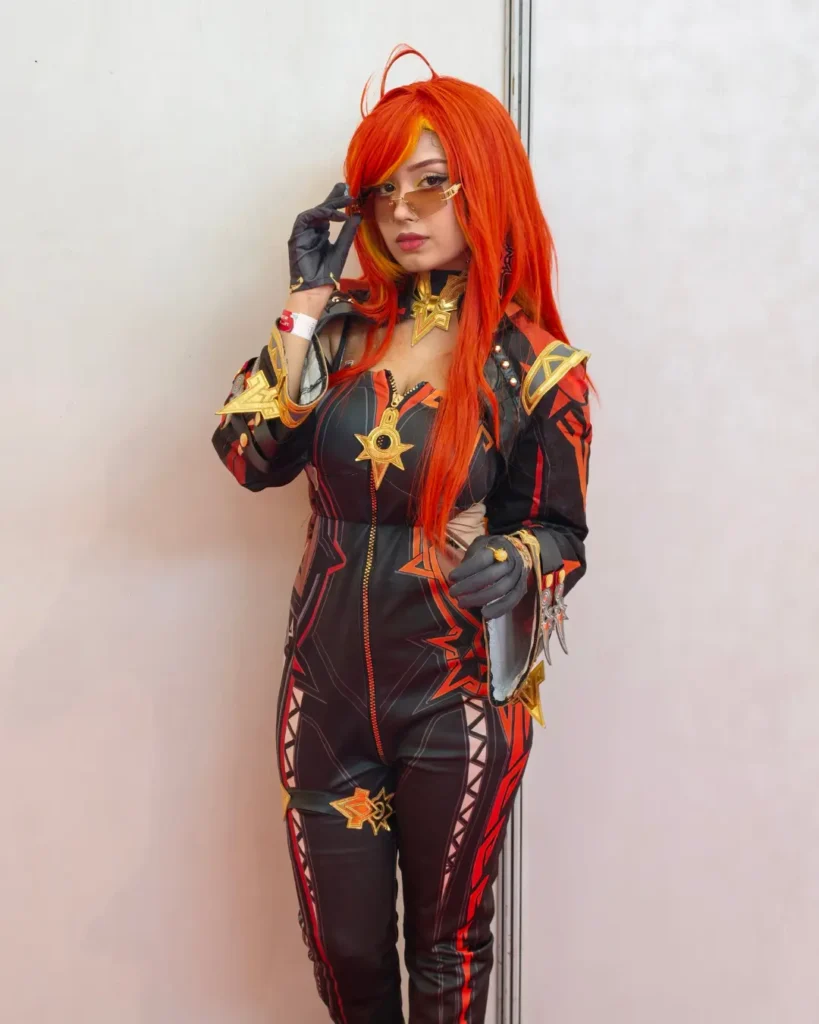
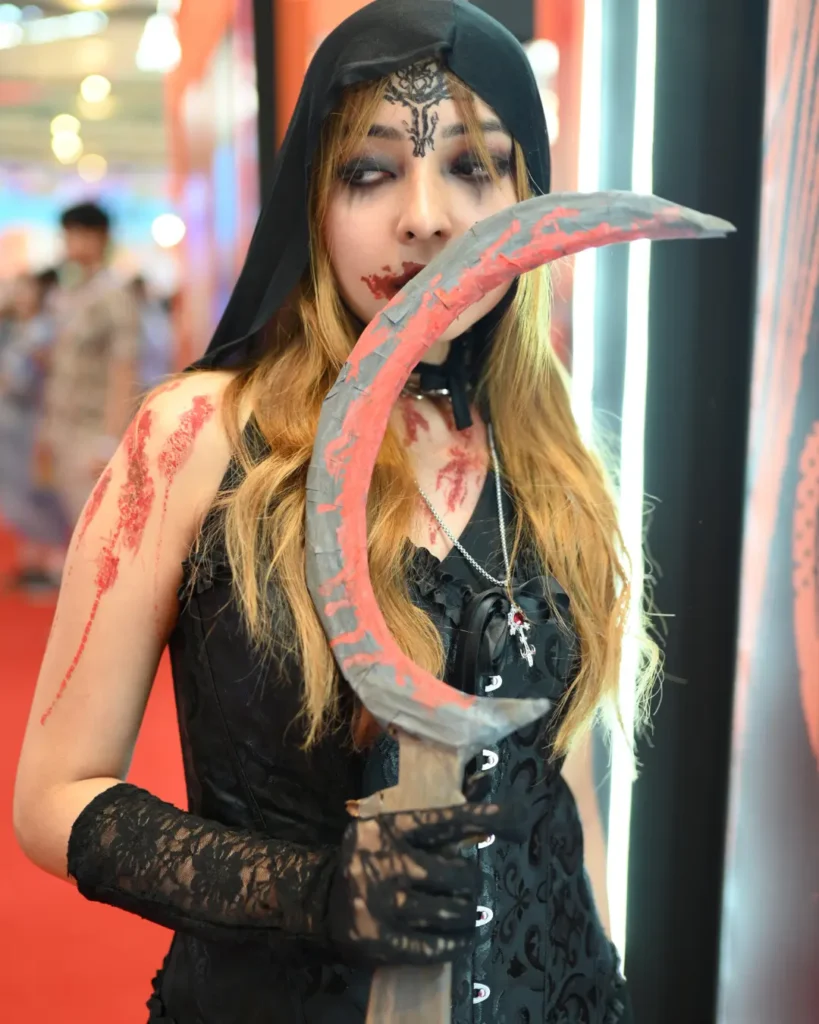
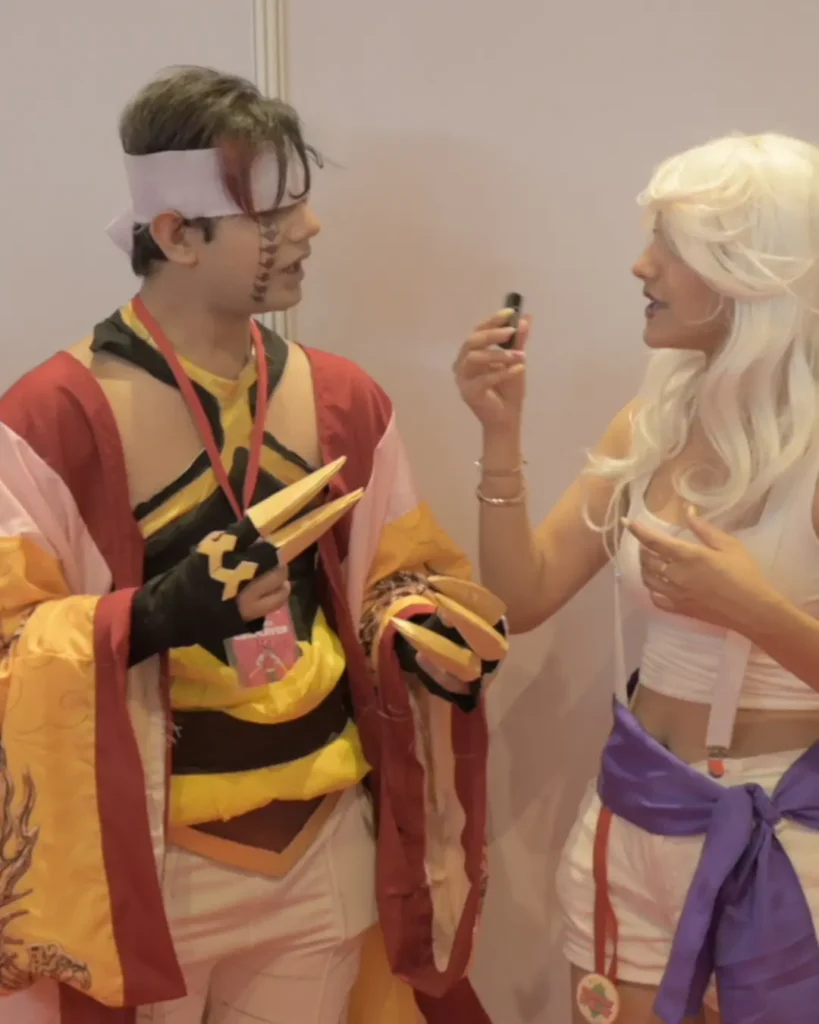
Honorable Mentions: The Floor We Couldn’t Fully Contain
Not everything could be documented in detail.
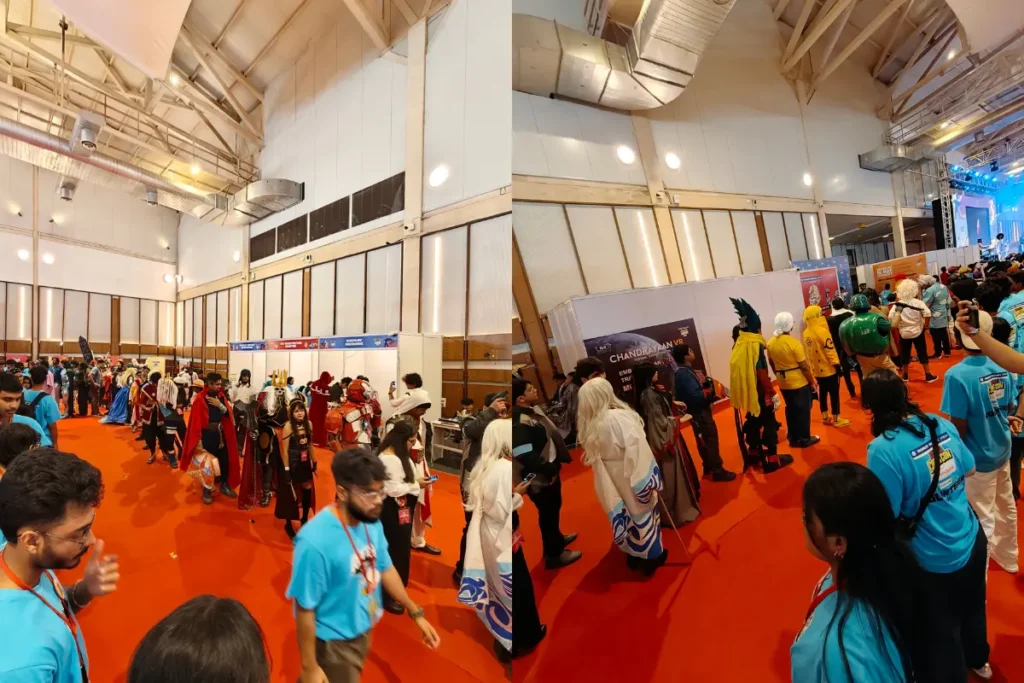
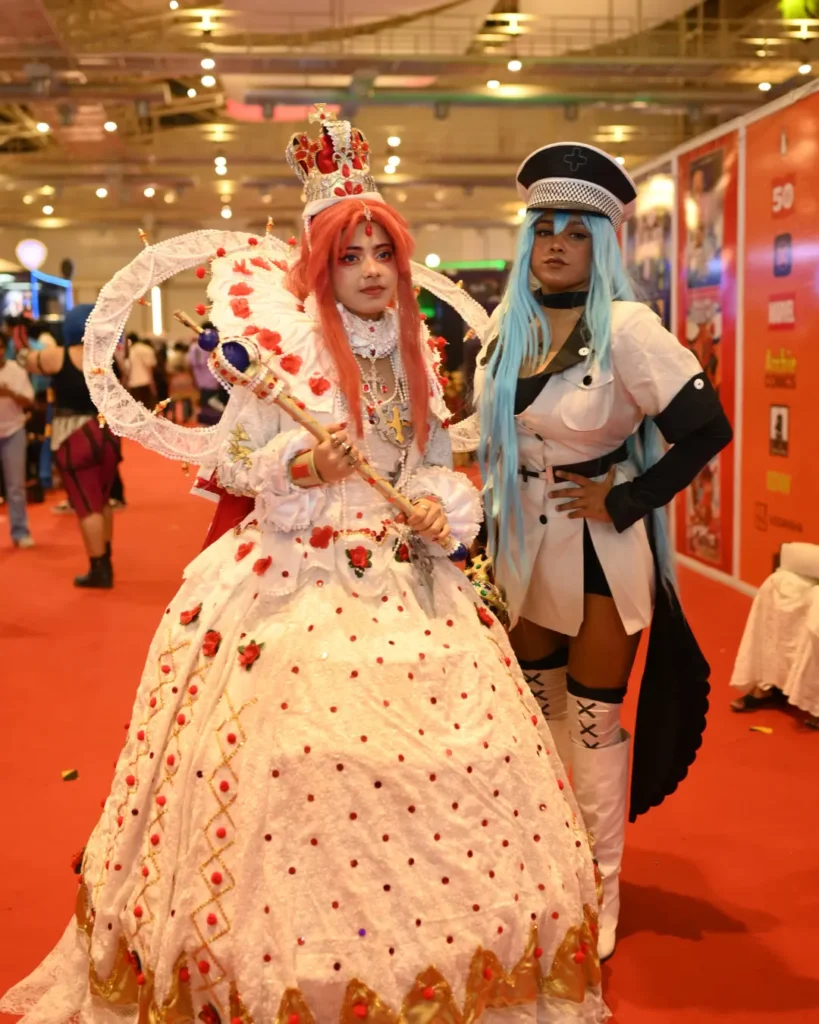
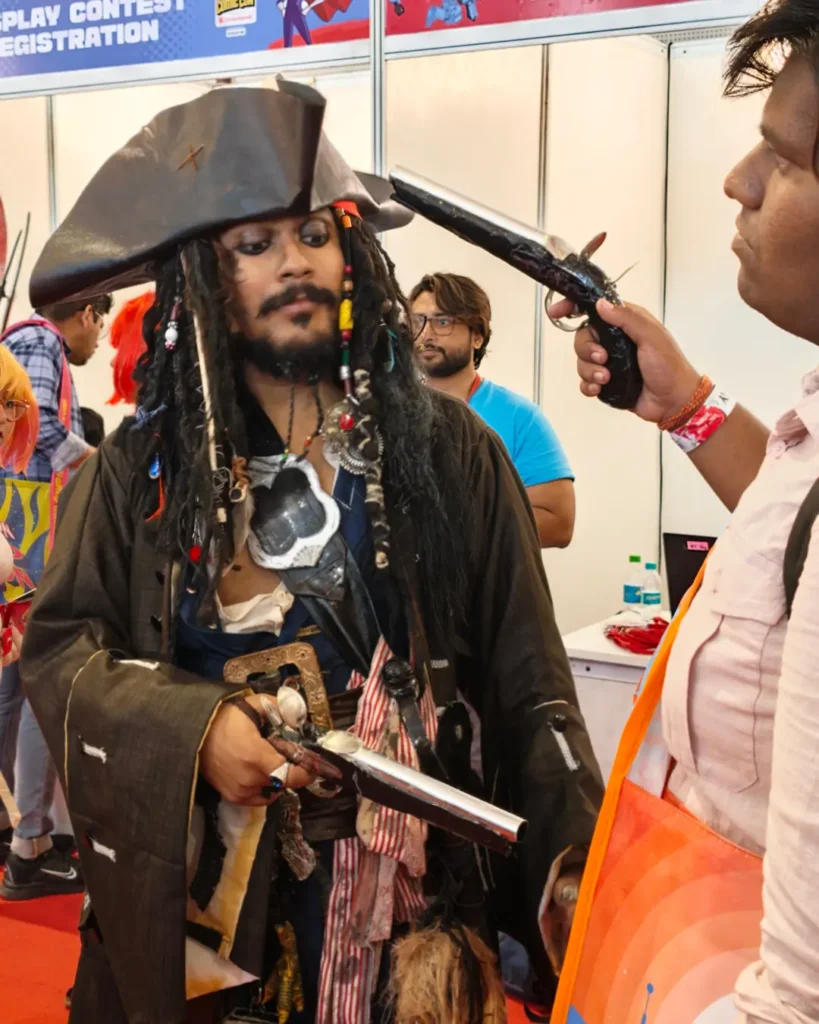
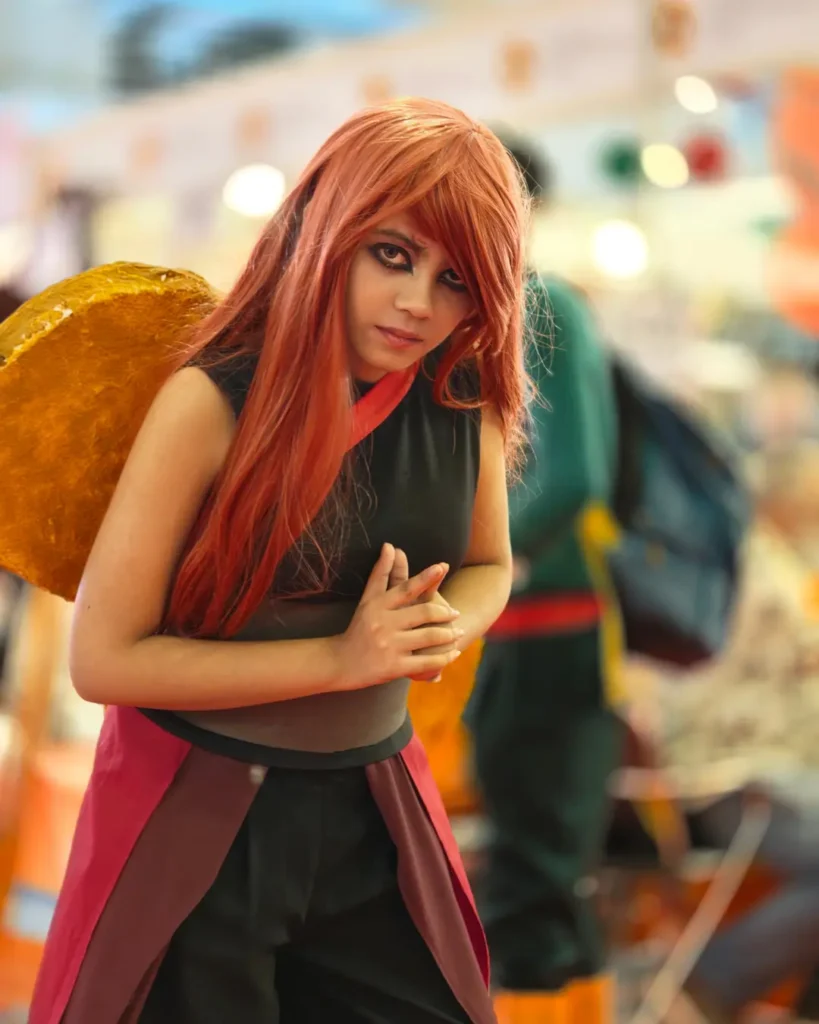
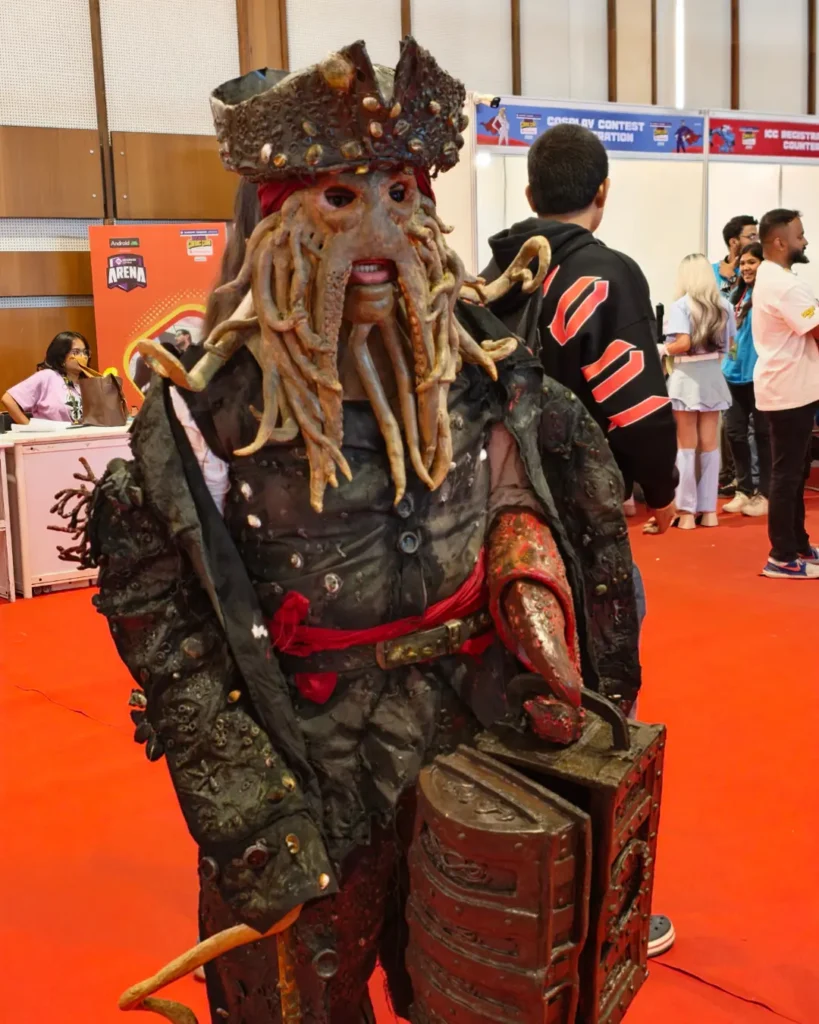
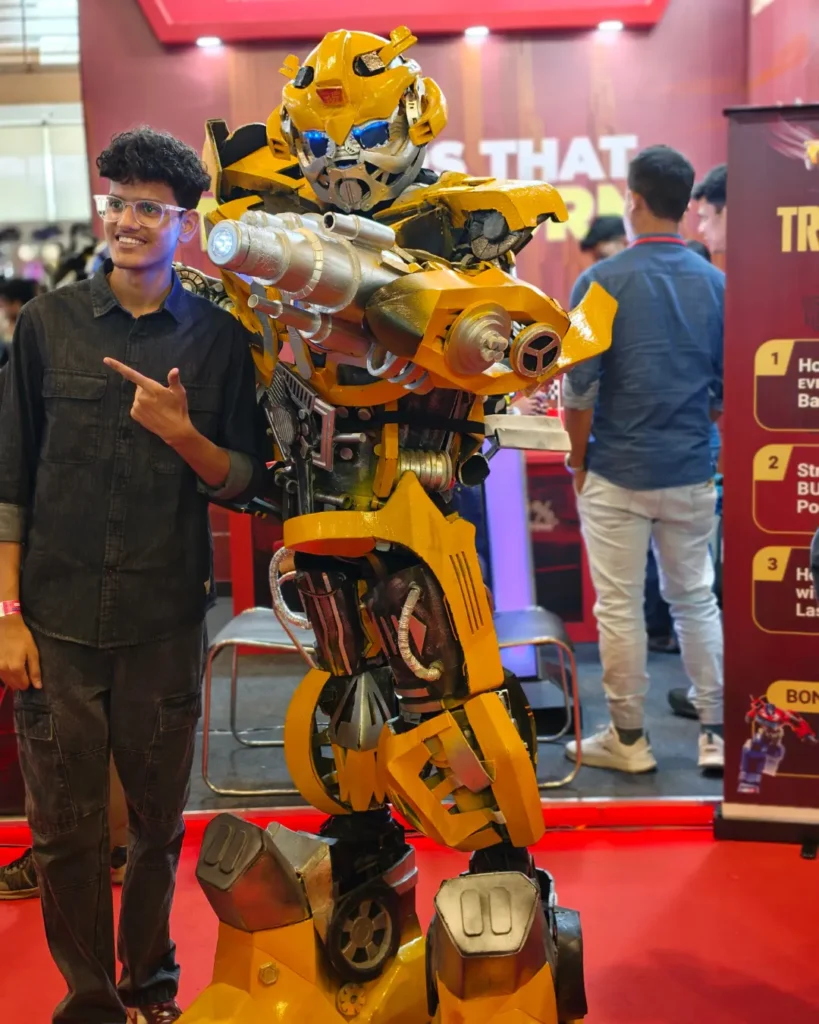
Across two days, the floor moved faster than any single lens could follow, characters passing in fragments, builds too intricate to capture in a single frame, moments that existed briefly and then disappeared into the crowd.
What we’ve shown so far is only a selection.
What follows is the overflow.
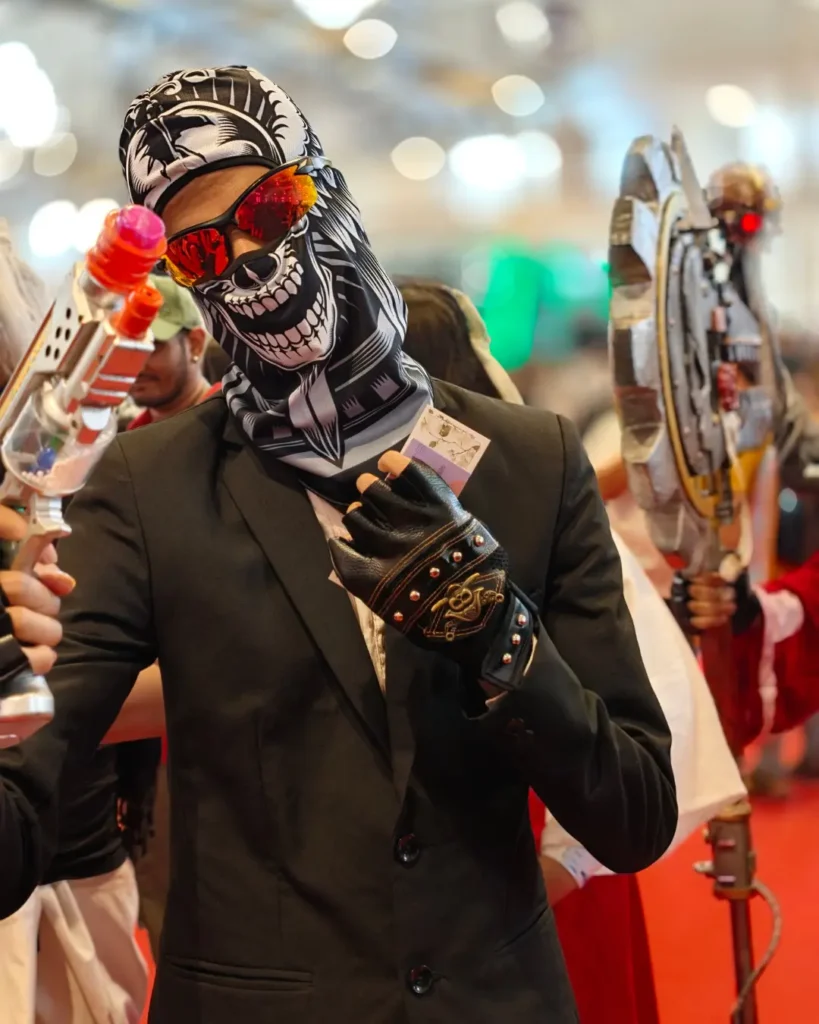
Armor that demanded space.
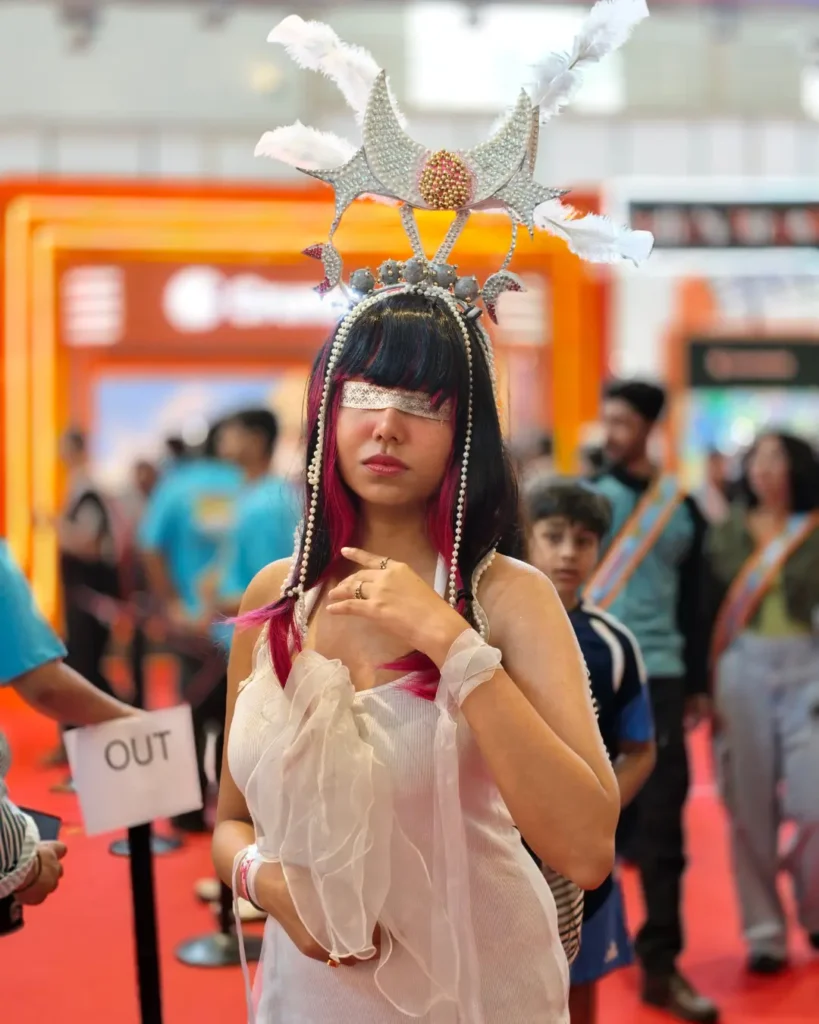
Silhouettes that turned heads mid-walk.
Group cosplays that carried choreography into the crowd.
And countless interpretations that didn’t need a stage to stand out.
These are not afterthoughts.
They are part of the same story.
The IAN Verdict: Pop Culture Is a Lifestyle
There was a time when events like this felt occasional.
A weekend escape.
A niche gathering.
A temporary overlap of people who shared the same interests.
Comic Con Kolkata 2026 did not feel temporary.
It felt continuous.
The scale was larger.
The voices are more confident.
The craftsmanship is more deliberate.
The conversations are more informed.
People were not arriving to discover fandom.
They were arriving already inside it.
And that distinction matters.
Because it signals a shift from curiosity to identity.
Anime, manga, comics, and gaming- these are no longer isolated interests competing for attention. They are intersecting, overlapping, forming something more cohesive. A shared language that moves between screens, pages, stages, and real-world spaces without friction.
What we witnessed over two days was not just enthusiasm.
It was structured.
Creators building.
Fans responding.
Communities expanding.
Not as fragments.
But as a system.
Pop culture in India is no longer emerging.
It is organizing.
And once something begins to organize, it stops being a trend.
It becomes a lifestyle.
Where to Watch the Madness
What you’ve seen here is only a fraction.
Over two days, we recorded more than 100+ interviews with creators, cosplayers, performers, and the audience that gives all of this meaning. Conversations that were unscripted, fast, and often unexpectedly honest.
Those moments don’t live fully in text.
They move.
They react.
They unfold.
The full interviews, extended cuts, behind-the-scenes moments, and highlight reels, shaped and edited by the IAN team, will be rolling out across Indian Anime Network platforms.
This is where the convention continues.
Not as memory.
But as motion.