Clothing as Silence

How Anime Uses Repetition, Restraint, and Refusal to Protect Interior Life
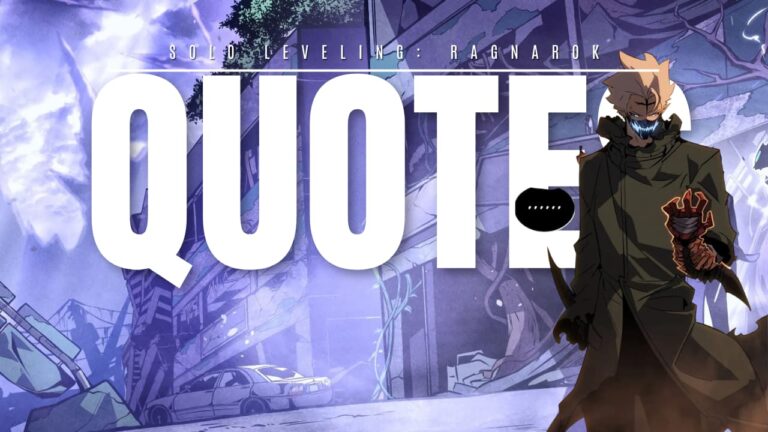
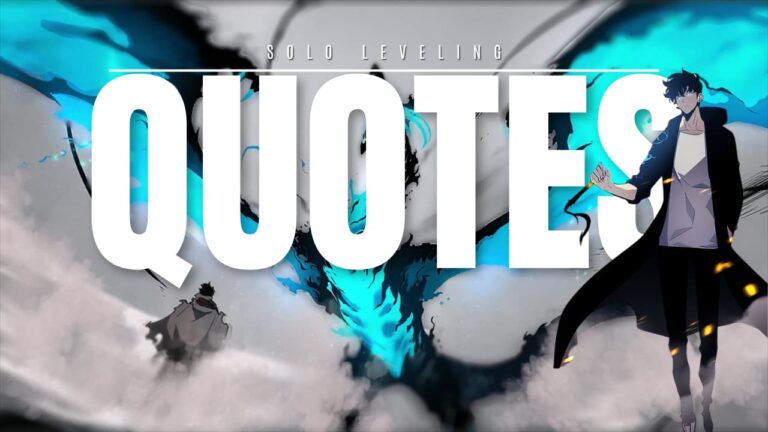
There are anime characters whose clothes never change.
Episode after episode, they arrive wearing the same jacket, the same uniform, the same muted palette. Time passes. Events escalate. Relationships fracture or deepen. Seasons turn. The world rearranges itself. And still—the clothes remain.
At first glance, this constancy feels unremarkable. Practical, even. Animation economics. Design efficiency. A recognizable silhouette that helps the viewer track a character across frames. These are the explanations we offer when we don’t yet trust what we’re seeing.
But the longer you sit with it, the harder it becomes to accept those reasons as sufficient. Because repetition, when sustained with such precision, begins to feel intentional. Charged. Almost ethical.
Anime, more than most visual forms, understands that clothing does not always exist to speak. Sometimes, it exists to withhold.
This essay is about that withholding—about clothing as silence, and why anime returns to it again and again.
The Refusal to Explain
In much of contemporary culture, clothing is expected to perform. It signals mood, growth, rebellion, and aspiration. Characters change outfits to mark emotional arcs. Transformation is made visible through fabric.
Anime often resists this logic.
The refusal to change clothing is not a failure of imagination; it is a refusal to translate inner life into spectacle. The character’s emotions may shift violently, quietly, or not at all—but their clothing does not rush to explain this to us.
There is something almost stubborn in that restraint.
The uniform becomes a boundary. A way of saying: what is happening inside me does not need your immediate access. The repetition of the outfit turns the viewer’s attention elsewhere—to posture, to silence, to the smallest variations in movement. Meaning migrates away from decoration and toward presence.
When clothes stop speaking, the body must.
Emotional Containment
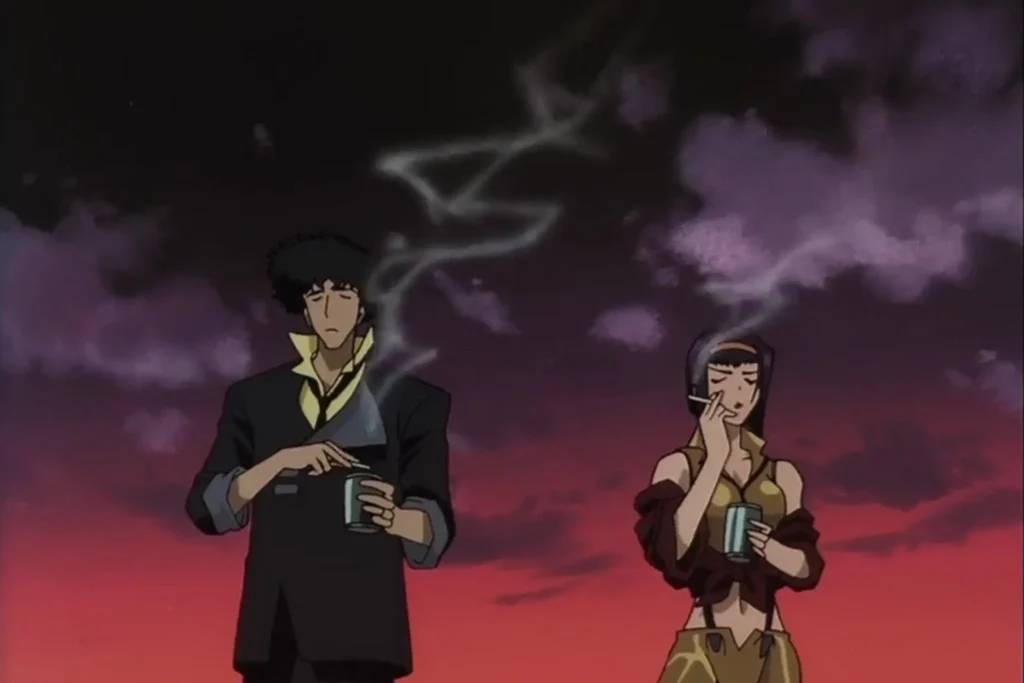
Repeated clothing creates containment. Not repression—containment.
In anime, characters often exist under emotional pressure: responsibility, grief, expectation, and memory. To dress loudly in such a state would feel dishonest. Excess would fracture the tone. So the clothes absorb nothing. They hold no drama. They remain neutral so that the character can survive their own interior weather.
This is not about minimalism as an aesthetic preference. It is about emotional discipline.
The unchanged outfit becomes a vessel that does not leak. It allows intensity to stay internal. The character is not asking to be read easily. They are asking to be watched carefully.
In this sense, clothing functions almost like a vow of silence. A commitment to restraint that mirrors the character’s psychological posture toward the world.
The Ethics of Not Signaling
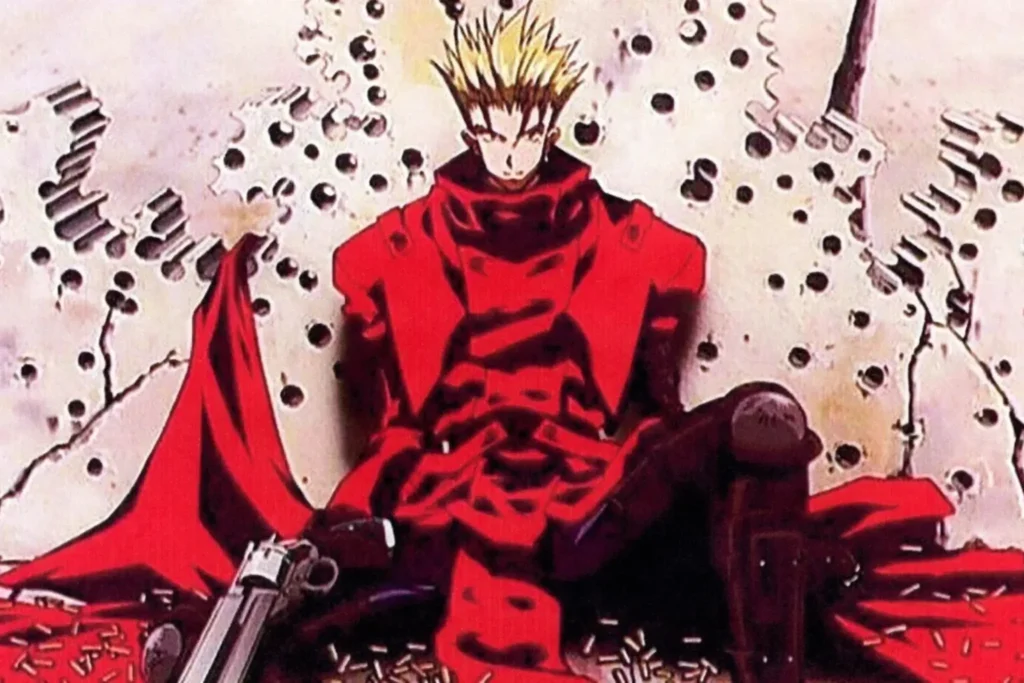
There is an ethical dimension here—one that anime returns to with quiet consistency.
To signal too much is to demand attention. To change clothing constantly is to invite interpretation, commentary, judgment. The stable outfit refuses that invitation. It keeps the character from becoming a performance.
This matters in stories where vulnerability is fragile.
Anime understands that not every emotional state should be made legible. Some experiences—trauma, guilt, longing—lose their integrity when externalized too quickly. Silence protects them. So does sameness.
By keeping clothing unchanged, anime creates a visual promise: we will not reduce this character to symbols you already know how to read.
The viewer is asked to earn understanding through patience.
Repetition as Character
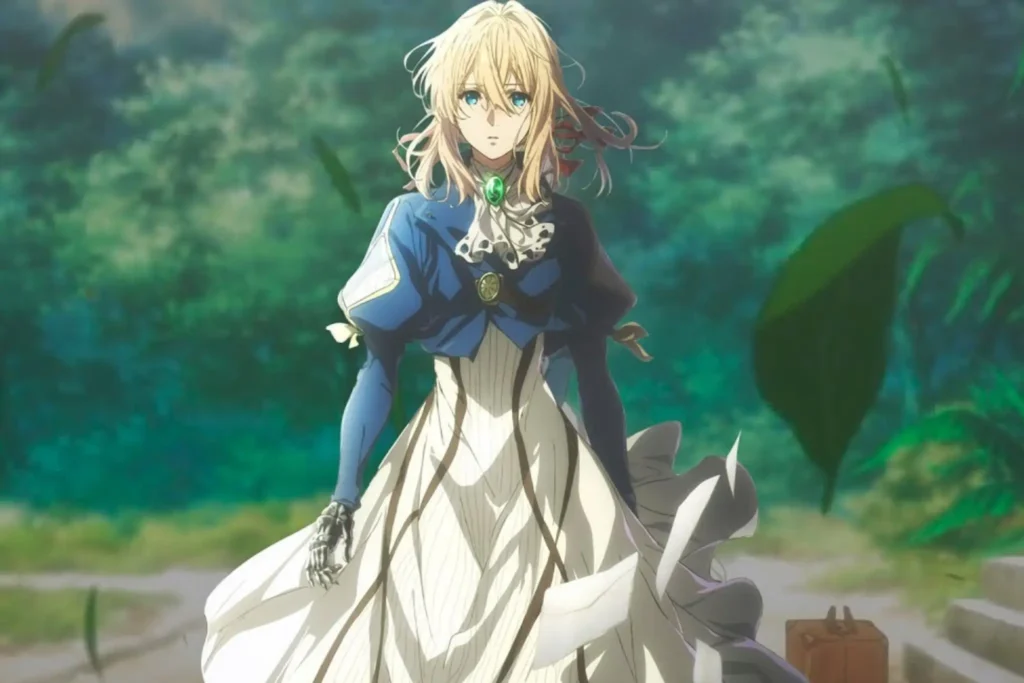
Over time, the repeated outfit stops being an absence of choice and becomes a character trait in itself.
The jacket that never leaves.
The uniform worn even when unnecessary.
The palette that refuses brightness even when the world around it shifts.
These are not neutral decisions. They express something precise: continuity of self.
When everything else is unstable—relationships, environments, moral certainties—the clothing becomes the only stable surface. It is not expressive, but it is faithful.
Anime often grants its characters very little control. Over fate. Over history. Over how they are seen. Clothing, in its refusal to change, becomes one of the few things they can hold steady.
Not to stand out—but to remain intact.
Against Transformation Narratives
Western storytelling often celebrates visible transformation. Growth must be seen. Change must look like change.
Anime is more suspicious.
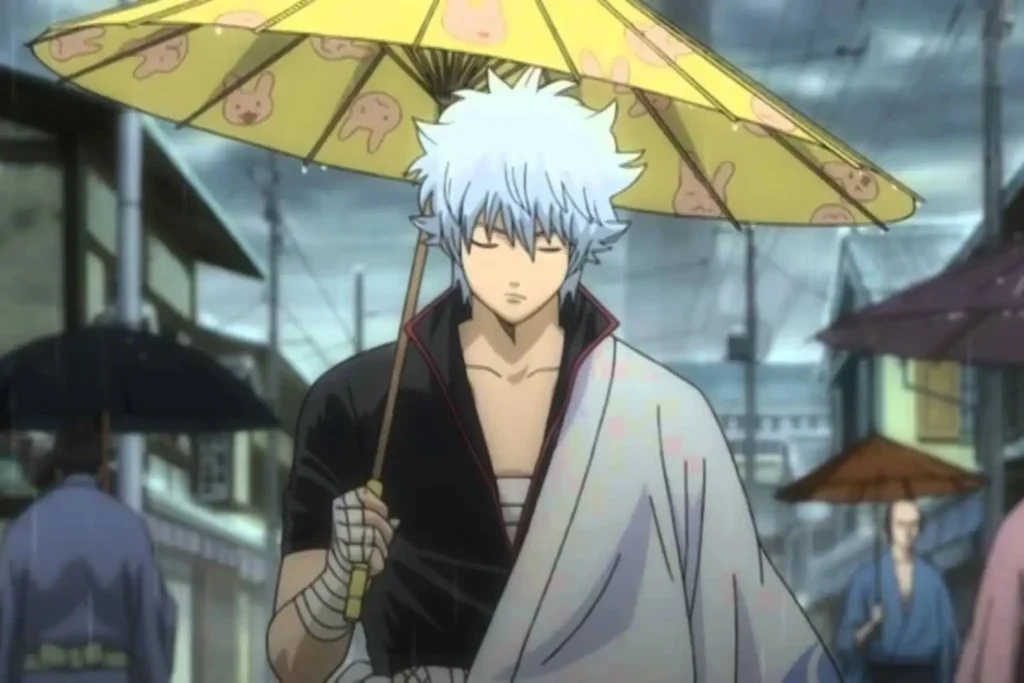
Many of its most resonant characters do not “evolve” in ways that can be captured through costume. Their changes are inward, recursive, sometimes invisible. To dress them differently would suggest a clarity that does not exist.
So the clothing stays the same, not because nothing has changed, but because everything has—in ways that resist simple representation.
This is a refusal of tidy arcs.
The unchanged outfit tells us: growth is not always legible. Healing does not always announce itself. Identity is not a montage.
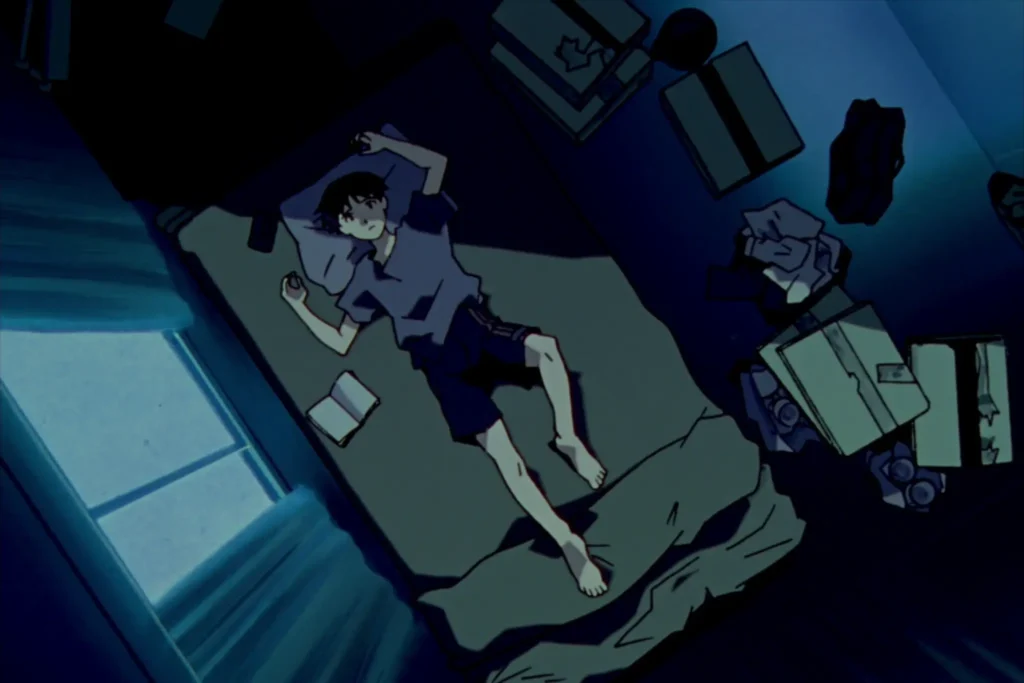
The Comfort of Familiar Surfaces
There is also comfort in repetition—both for the character and the viewer.
The familiar silhouette becomes an anchor. In narratives that move through uncertainty, violence, or psychological fragmentation, the repeated outfit offers continuity. It says: this person is still here.
Not reinvented. Not rebranded. Still present.
This matters more than we often admit.
In a world that constantly demands reinvention, anime offers a counter-image: the self that persists without updating its exterior. The self that does not need to look different to remain alive.
Clothing, here, is not a canvas for expression but a surface of return.
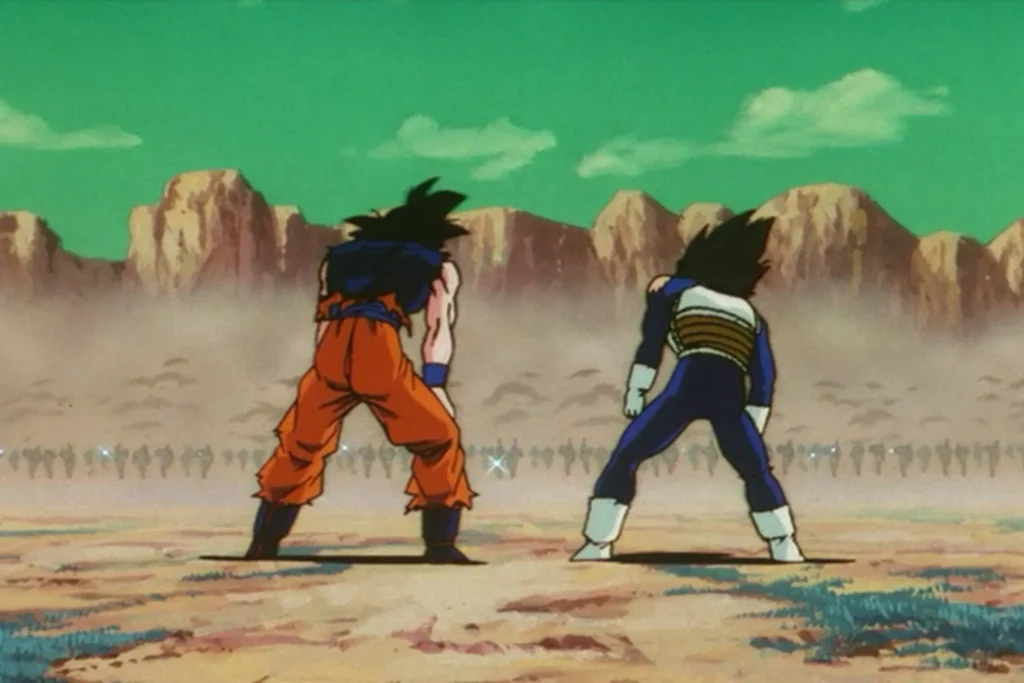
Silence as Trust
To keep clothing quiet is to trust the audience.
It assumes a viewer who is willing to look longer, to notice less obvious shifts. A viewer who understands that meaning does not always arrive dressed as change.
Anime makes this assumption repeatedly—and it is one of the reasons its emotional language feels so distinct. It does not rush to communicate. It waits.
The silence of clothing becomes a pact between creator and viewer: if you stay with this, it will open itself to you.
Not loudly. Not immediately. But honestly.
What We Learn From This
Clothing as silence teaches us something broader about how anime approaches identity.
It suggests that selfhood does not require constant articulation. That presence can be enough. That repetition can be a form of care.
In a culture saturated with signals, anime’s quiet wardrobes feel almost radical. They remind us that not everything meaningful needs to be displayed. Some things need to be protected.
The unchanged outfit is not empty.
It is full of what it refuses to say.
And in that refusal, it leaves space for the viewer, for interpretation, for a feeling that does not need to announce itself.
Sometimes, the most honest thing clothing can do
is to remain silent.